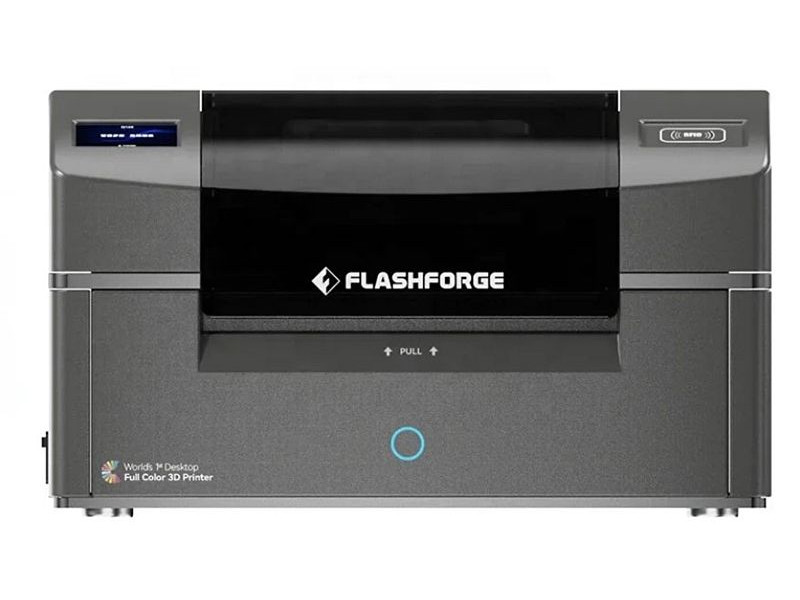
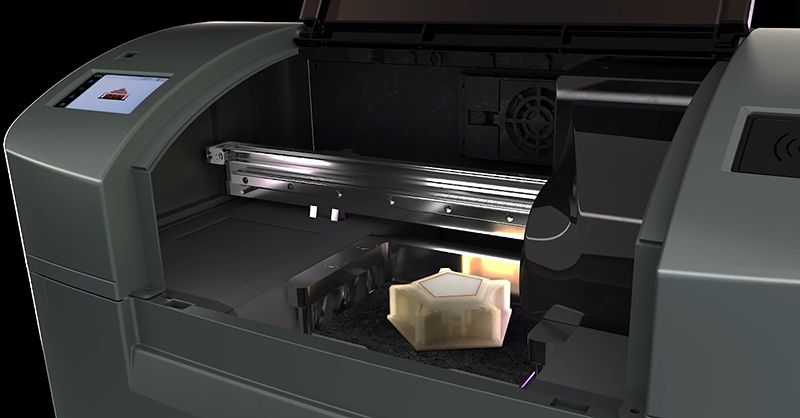
The Flashforge CJ270 3D printer uses material jetting technology to produce full-color prototypes with 7 printheads depositing CMYK, white, clear, and support materials simultaneously. The system generates over 10 million color combinations through automated ink mixing at 185 x 720 dpi resolution with 10 μm layer precision. Water-soluble supports dissolve completely in tap water within 10 hours, eliminating manual removal processes.
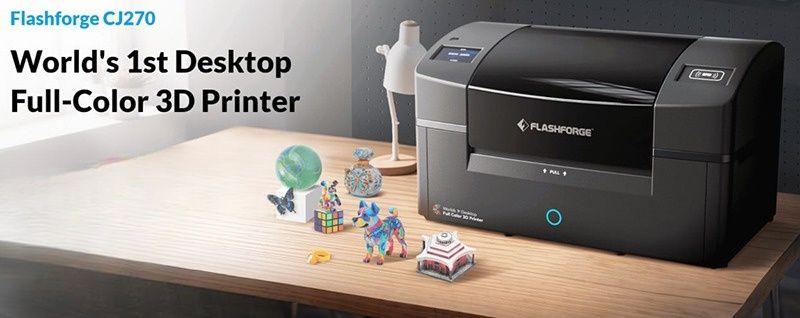
The CJ270 implements G7 color management standards with RFID-tagged material cartridges and automated color separation algorithms in proprietary slicing software. The 5-step workflow processes models through import, slicing, single-button printing initiation, automated material mixing, and water-based support removal without manual intervention.
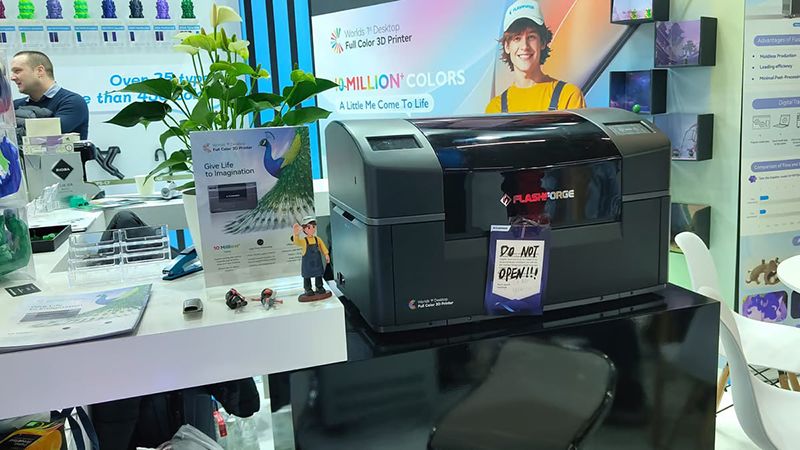
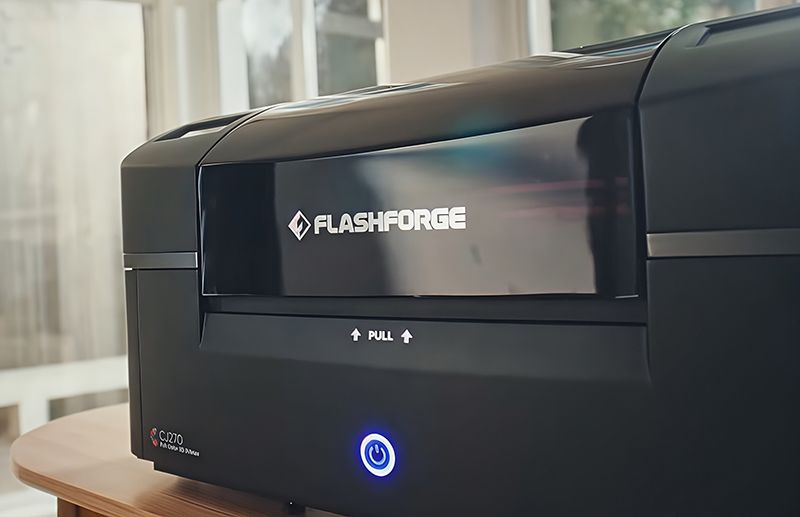
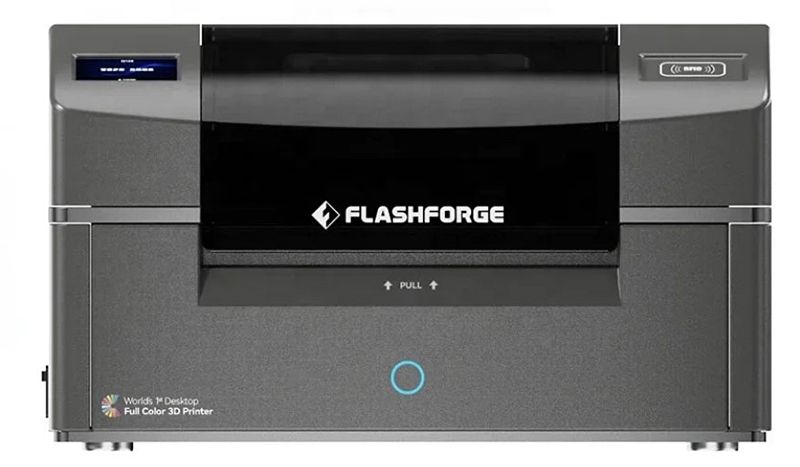
The system occupies 0.272 m² of desktop space, fitting standard office furniture load specifications. The fully enclosed design with activated carbon filtration removes volatile organic compounds during printing cycles, maintaining indoor air quality compliance for occupied spaces. This enables deployment in professional offices, educational laboratories, and medical facilities without specialized ventilation requirements.
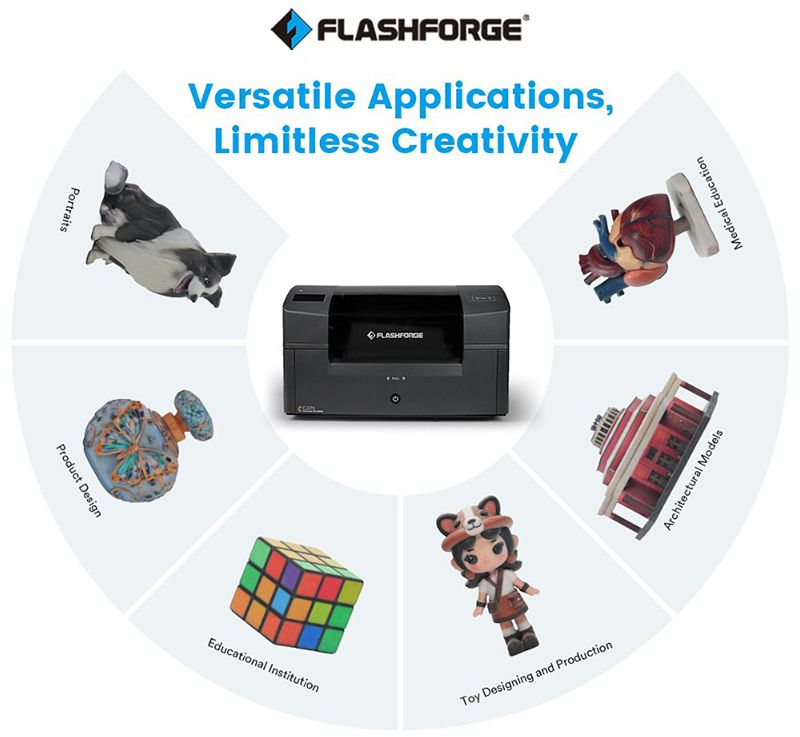
The Flashforge CJ270 prints at a native resolution of 185 x 720 dpi and a fixed layer thickness of 10 μm, producing precise geometric gradients and sharp textural details. For example, architectural prototypes exhibit consistent edge definition with minimal visible stepping, as reported by reviewers from 3D Printing By Kevin during hands-on assessment (2024).
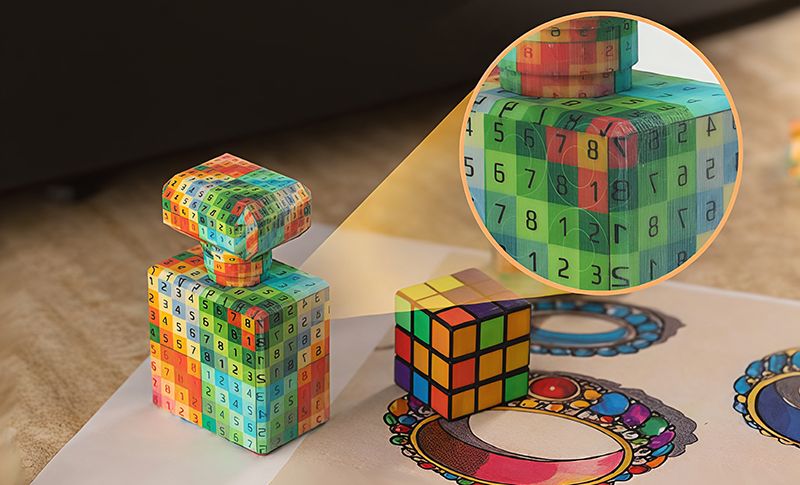
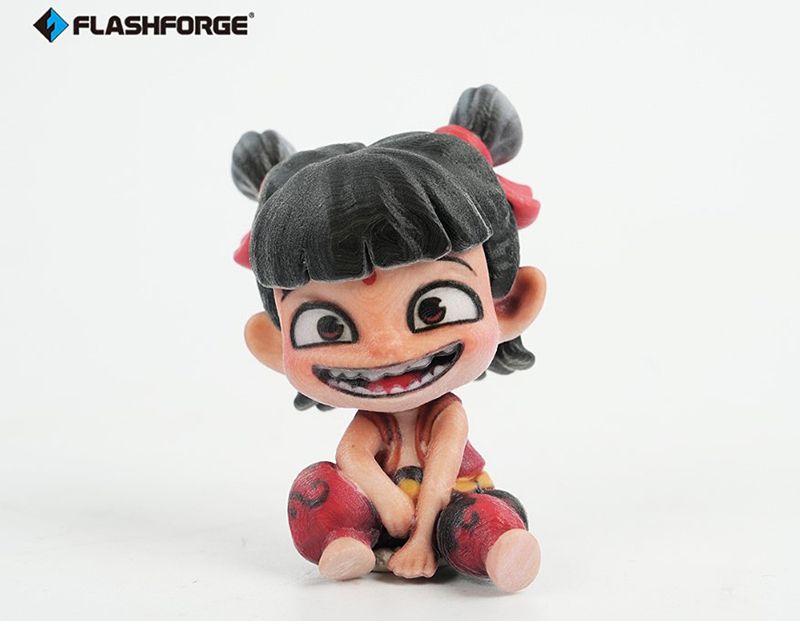
The printer utilizes seven printheads for synchronous jetting of CMYK, white, clear, and support materials, ensuring exact color placement and minimizing color bleed across adjacent areas. For instance, the machine reproduces realistic skin gradients and fur textures when producing full-color figurines, according to Flashforge demonstration data and third-party technical reviews.
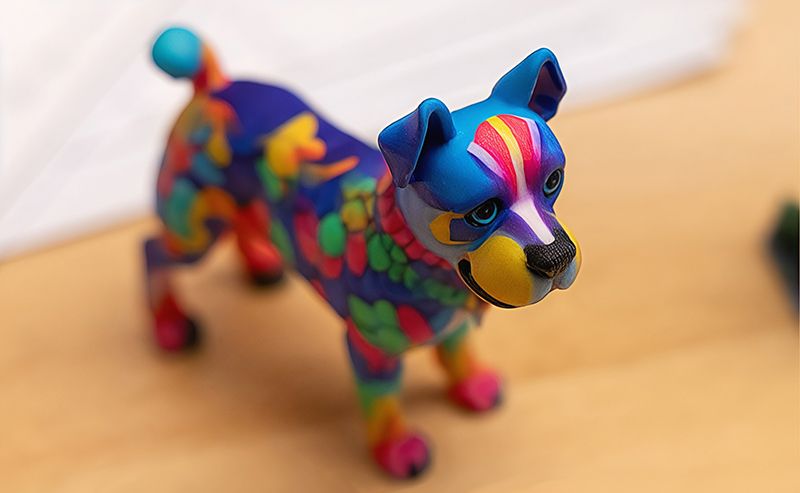
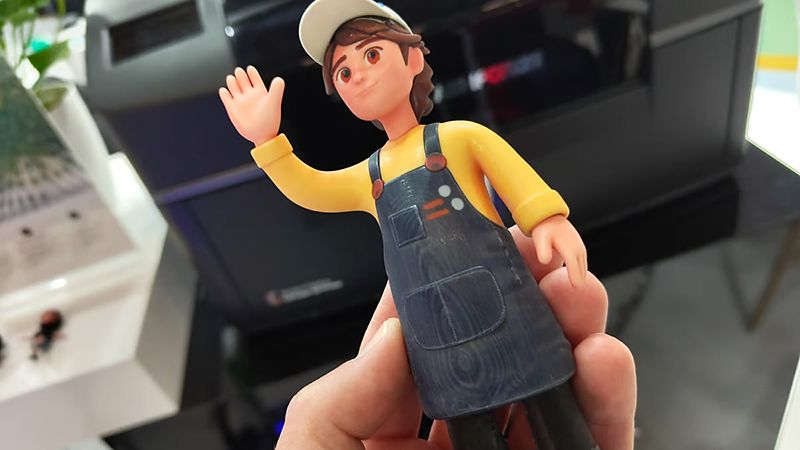
The CJ270 uses 6 structural resin types: cyan, magenta, yellow, black, white, and transparent, plus dedicated water-soluble support material dispensed through 7 individual printheads. RFID-tagged cartridges automatically identify material types and track usage levels, preventing mixing errors and enabling unattended operation. For example, a single print session produces models with opaque sections, transparent windows, and gradient transitions without material changeover.
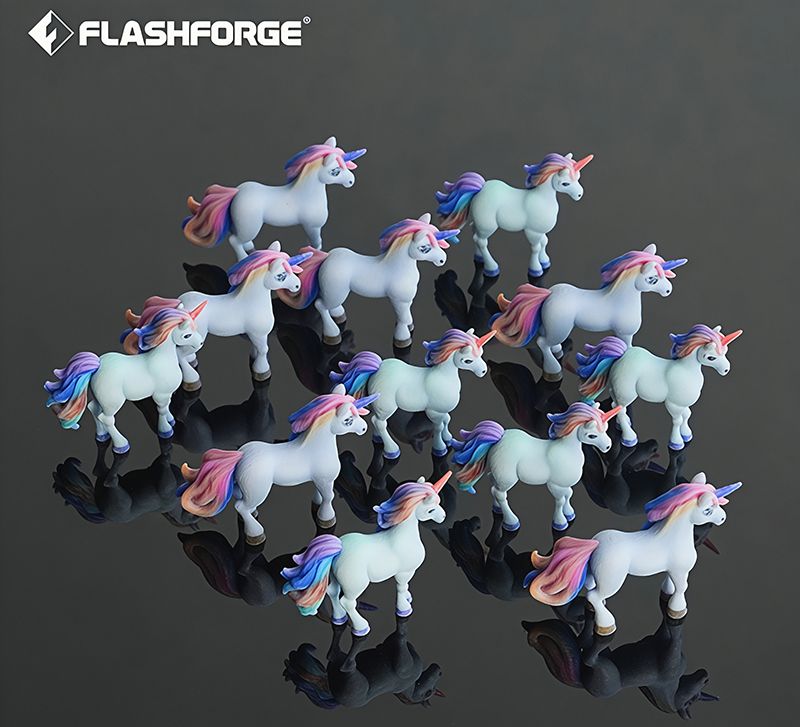
Water-soluble supports achieve complete dissolution in tap water within 10 hours at room temperature or accelerate to 1–2 hours using ultrasonic agitation at 40 kHz frequency, eliminating mechanical removal tools and chemical solvents.
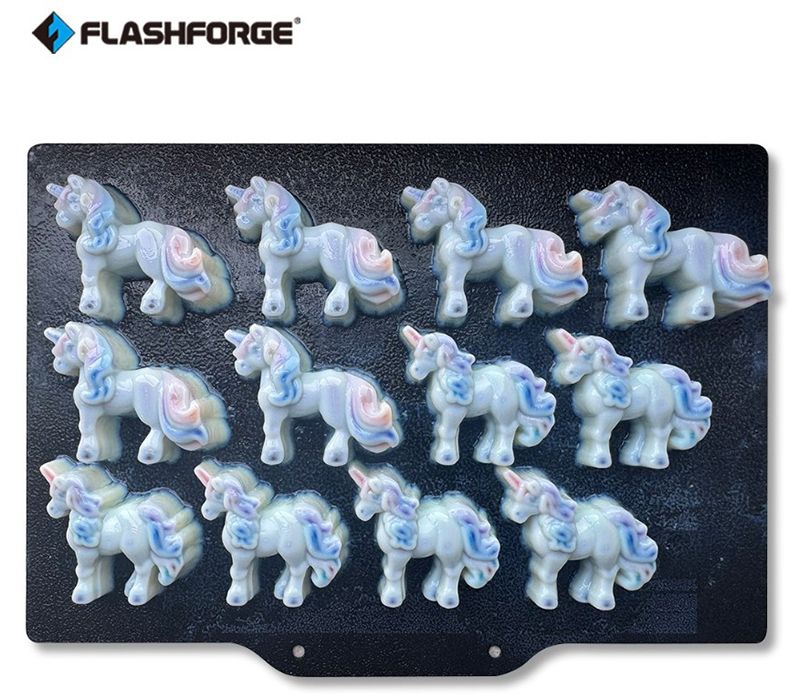
The CJ270 provides a build volume of 180 x 120 x 100 mm, accommodating objects up to 180 mm in length. The platform supports simultaneous printing of multiple small components or single medium-scale prototypes within dimensional constraints. For example, the build area fits a 1:50 scale architectural model of a 9-meter building or 12 miniature figurines measuring 60 mm in height arranged in a 3 x 4 grid pattern.
The CJ270 features a touchscreen interface for direct file transfer and print initiation through a single-button start command. Physical controls include an integrated display panel for job monitoring and RFID readers that automatically detect material cartridge installation and track remaining volumes. Material storage occurs within a light-blocking enclosure that prevents UV degradation of photopolymer resins during idle periods, extending shelf life beyond standard ambient storage conditions.
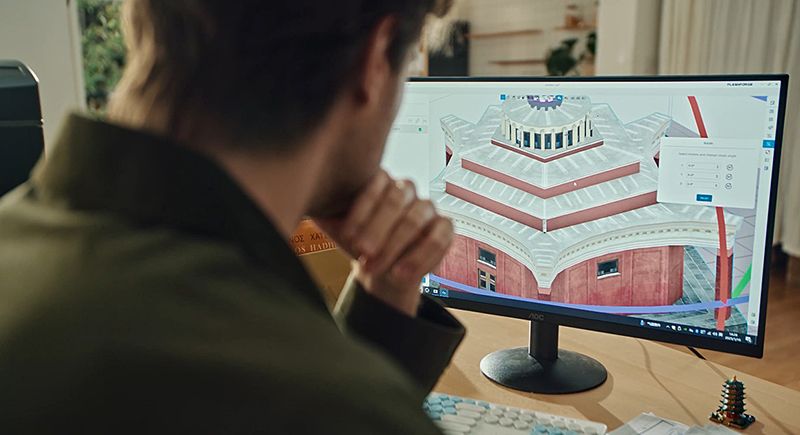
The proprietary slicing software automates 3D model processing through integrated color separation algorithms and G7-standard color management protocols. Users import STL or OBJ files, and the software automatically generates support structures, calculates material usage for all 6 resin types, and produces machine code for the 7-printhead system. For example, a complex figurine model processes from import to print-ready status within 3–5 minutes without manual color assignment or support placement, according to workflow demonstrations from Flashforge technical presentations.
The CJ270 measures 680 x 400 x 395 mm and weighs 38 kg, requiring 0.272 m² of desktop space. The fully enclosed design operates at ≤55 dB noise levels, which falls below typical office ambient noise (60–65 dB). For example, users report successful integration into shared workspaces without noise complaints, according to early adopter feedback from professional design studios.
To learn the current price of the Flashforge CJ270 3D printer, click the "request the quote" button and fill in the form. We will contact you as soon as possible and send you all the details.
Update your browser to view this website correctly. Update my browser now