This School Tried 3D Printing for the First Time — Here’s What Worked (and What Didn’t)
In this article, we look at how a private school introduced 3D printing into its curriculum for the first time, what benefits it brought to students and teachers, and what challenges appeared along the way.
Introducing 3D Printing to the Classroom
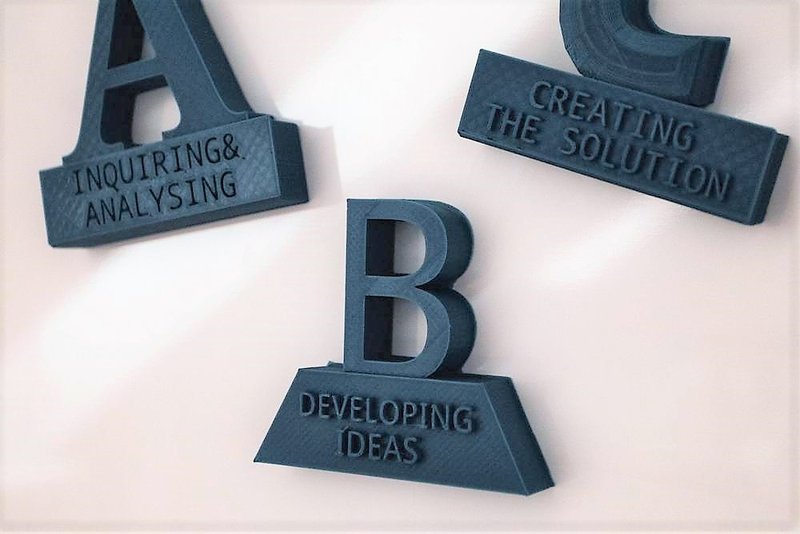
The school implemented 3D printing as part of its project-based learning strategy. The goal was to give students hands-on experience with modern prototyping tools and to integrate the technology into multiple subjects and activities.
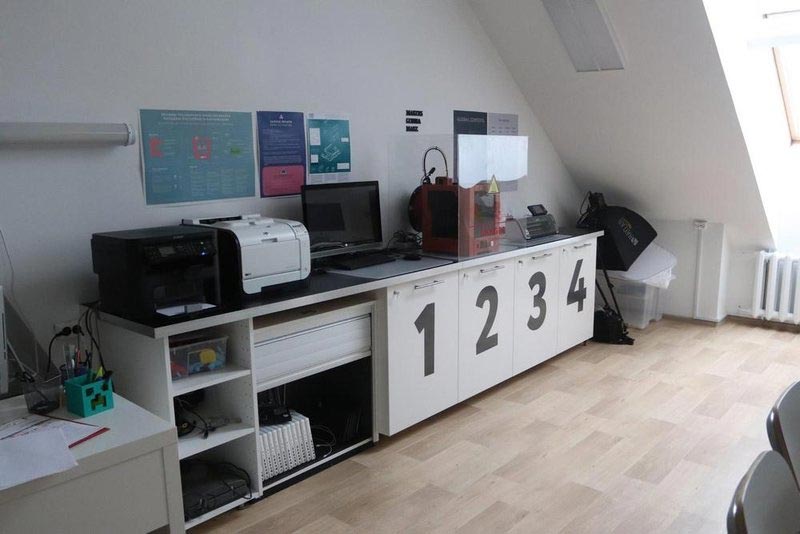
After consulting with professionals, the school chose a user-friendly desktop 3D printer suitable for classroom use. Local support and serviceability became key decision factors. Staff set up the printer quickly, and technical support answered early questions without delays. Even six months later, when the printer needed a replacement belt, the supplier resolved the issue with minimal downtime.
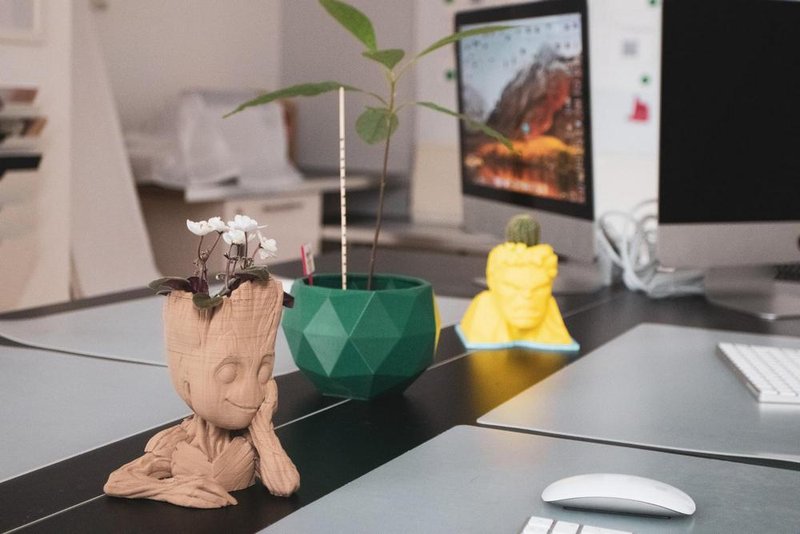
From the beginning, the school tested a range of filament types — PLA, ABS, FLEX, and others — to match different project requirements.
What Worked Well in Daily Use
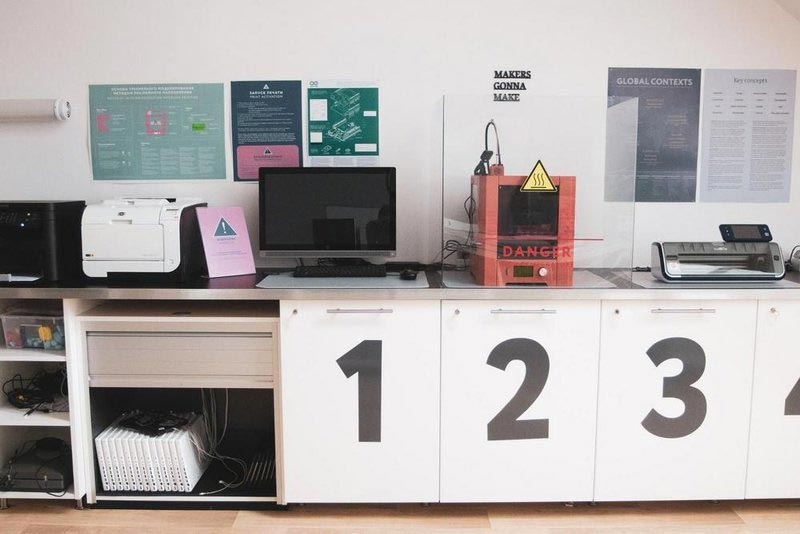
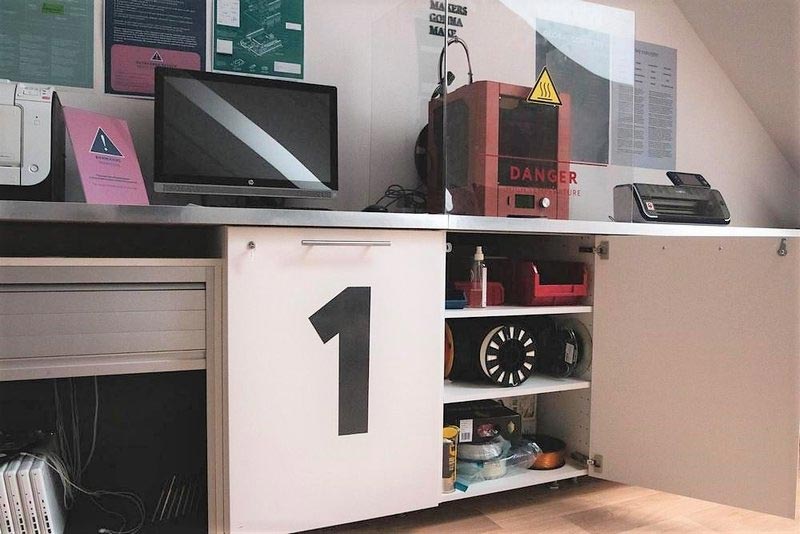
For a school with no previous experience, the 3D printer proved both accessible and practical. To keep younger students safe, the team placed the device in a custom-made protective enclosure. The setup balanced visibility and safety: students could watch the printing process while staying protected.
Educational Impact on Students
The 3D printer quickly became a valuable educational tool across multiple subjects. One standout project involved students designing custom board magnets for teachers. This activity combined communication, geometry, design thinking, and iterative problem-solving.
Students followed a workflow similar to real-world product development:
-
Conduct interviews with teachers
-
Sketch and refine concepts
-
Print initial prototypes
-
Collect feedback and adjust designs
-
Print final versions
To involve more students, the school streamed the printing process via webcam so anyone could observe.
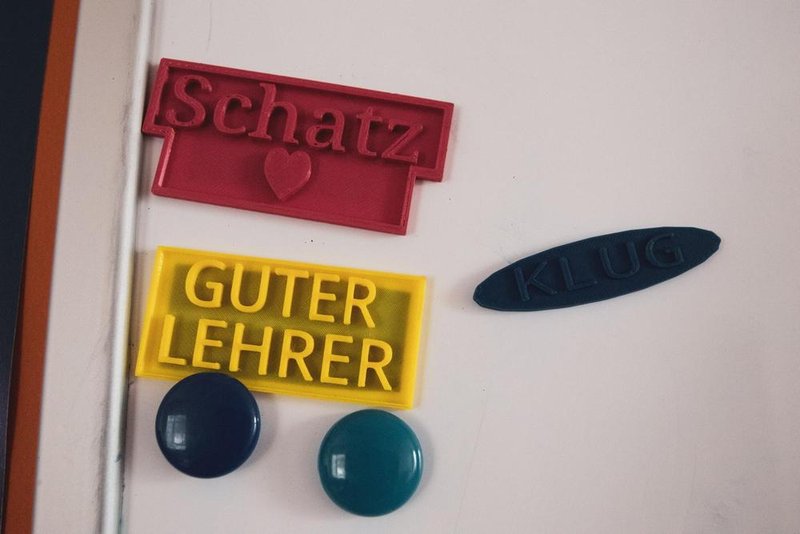
Previously, a project like this would have stopped at drawings.
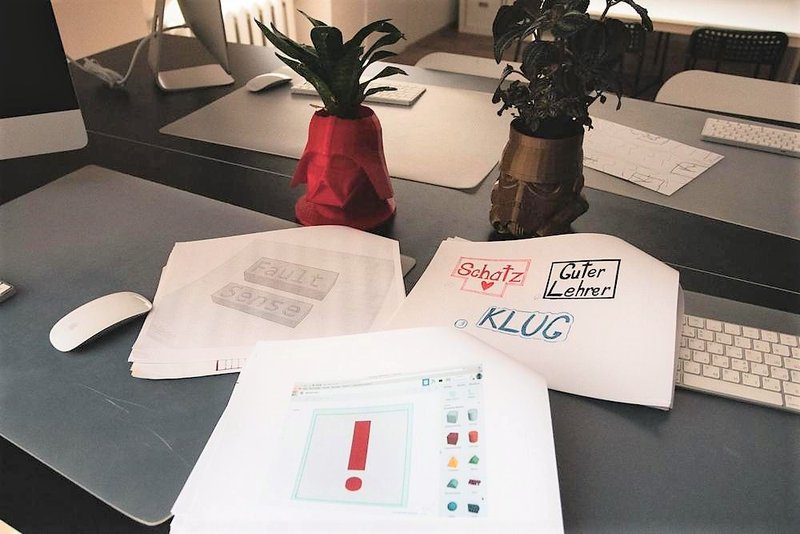
With 3D printing, students created and tested real, functional objects and learned how to improve them through iteration.
Other classroom applications followed:
-
Printing dinosaur skeletons for geography and history dioramas
-
Creating 3D models to demonstrate physics concepts
-
Prototyping wearable tech for digital health and STEM studies
Access to a real 3D printer gave students a clear view of both technical and economic aspects of product development — from design and functionality to material use and cost analysis.
Challenges and Software Compatibility
The main initial challenge involved software. The school primarily used macOS and iOS devices, while the printer’s slicing software only supported Windows. To keep the workflow running, the school purchased a dedicated Windows computer for slicing.
Later, the staff found a third-party cross-platform slicer, which allowed wider access from existing macOS devices and simplified lesson planning.
Practical Insights for Schools
The school chose a printer with a relatively large build area and, after a year of use, concluded that 180 × 180 × 180 mm was enough for most educational tasks. This volume even allowed multiple small parts — such as chess pieces — to print simultaneously, which helped teachers use class time efficiently.
In terms of material choice, PLA quickly became the preferred filament:
-
Easy to print
-
Safe for classroom use
-
Good bed adhesion
-
Fast cooling
-
No harmful fumes
These properties made PLA a practical default material for lessons. The platform adhesive lasted for weeks, and teachers could remove models without fully cooling the bed, saving valuable minutes during short class periods.
Conclusion
Introducing 3D printing into the classroom gave students practical experience in design, engineering, and prototyping. It also exposed them to the complete production cycle — skills that apply to many fields, including product design, engineering, project management, and manufacturing.
For students of different ages, working with a real 3D printer offered a glimpse into the tools and workflows that shape modern industries and showed how powerful hands-on learning can be.
Next Step: Choose a 3D Printer for Education
If you want to bring similar project-based learning to your school, consider adding an education-ready desktop 3D printer to your classroom. You can choose and order professional desktop 3D printers for schools and training centers from Top3DShop — with expert advice, official warranty, and full support for your educational 3D printing projects.
Write a comment