Bambu Lab H2S 3D Printer (The Ultimate Single-Nozzle Printer)





- 340 × 320 × 340 mm build volume
- Motion accuracy calibrated to < 50 µm
- Active Vibration Compensation with AI monitoring
- Optional 10 W laser engraving/cutting upgrade
- Flexible Payment Terms
- 1 Year Warranty
- Local Technical Support
- Free Online Training
- Quick start guide
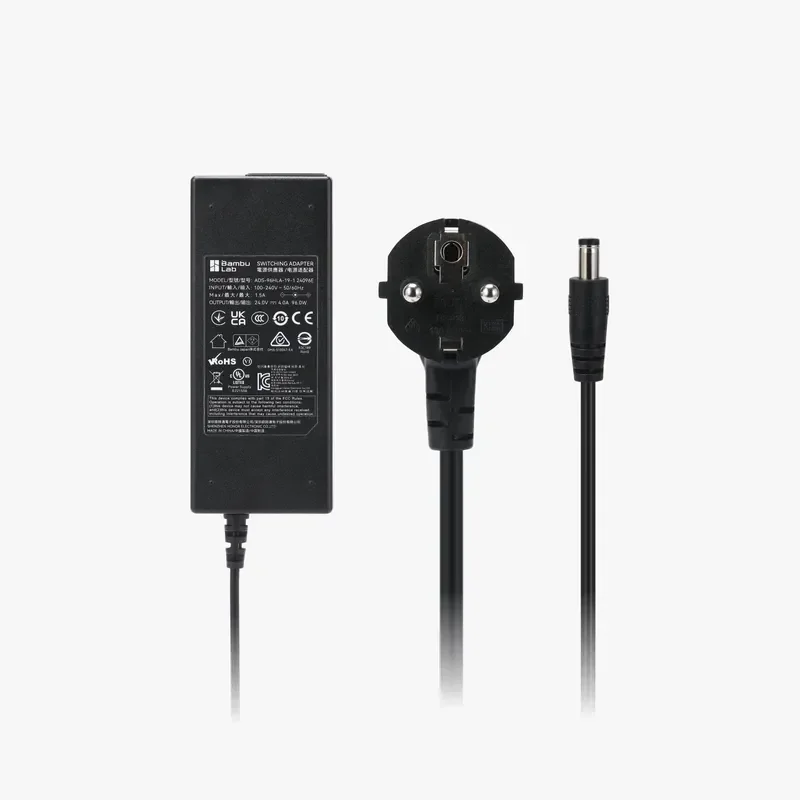
- Power adapter
- Assembly tools
- Warranty card
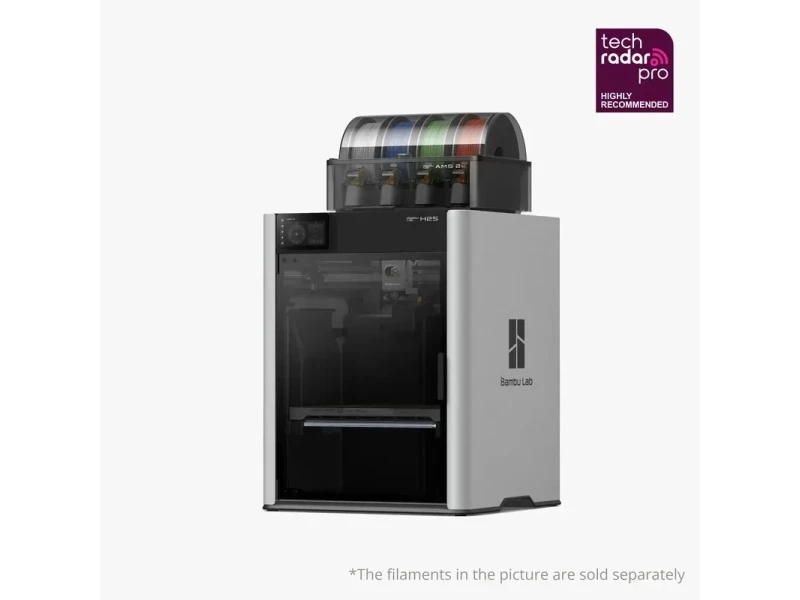
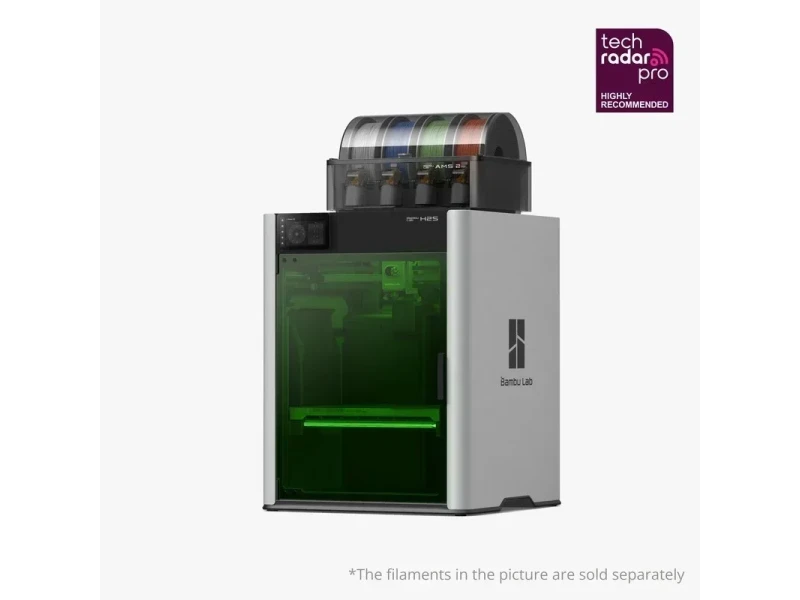
Bambu Lab H2S is a large-format, single-nozzle, enclosed CoreXY FDM 3D printer designed for high-speed, high-accuracy production: it offers a 340 × 320 × 340 mm build volume, a 350 °C hotend, 120 °C bed, and a 65 °C actively heated chamber. Its precision stack combines a PMSM servo extruder with eddy-current nozzle sensors, Active Vibration Compensation, Auto Hole/Contour Compensation, and the optional Vision Encoder plate that calibrates motion to < 50 µm, while an AI monitoring suite (23 sensors, on-device cameras) guides pre-flight checks and failure detection; a 10 W Laser Upgrade Kit (adds the BirdsEye camera) extends the platform to engraving/cutting.
- What is the print quality and performance of the Bambu lab H2S?
- Which thermoplastic filaments can you use with the Bambu lab H2S?
- What is the build volume of the Bambu lab H2S?
- What is the difference between the Bambu Lab H2S, H2D, H2D Pro, X1 Carbon and P1S?
- What is the difference between the Bambu Lab H2S, Creality K2 Plus, Voron 2.4 R2 Pro+, Prusa XL and Prusa Core One?
- What printer controls are available on the Bambu lab H2S?
- What connectivity options are available on the Bambu lab H2S?
- What software is offered with the Bambu lab H2S?
- What is the design and build quality of the Bambu lab H2S?
- What is the mainboard of the Bambu Lab H2S?
- What are the power supply specifications of the Bambu Lab H2S?
- What comes included in the box with Bambu Lab H2S?
- What upgrades and accessories are available for the Bambu Lab H2S?
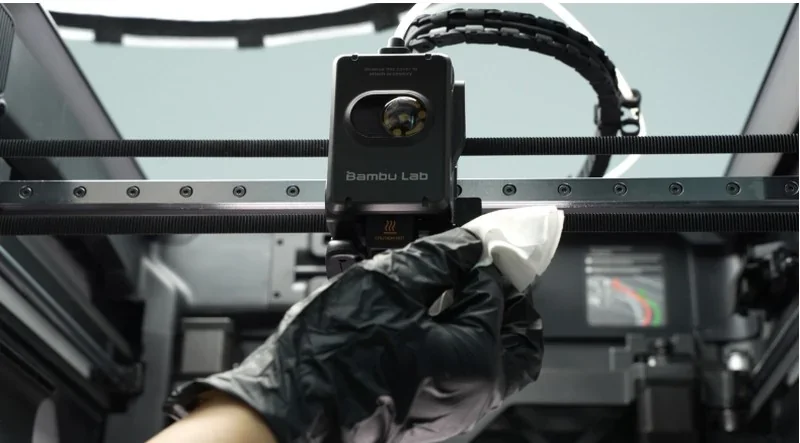
- What maintenance does the Bambu lab H2S require?
- What support and warranty come with the Bambu lab H2S?
- How much does the Bambu lab H2S cost?
What is the print quality and performance of the Bambu lab H2S?
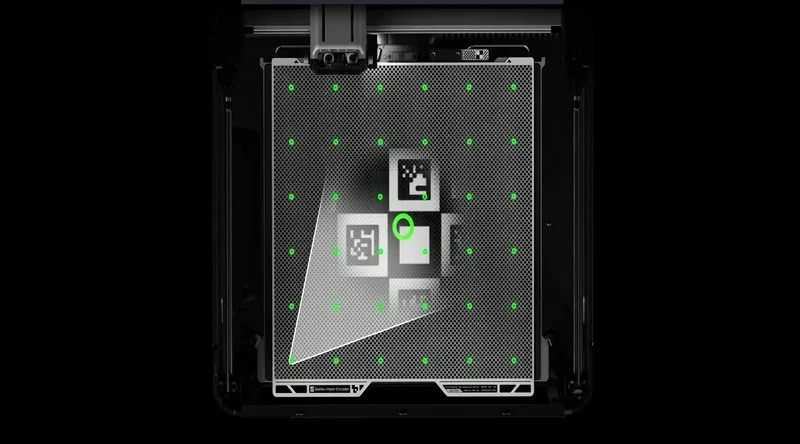
The H2S is engineered for high-accuracy single-nozzle printing: with the optional Vision Encoder plate it calibrates XY motion to under 50 µm accuracy, and Auto Hole/Contour Compensation (in Bambu Studio, with designated Bambu filaments) tightens fit-critical dimensions such as holes and shafts.
Print Sample: Bambu Lab H2S printed a max-size PLA 3DBenchy (1.1 kg) in 28 hours, showing excellent dimensional accuracy, surface finish, consistent layer adhesion, and fine detail.
Print quality is stabilized by a 350 °C hotend, 120 °C bed and 65 °C actively heated chamber with closed-loop fan control to reduce warping and improve layer adhesion on engineering polymers.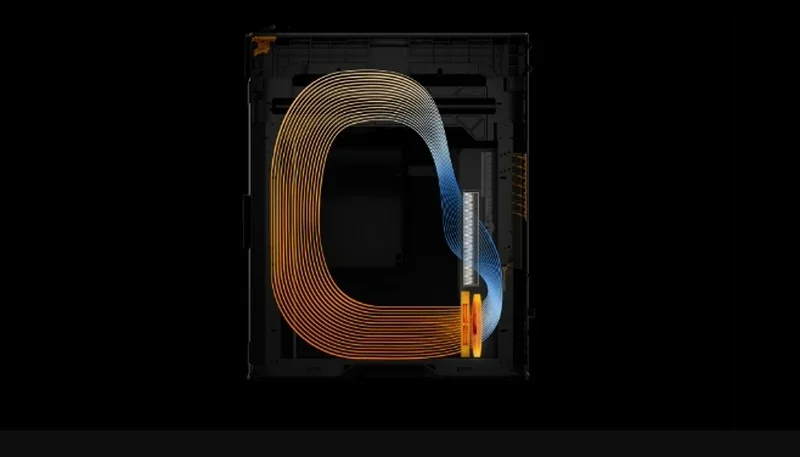
Extrusion smoothness and edge definition are further improved by the servo-motor extruder plus eddy-current nozzle sensors that measure nozzle pressure and auto-tune PA per filament.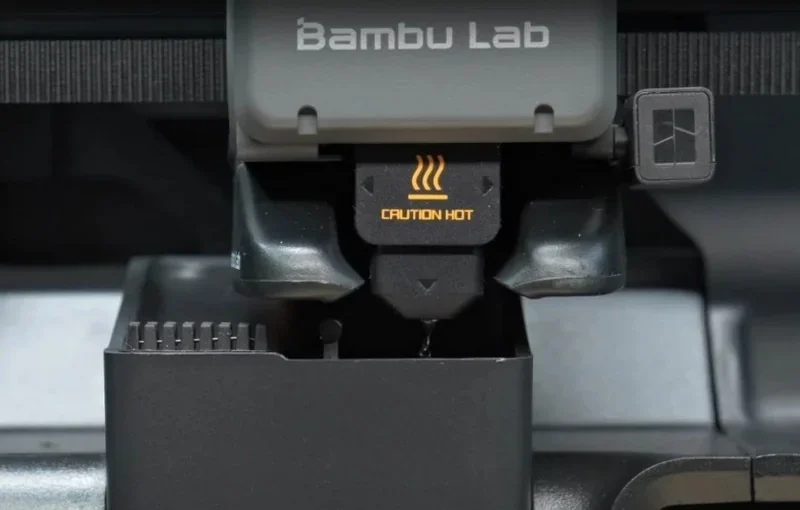
Active Vibration Compensation suppresses resonance for cleaner walls at speed.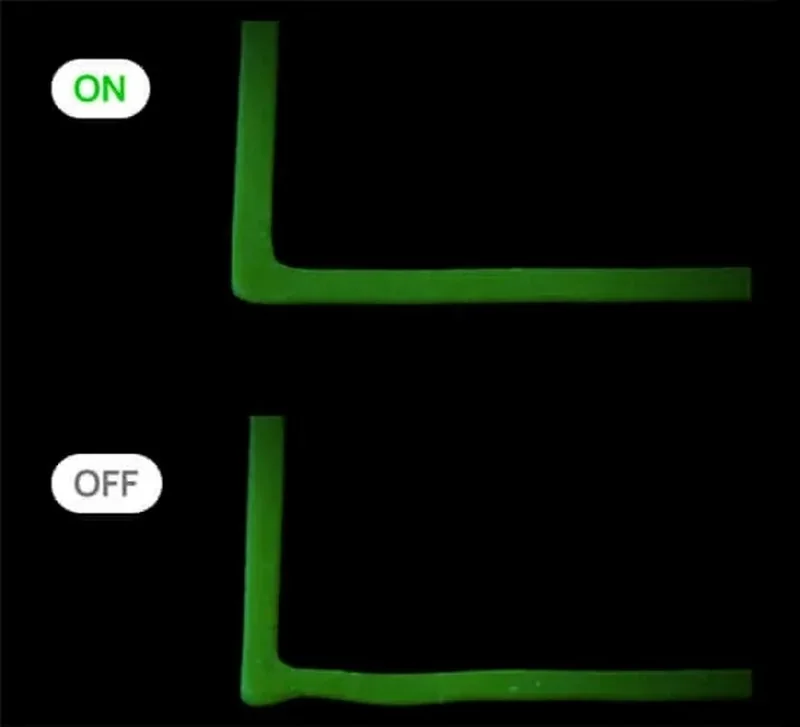
During testing, PLA, PETG, and PPS-CF parts – printed at 300 mm/s with a 0.4 mm nozzle – showed smooth, artifact-free surfaces, consistent layer stacking, and uniform first-layer adhesion — even at 20,000 mm/s² acceleration. Only some fine PLA details appeared slightly softer than on the H2D due to a less powerful cooling fan.
The enclosure integrates safety interlocks (front door/top cover) and fire-resistant construction.
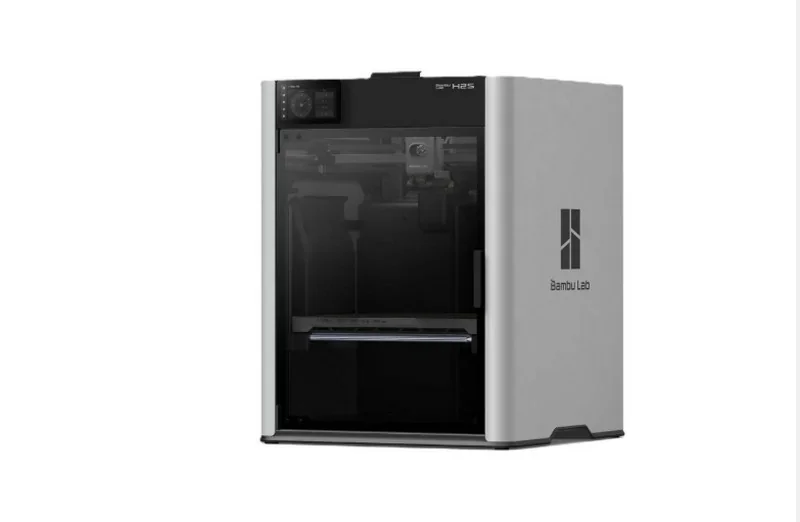
Process control & repeatability: the system uses 23 sensors and 3 cameras for AI monitoring (spaghetti, clumping, purge-chute jams), a vision-guided pre-flight checklist (debris scan, plate identification), and multi-point thermal sensing to actively regulate the print environment and airflow/filtration.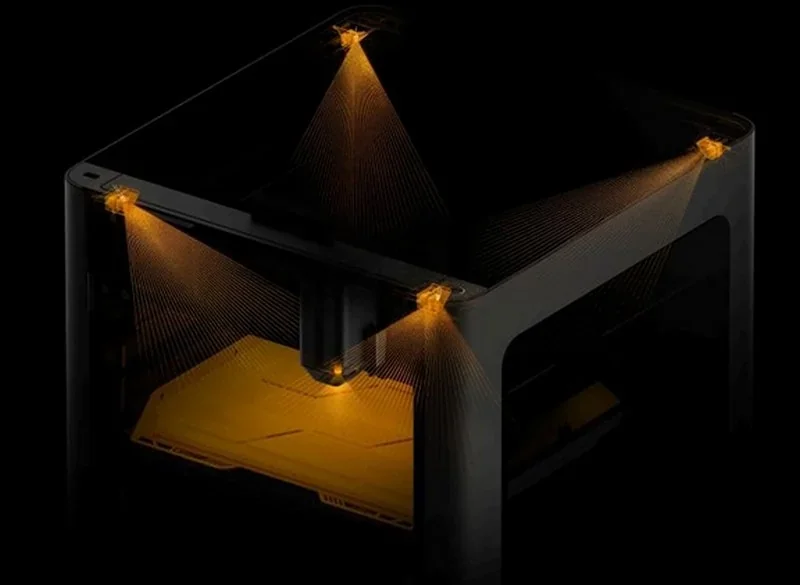
Example: When printing the Autodesk benchmark set, the printer produced clean layers, sharp overhangs, stable bridges, and showed no ringing or Z-banding.
Leveling & first-layer reliability: the H2S implements an automatic leveling routine working in concert with vibration compensation and pressure advance; initial self-check and leveling can be lengthy but are hands-free.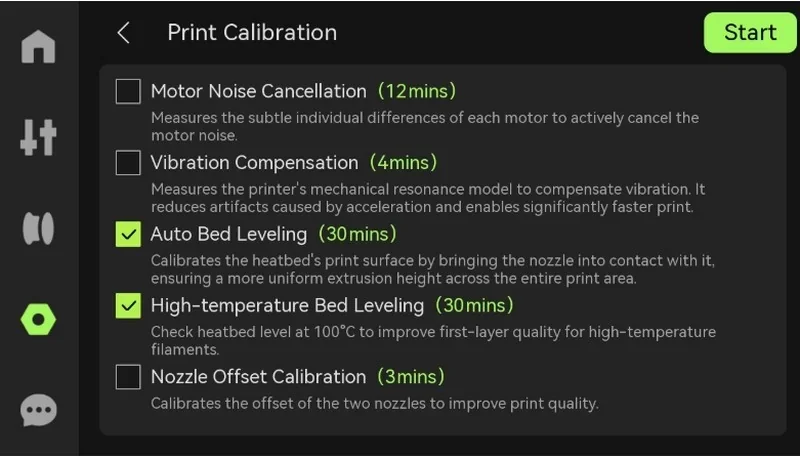
Example: During full bed prints, first layers adhered well across the surface despite the bed only reaching 104°C (set to 120°C), as the heated chamber compensated for the lower bed temperature.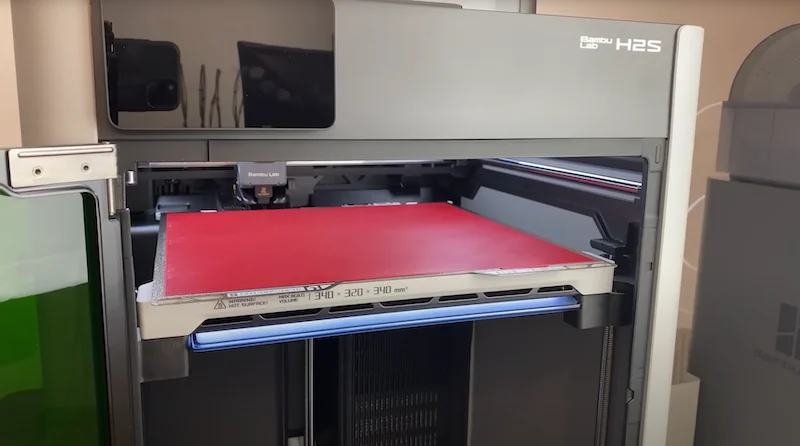
Credit: Albert KeyDot, 247printing YouTube Channel (https://www.youtube-nocookie.com/watch?v=EUHZtyOmQGg)
Which thermoplastic filaments can you use with the Bambu lab H2S?
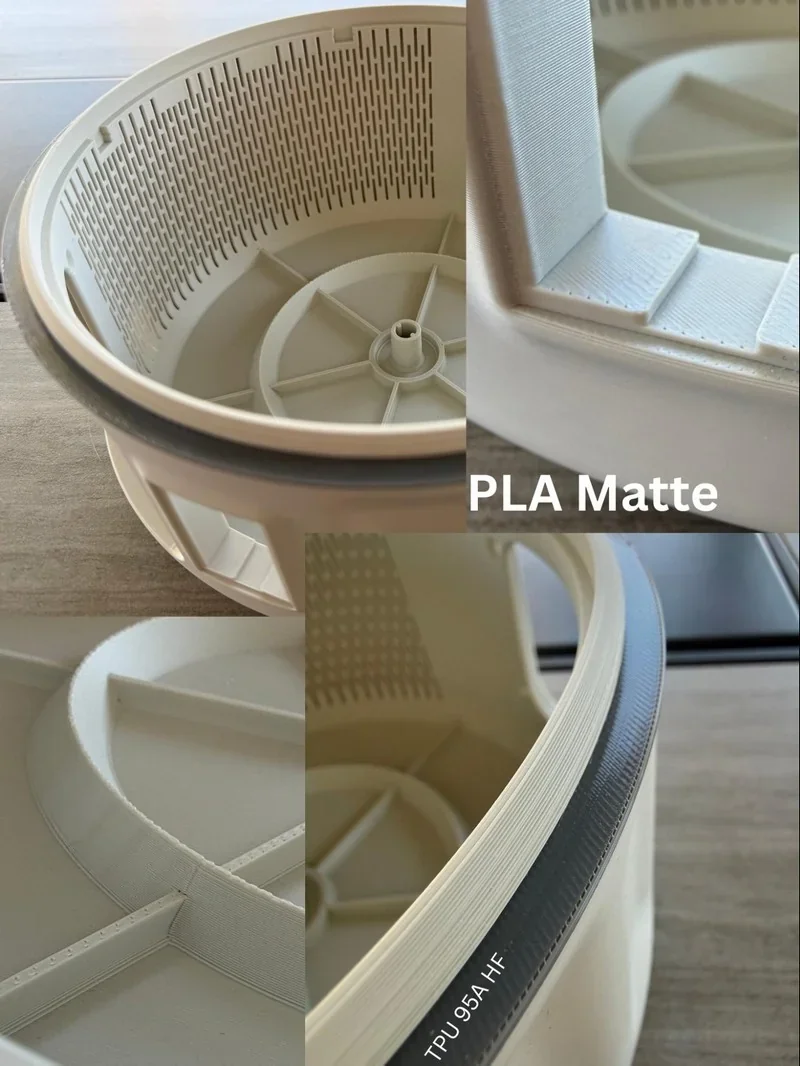
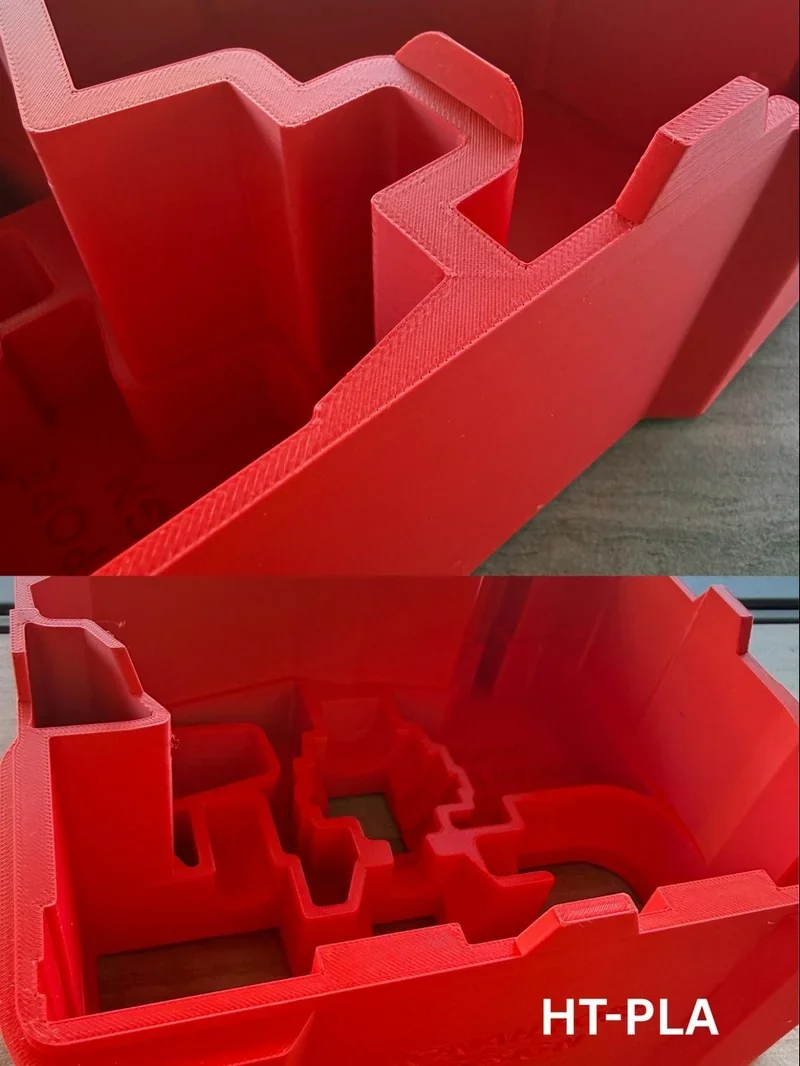
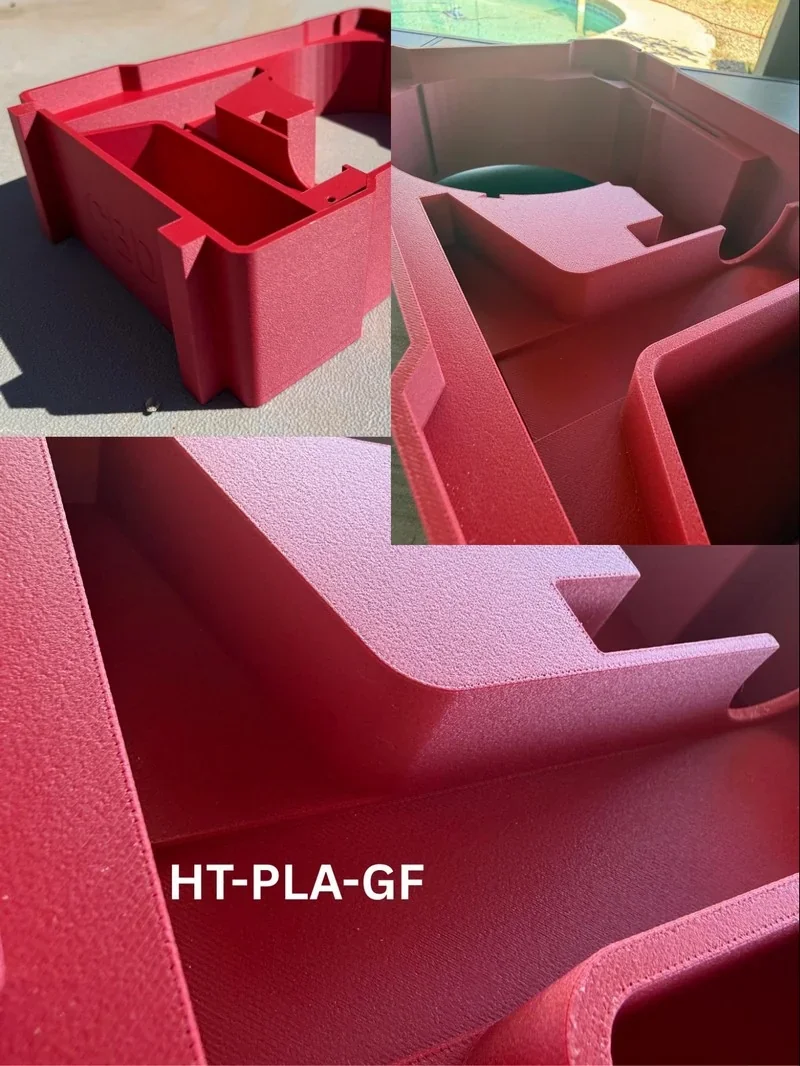
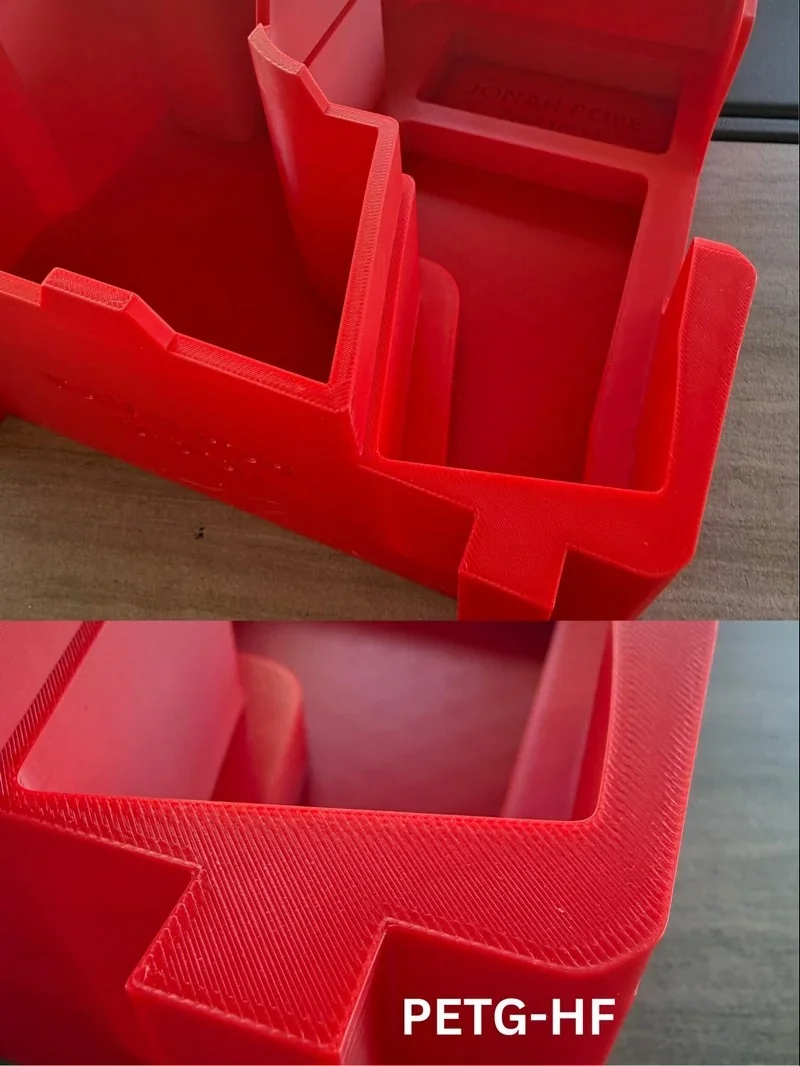
The Bambu Lab H2S supports 29 material types, including PLA, PETG, TPU, PVA, BVOH, ABS, ASA, PC, PA, PET, PPS, and carbon- or glass-fiber-reinforced variants of PLA, PETG, PA, PET, PC, ABS, ASA, PPA, and PPS. Its hardware ensures broad material compatibility, featuring a 350 °C all-metal hotend, 120 °C heated bed, 65 °C actively heated chamber, and closed-loop cooling. For optimal results with flexible or brittle filaments, the rear direct-feed path (bypassing the AMS) minimizes bending and improves consistency; TPU should be loaded via its dedicated rear port. The printer is open to third-party filaments, with proven reliability across multiple non-proprietary brands, while AMS 2 Pro and AMS HT units provide integrated drying for hygroscopic materials.
PLA, ABS-GF, PPS-CF, and PPACF Test Prints:
HT-PLA 3D Print Sample:
Credit: Tyler Reichelt, Bambu Lab Facebook Group
HT-PLA 3D Print Sample:
Credit: Tyler Reichelt, Bambu Lab Facebook Group
HT-PLA-GF Print Sample:
Credit: Tyler Reichelt, Bambu Lab Facebook Group
PETG-HF Print Sample:
Credit: Tyler Reichelt, Bambu Lab Facebook Group
ABS-GF 3D Print Sample:
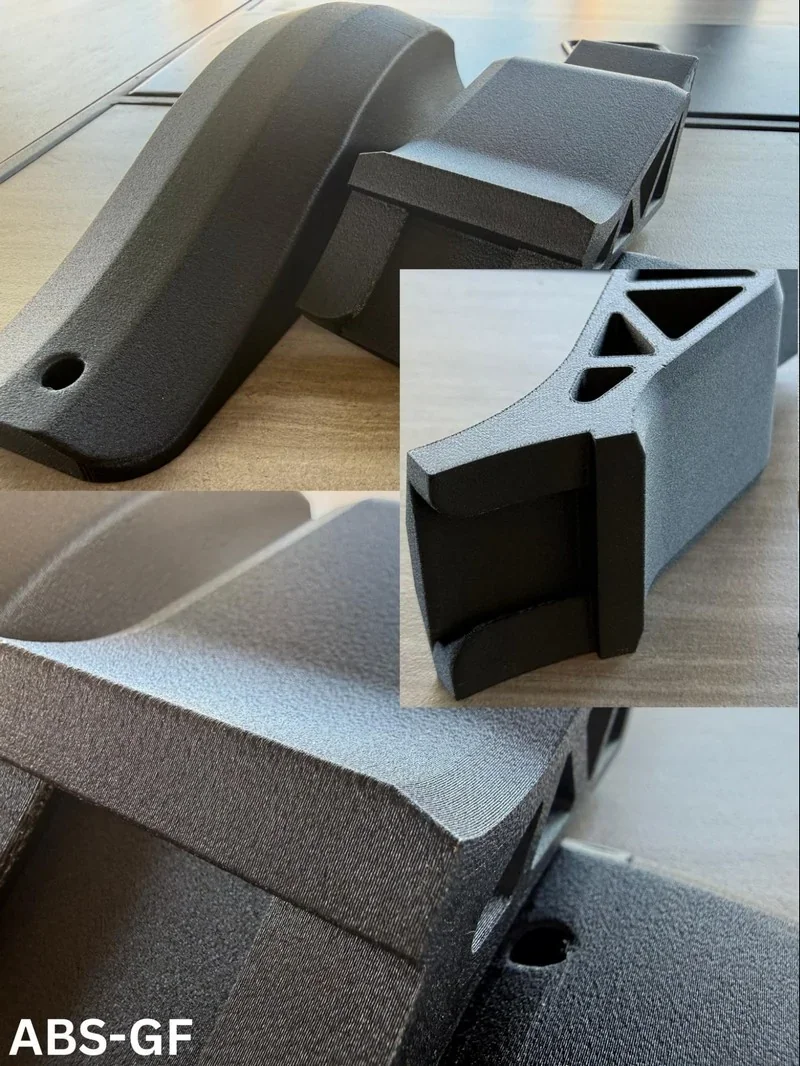
Credit: Tyler Reichelt, Bambu Lab Facebook Group
ABS-GF 3D Print Sample:
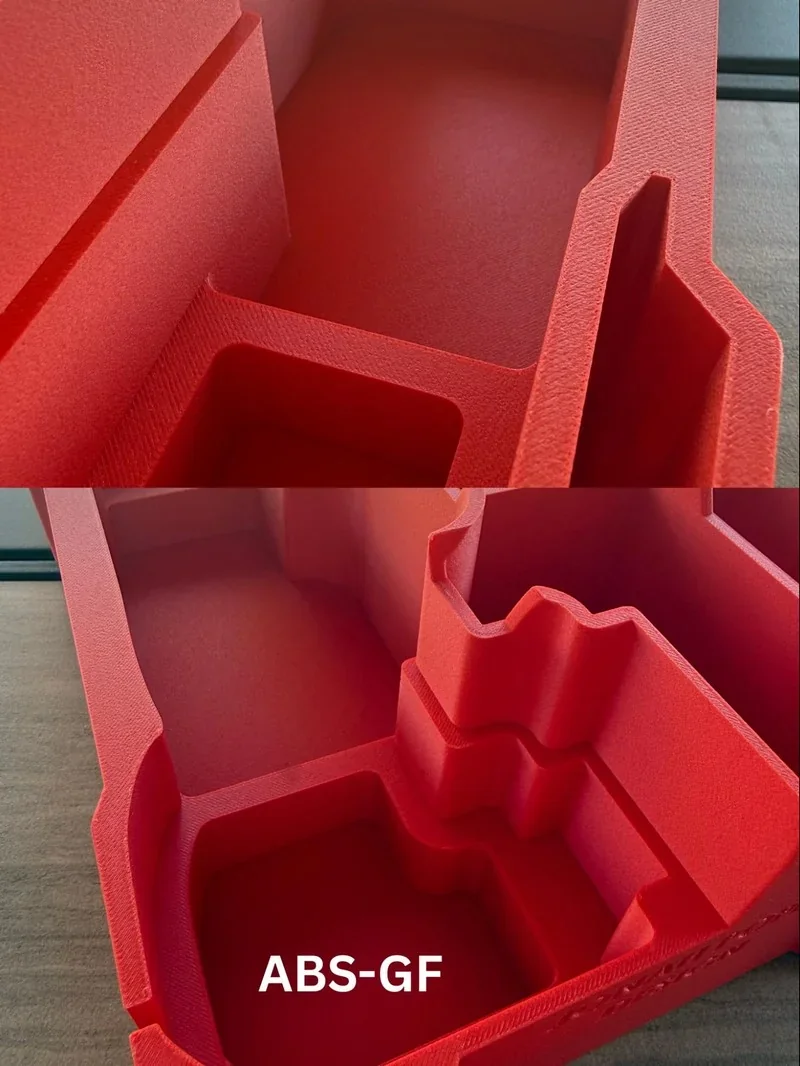
Credit: Tyler Reichelt, Bambu Lab Facebook Group
Nylon 3D Print Sample:
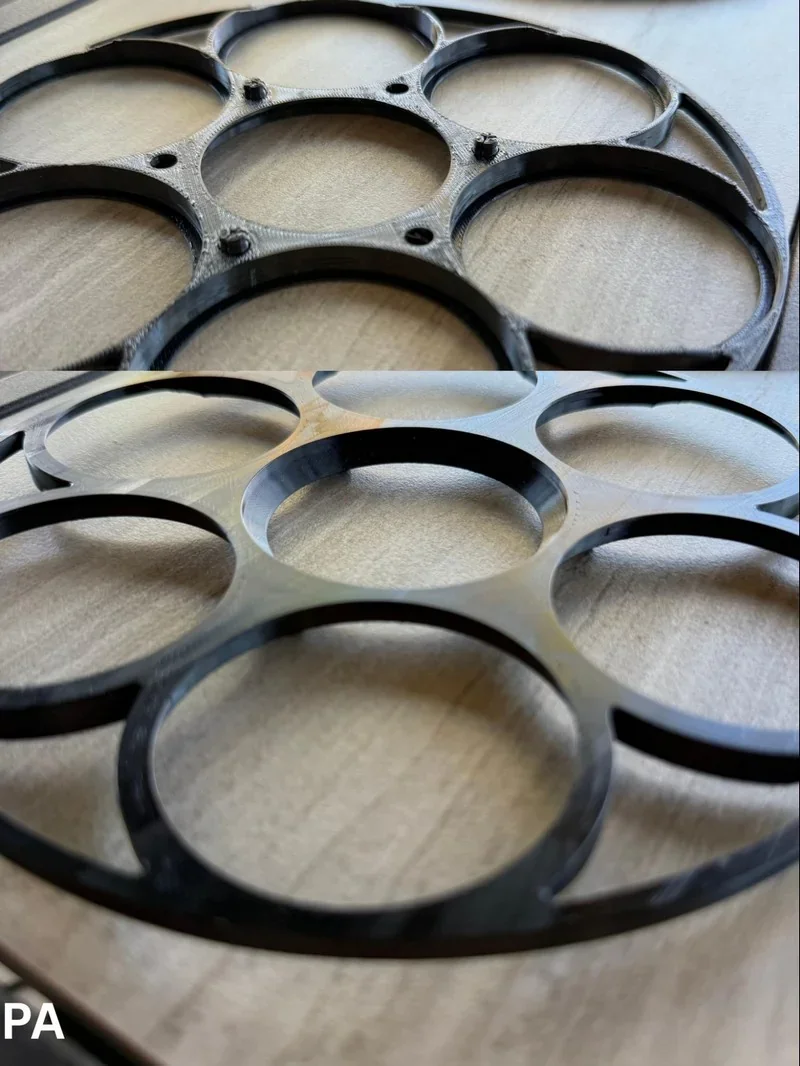
Credit: Tyler Reichelt, Bambu Lab Facebook Group
Polycarbonate 3D Print Sample:
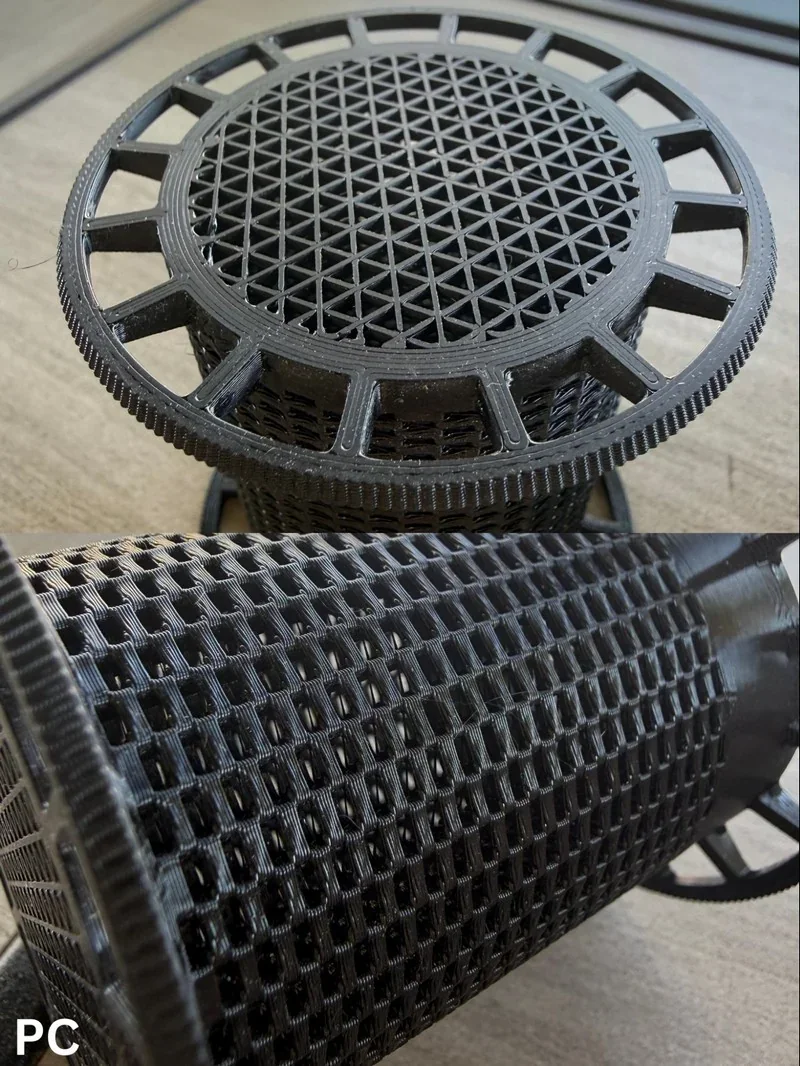
Credit: Tyler Reichelt, Bambu Lab Facebook Group
What is the build volume of the Bambu lab H2S?
The Bambu Lab H2S provides a 340 × 320 × 340 mm build volume, and — thanks to its single-nozzle architecture and a cutter mechanism that does not restrict motion — it uses the full X–Y range with no build-volume reduction during printing.
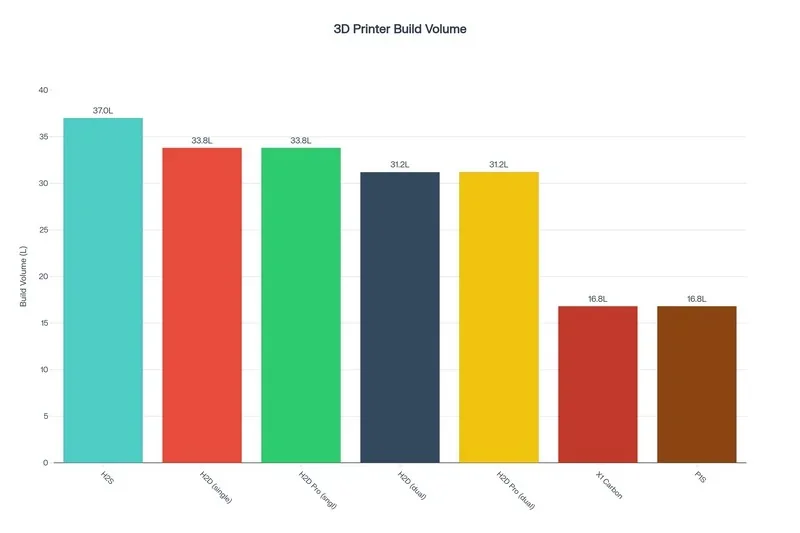
What is the difference between the Bambu Lab H2S, H2D, H2D Pro, X1 Carbon and P1S?
The Bambu Lab H2S offers the H-series' high performance — 65 °C active chamber, 350 °C nozzle, and 1000 mm/s speed — at the lowest price, with the largest build volume (340 × 320 × 340 mm). For dual-material printing, the H2D and H2D Pro add that capability with a slightly smaller build area (300 × 320 × 325 mm) but cost more ($1,999 and ~$3,799). In contrast, the X1 Carbon and P1S are cheaper but have smaller volumes, a 300 °C nozzle limit, no active chamber heating, and 500 mm/s speed — making them better suited for general use than for high-performance engineering prints.
|
Model |
Build volume (mm) |
Chamber |
Max nozzle (°C) |
Max speed (mm/s) |
Price (USD) |
|
Bambu Lab H2S |
340×320×340 |
Active to 65 °C |
350 |
up to 1000 |
From $1,249 |
|
Bambu Lab H2D |
325×320×325 (single); 300×320×325 (dual) |
Active to 65 °C |
350 |
up to 1000 |
From $1,999 |
|
Bambu Lab X1 Carbon |
256×256×256 |
Enclosed (no active heat) |
300 |
up to 500 |
From $799 (printer) / $1,249 (Combo) |
|
Bambu Lab P1S |
256×256×256 |
Enclosed (no active heat) |
300 |
up to 500 |
From $549 (printer) / $749 (Combo) |
|
Bambu Lab H2D Pro |
325×320×325 (single); 300×320×325 (dual) |
Active to 65 °C |
350 |
up to 1000 |
From $3,799 |
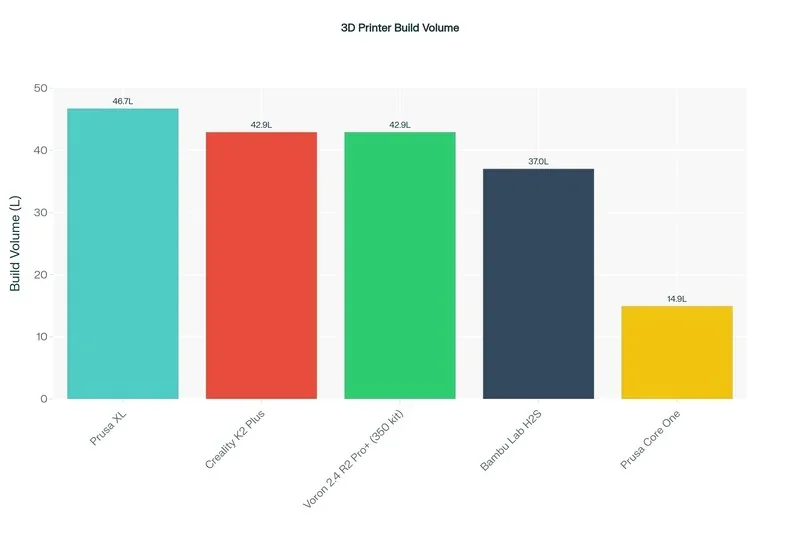
What is the difference between the Bambu Lab H2S, Creality K2 Plus, Voron 2.4 R2 Pro+, Prusa XL and Prusa Core One?
The Bambu Lab H2S offers the best balance of speed, temperature capability, and cost — supporting engineering-grade materials with a 65 °C chamber, 350 °C nozzle, and 1000 mm/s speed for $1,249. The Creality K2 Plus matches build volume (350³ mm) and adds a heated enclosure but falls short on nozzle temp (300 °C) and speed (600 mm/s) at $1,726, not to mention reliability issues and long wait times to get support and spare parts from China. The Voron 2.4 R2 Pro+ is cheaper ($779) with similar volume, but its passive chamber and 250 mm/s speed suit hobbyists, not high throughput. Prusa XL has the largest volume (360³ mm) but lacks chamber heat, maxes at 290 °C, and costs $2,463. The smaller Prusa Core One offers a 55 °C chamber and 290 °C nozzle for $1,584. For fast, high-temp FFF production, the H2S is the strongest value.
|
Model |
Build volume (mm) |
Chamber |
Max nozzle (°C) |
Price |
|
Bambu Lab H2S |
340×320×340 |
Active to 65 °C |
350 |
From $1,249 |
|
Creality K2 Plus |
350×350×350 |
Closed (heated/enclosed) |
300 |
From $1,099 |
|
Voron 2.4 R2 Pro+ (350 kit) |
350×350×350 |
User-enclosed (passive) |
300 |
From $899 |
|
Prusa XL |
360×360×360 |
Enclosed (no active heat) |
290 |
From $2,439 |
|
Prusa Core One |
250×220×270 (smaller class) |
Up to 55 °C |
290 |
From $1,567 |
What printer controls are available on the Bambu lab H2S?
The H2S uses an on-printer 5-inch, 1280×720 capacitive touchscreen with a left rail of primary tabs—Homepage, Controls, Filaments, Settings, and HMS—plus quick tiles for Print Files, Nozzle Temp, Filament, and Status; this layout centralizes job launch and routine adjustments without a computer.
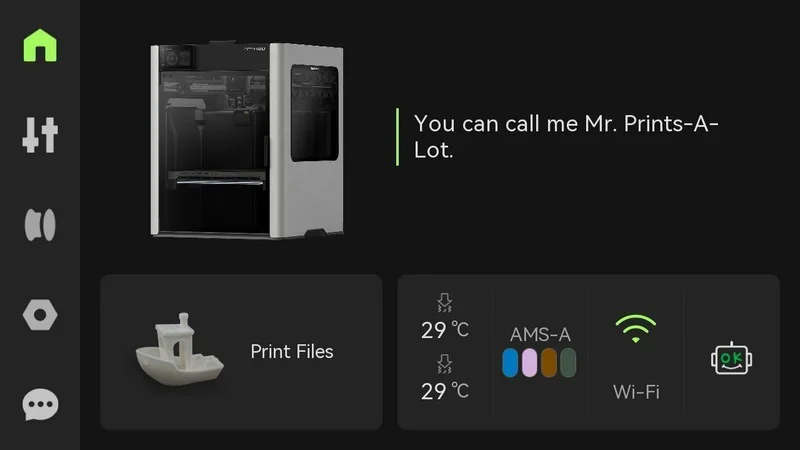
- Launch prints from Print Files; during jobs, the screen provides pause/stop and real-time status.
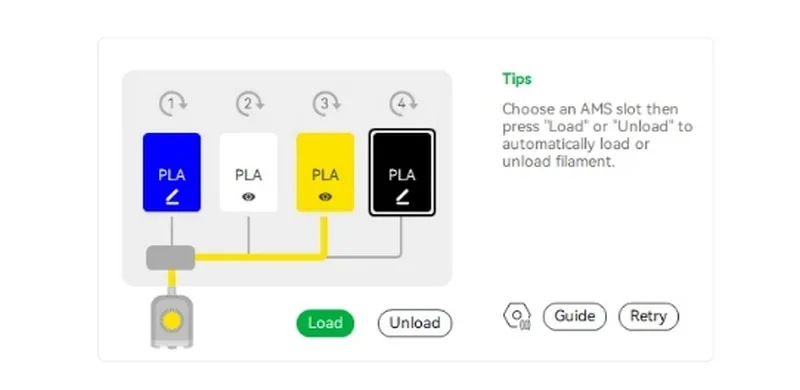
- Filaments/AMS guide pages present slot selection with a Load action for automatic feeding, plus pairing guidance for left/right extruders.
- One-touch light control and (if equipped) BirdsEye camera tile appear in Controls for on-device visibility and alignment checks.
- The HMS page surfaces diagnostic codes and guided troubleshooting directly on the printer.
On-device UI & menu system.
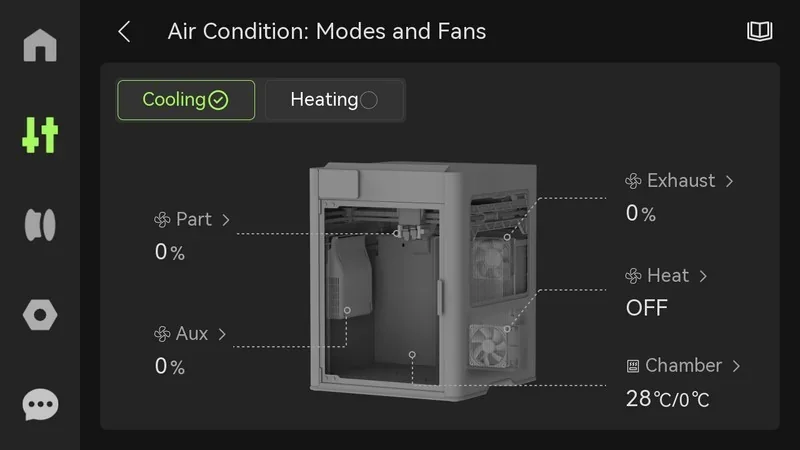
- Controls → Air Condition exposes chamber modes (Cooling/Heating), plus part-cooling, auxiliary part-cooling, chamber exhaust, and circulation fan management to stabilize part quality at speed.
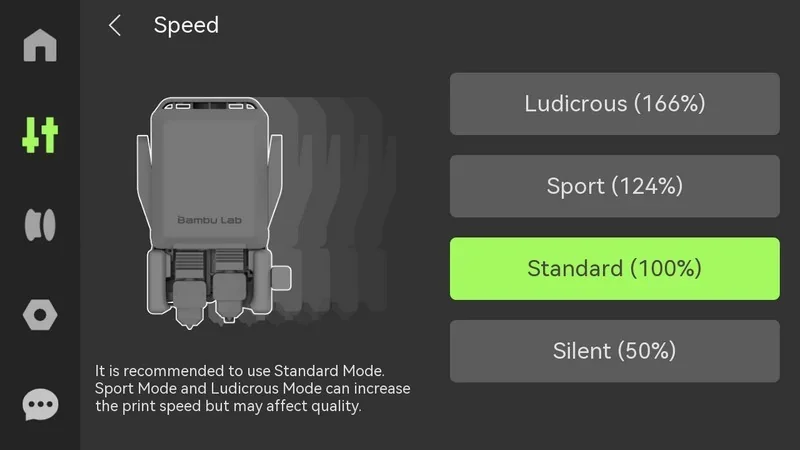
- Controls → Speed offers Silent / Standard / Sport / Ludicrous presets that scale motion/acceleration globally for quality vs. throughput.
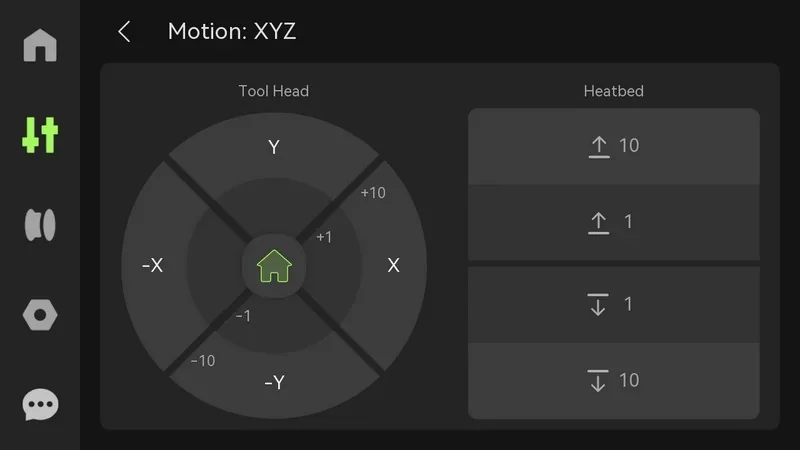
- Controls → Motion jogs XY toolhead and Z bed for setup or recovery.
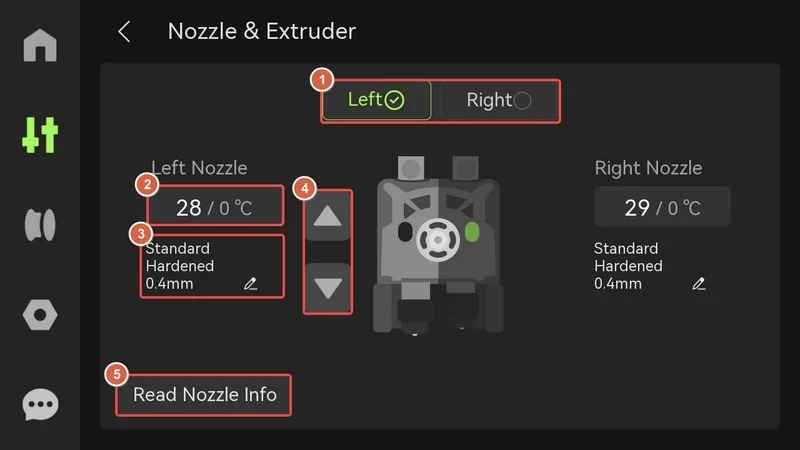
- Controls → Nozzle & Extruder lets users select left/right nozzle, set nozzle type/diameter, set temperatures, and manually load/unload with on-screen extrude/retract; Read Nozzle Info auto-reads installed nozzle metadata.
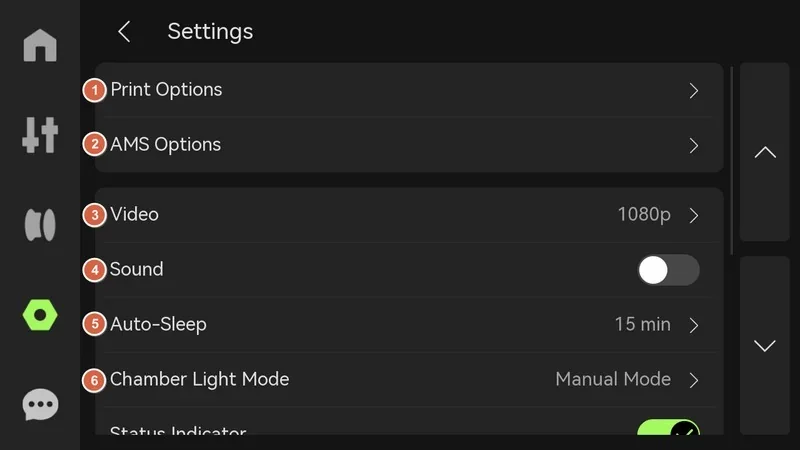
- Settings includes UI preferences (sounds, auto-sleep, chamber light, language), device info, status indicator, export logs to USB, and factory reset.
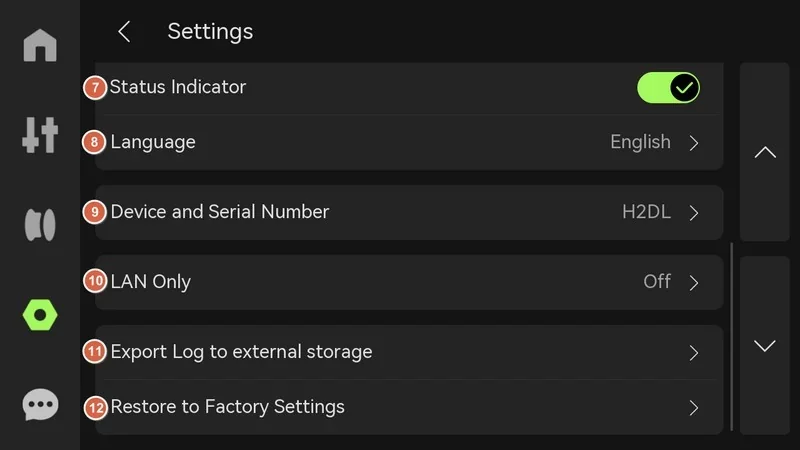
Built-in calibration & adjustment controls.
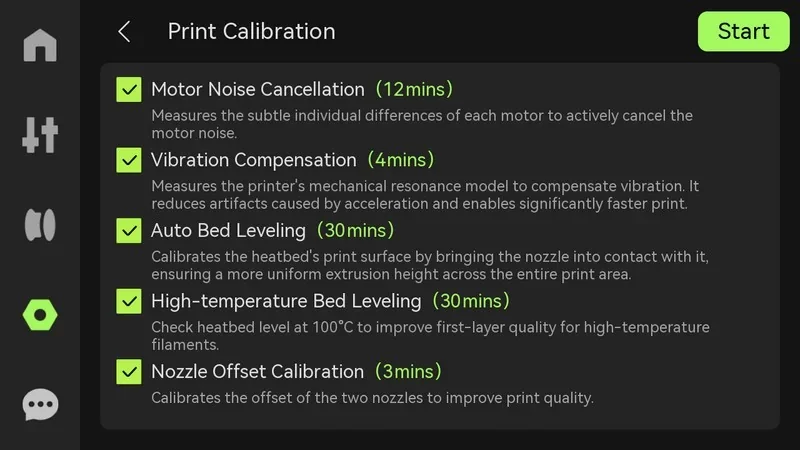
From Settings → Calibration / Print Calibration, the printer runs motor noise cancellation, vibration compensation, auto bed leveling, high-temperature bed leveling, and dual-nozzle offset calibration; partial pre-print leveling can auto-probe only the model’s footprint to save time. The UI also guides multi-stage 8×8 / 22×22 probing routines and documents when to rerun high-temp leveling after hardware changes.
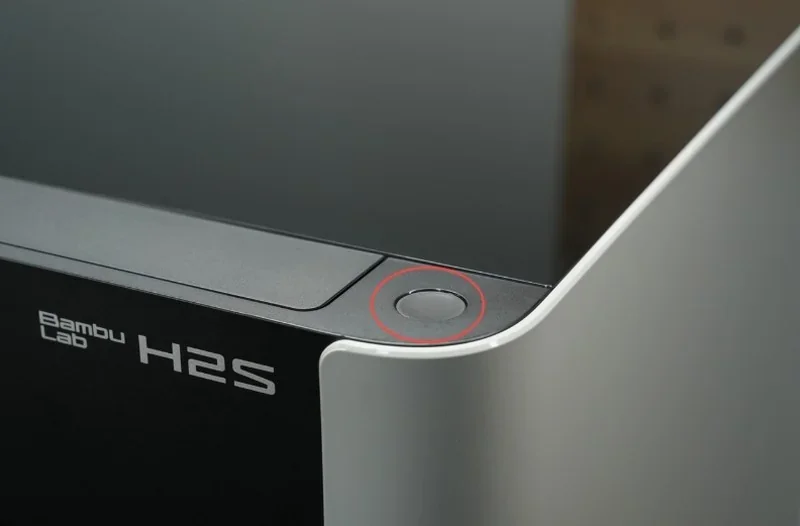
Physical Controls
Direct operation controls include a physical Start/Pause button required to begin and pause laser/cutting tasks (the 3D printing pause is initiated from the screen).
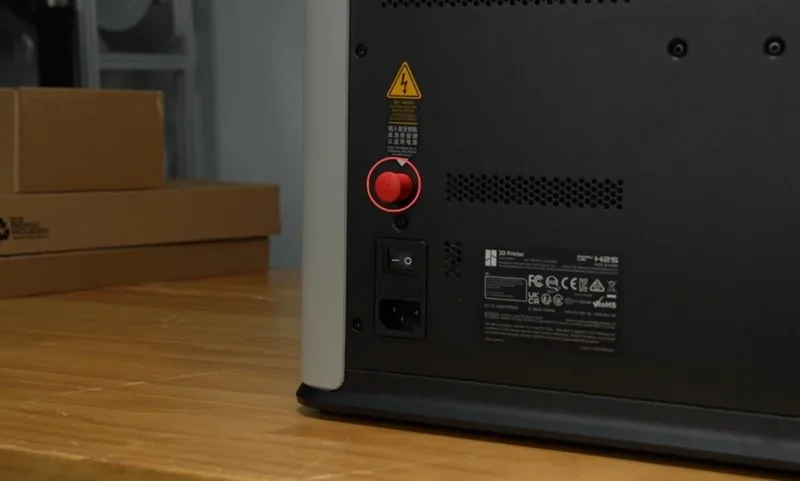
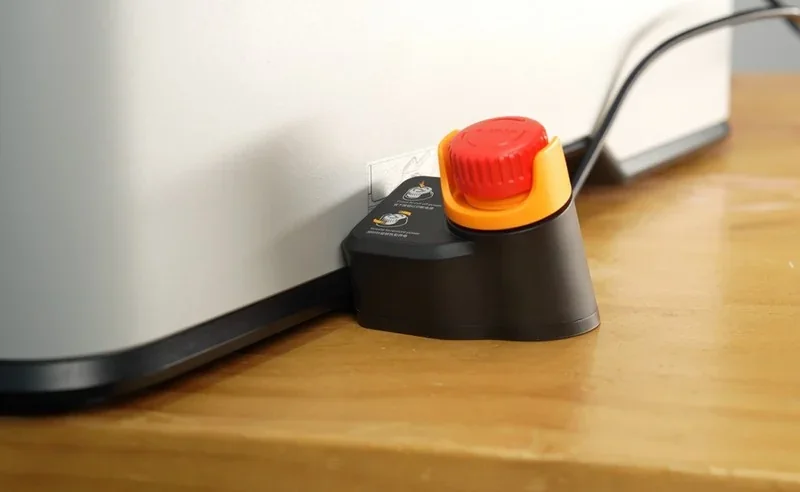
An Emergency Stop (required for laser) and Safety Key interlock govern power/enablement. The printer automates first-layer prep with a nozzle-cleaning routine at job start and manages scraps via a material ejection/wiper system during startup, pause/resume, and filament load/unload events.
What connectivity options are available on the Bambu lab H2S?
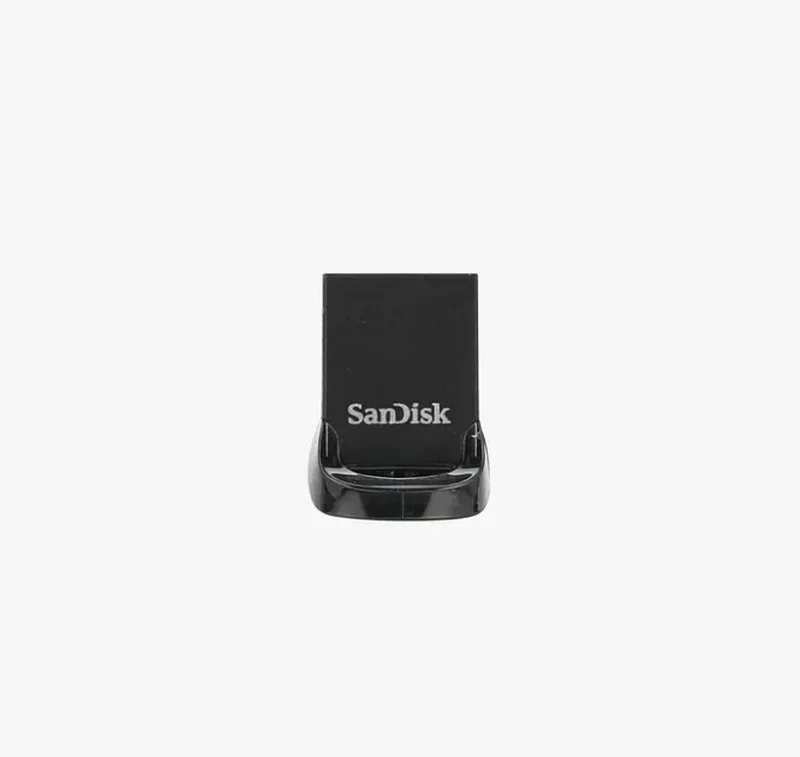
The H2S features dual-band Wi-Fi (2.4 & 5 GHz, IEEE 802.11 a/b/g/n) for network printing and remote control via the Bambu Studio PC app and mobile app, though it lacks an Ethernet port, 802.1X support, a network kill switch, or a removable network module. It also includes 8 GB of internal eMMC storage and a USB port; inserting a USB flash drive (USB 2.0+, ≥10 MB/s write, FAT32/exFAT, one drive only) enables LAN printing, file transfers from Bambu Studio, log exports, and time-lapse recording, while the printer can still run jobs from internal storage without a USB inserted.
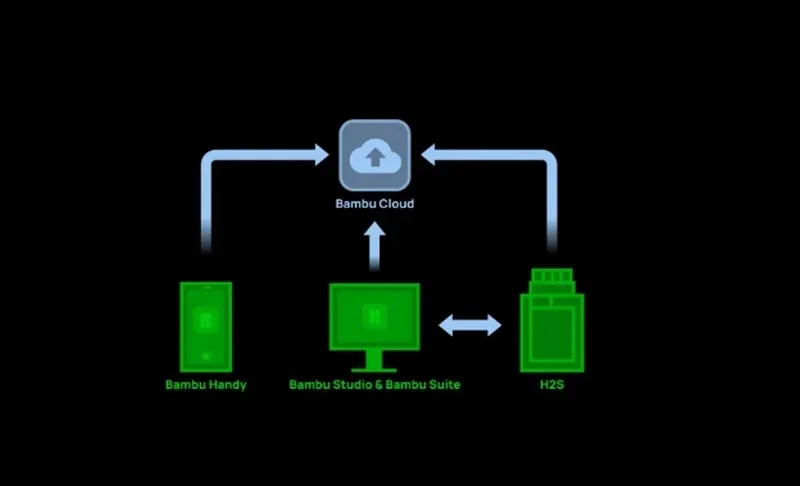
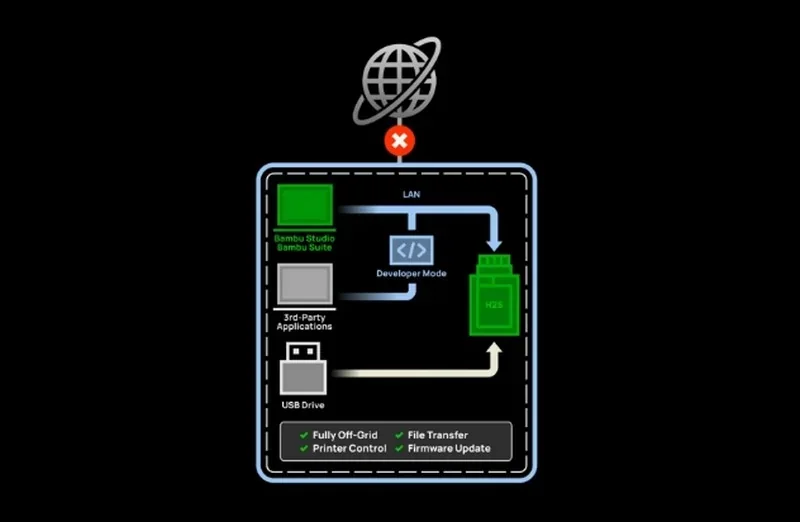
The printer supports both cloud-based and fully offline operation, including offline firmware updates.
Integrated cameras include a 1920×1080 chamber camera and a 1600×1200 toolhead camera, with a 3264×2448 Bird’s-Eye camera on the Laser Edition. They support on-device monitoring and remote viewing via apps.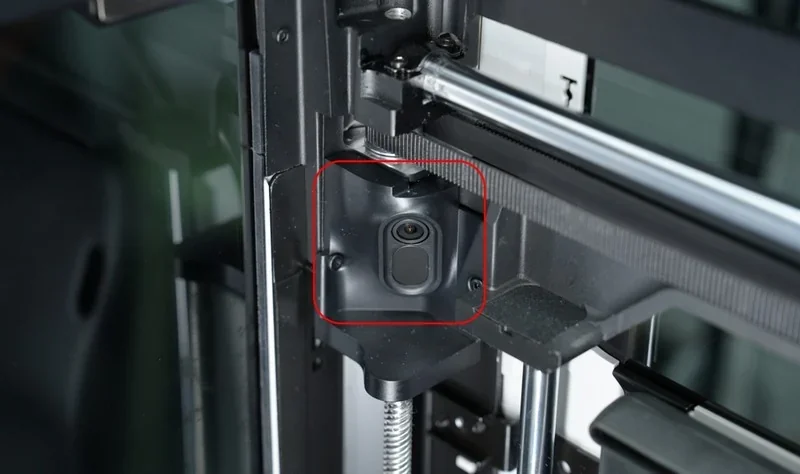
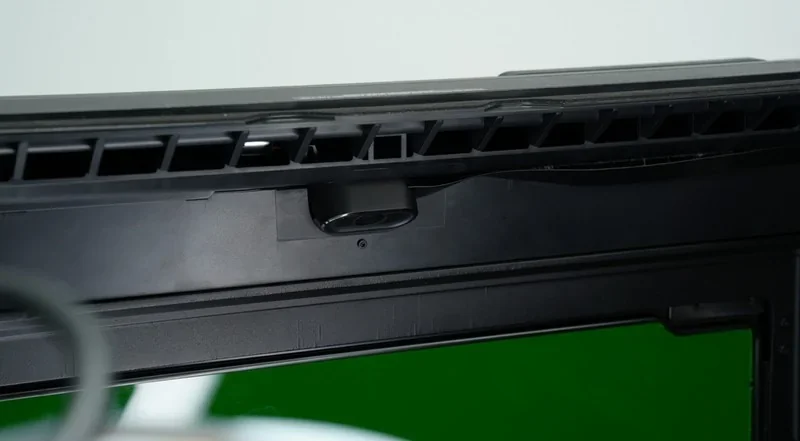
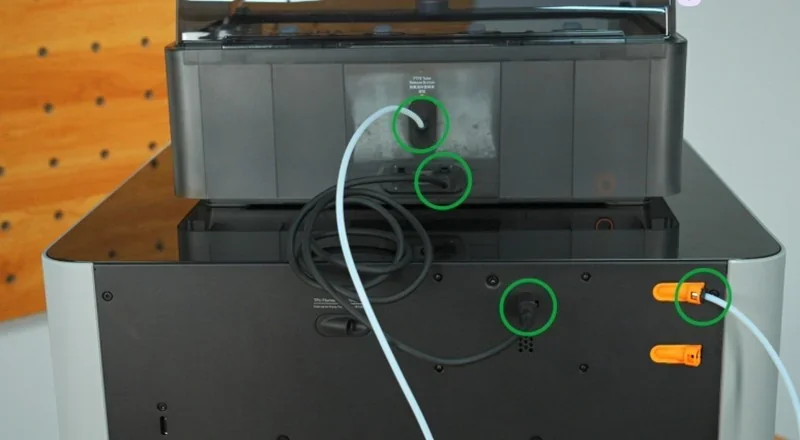
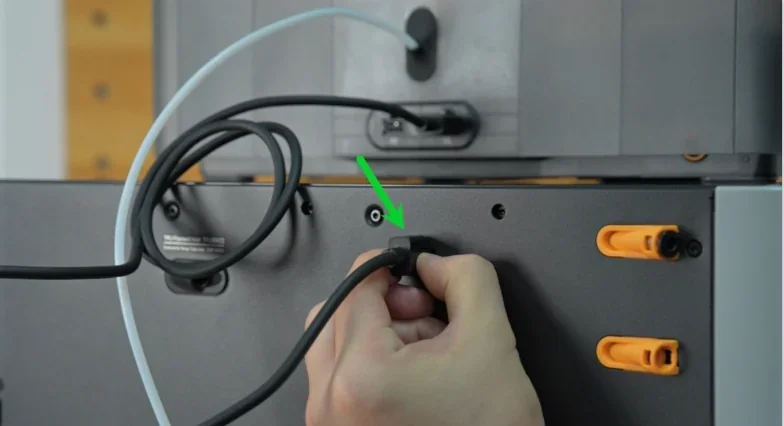
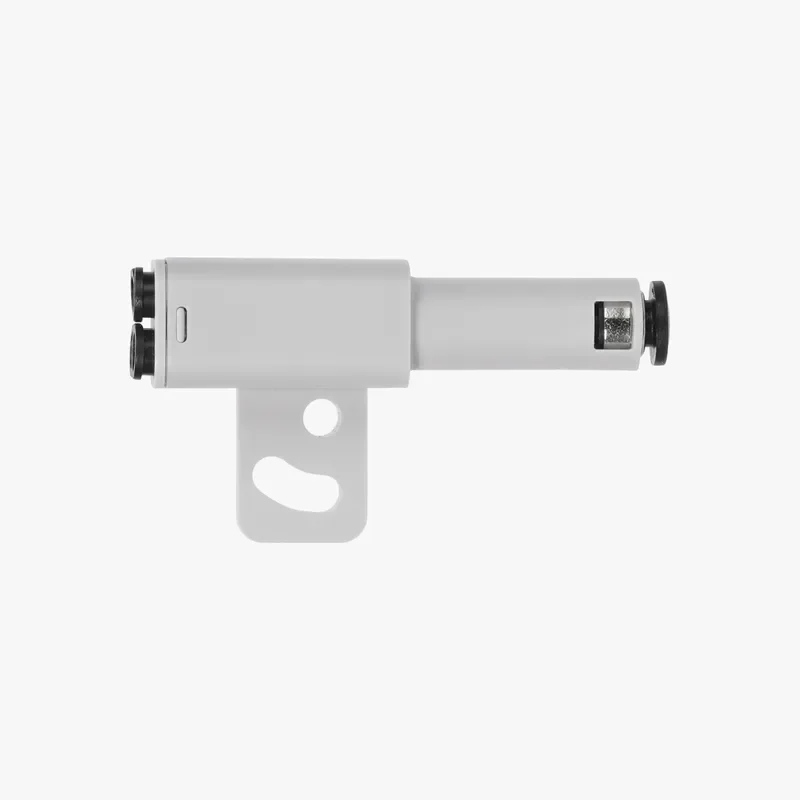
For accessory links, the rear panel provides a 6-pin AMS interface plus two reserved 4-pin ports used by expansion accessories (e.g., the external air pump when upgrading a non-laser unit to Laser). For developer workflows, Developer Mode exposes MQTT access while the system still supports fully offline operation (file transfer/firmware updates without internet).
What software is offered with the Bambu lab H2S?
Software offered with the Bambu Lab H2D: Bambu Studio, Bambu Handy, and Bambu Suite.
- Bambu Studio (desktop slicer, PrusaSlicer-based): Runs on Windows, macOS, and Linux; includes the Bambu Network Plug-in for LAN/WAN job sending, remote control, and data sync.
Full Video Tutorial Playlist:
https://www.youtube-nocookie.com/playlist?list=PLFUVS59deIm2mawl3Zjk1XI9yp7H7955J
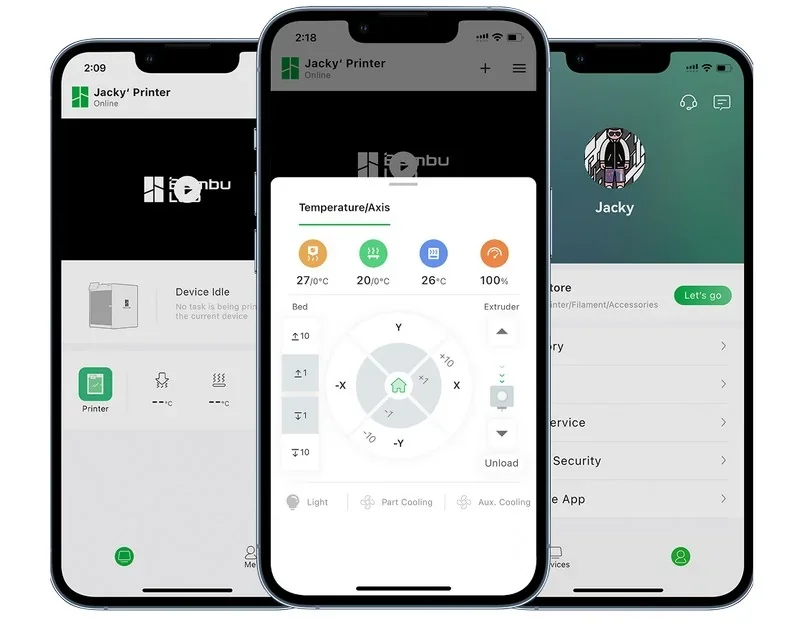
- Bambu Handy (mobile app): QR device binding, remote monitoring/control, reprints, notifications, and model transfer from your phone.
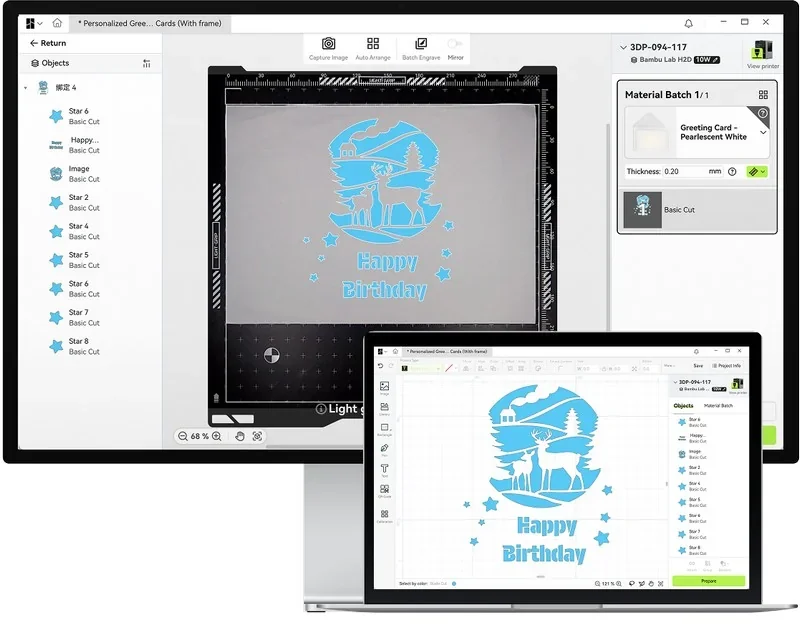
- Bambu Suite (2D/Hybrid workflows): Integrated design, vision alignment, toolpathing, and run control for laser, blade, and pen operations.
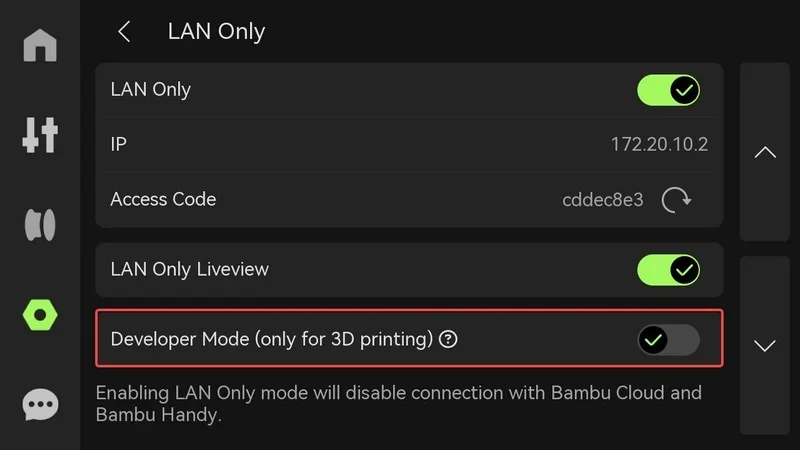
- Developer features: Developer Mode exposes MQTT for custom integrations; automatically disabled during laser/cutting for safety.
What is the design and build quality of the Bambu lab H2S?
What is the design and form factor of the Bambu Lab H2S?
- Fully enclosed aluminum-and-steel chassis with plastic outer shell;
- Laser Edition adds laser safety windows.
- External dimensions 492 × 514 × 626 mm;
- Net weight 30 kg;
- Integrated LED light strips.
What is the motion system of the Bambu Lab H2S?
The H2S features a CoreXY gantry with a Z-axis driven by three lead screws connected to a single stepper via belt.
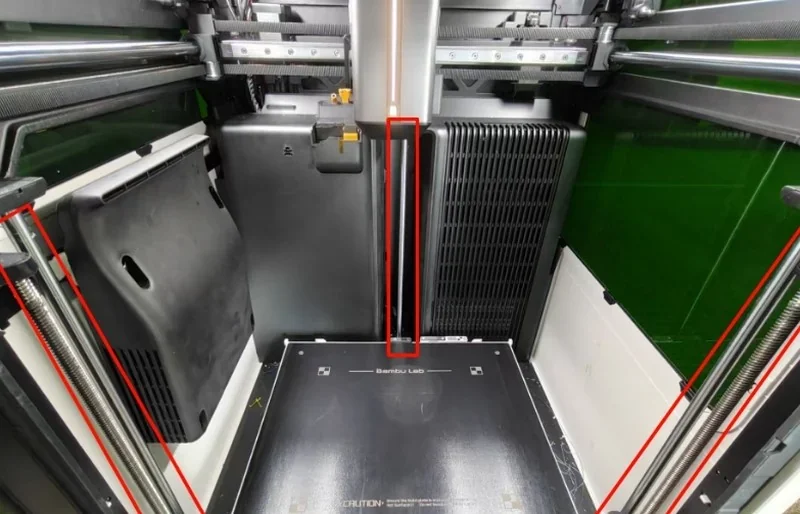
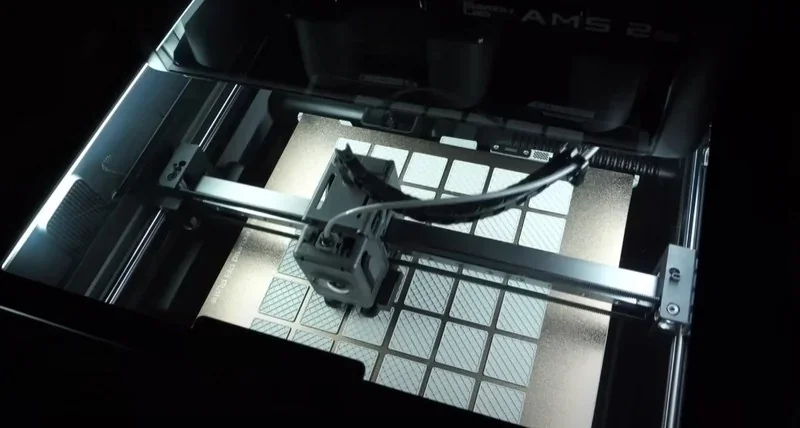
The X-axis uses a linear guideway, the Y-axis uses linear rods, and a Belt Tension Monitor (BTM) provides real-time feedback on belt tension.
What are the build platform specifications of the Bambu Lab H2S?
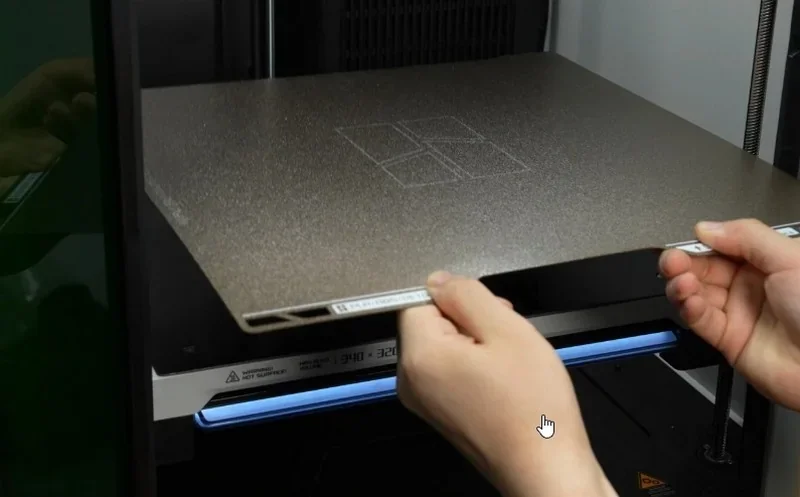
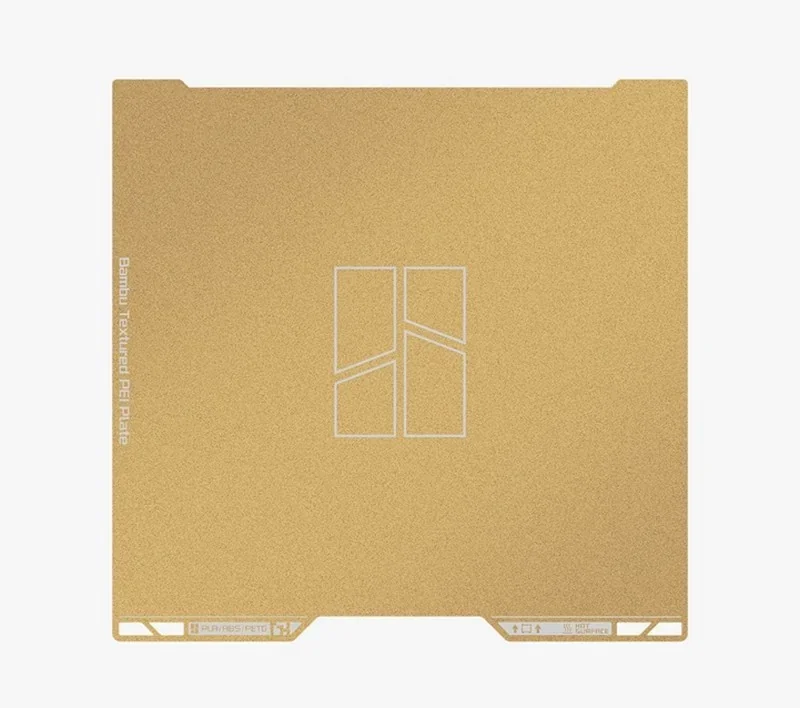
The heated bed measures 340 × 320 × 340 mm, and reaches up to 120 °C and supports both Textured and Smooth PEI Plates, with cross-compatible build plates between the H2S and H2D models.
What is the hotend and extruder system of the Bambu Lab H2S?
The standard hotend sustains ≈40 mm³/s flow (or ≈65 mm³/s with the High-Flow hotend).
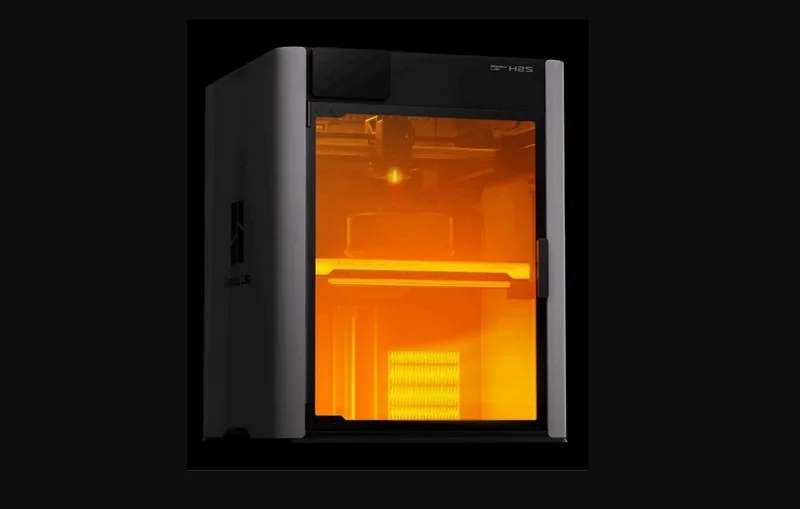
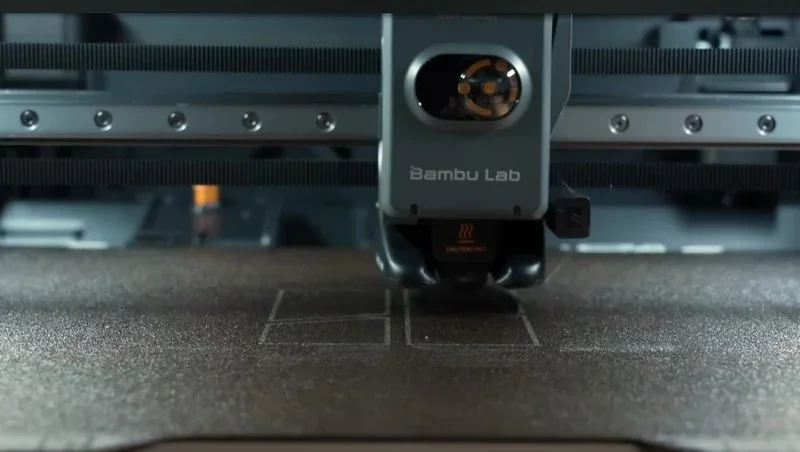
The all-metal hotend with a hardened-steel nozzle (0.4 mm included; supports 0.2/0.4/0.6/0.8 mm) is rated up to 350 °C and paired with a direct-drive extruder powered by a Bambu Lab high-precision Permanent Magnet Synchronous Motor (PMSM); a built-in filament cutter is also included.
How does the Bambu Lab H2S handle filament storage and feeding?
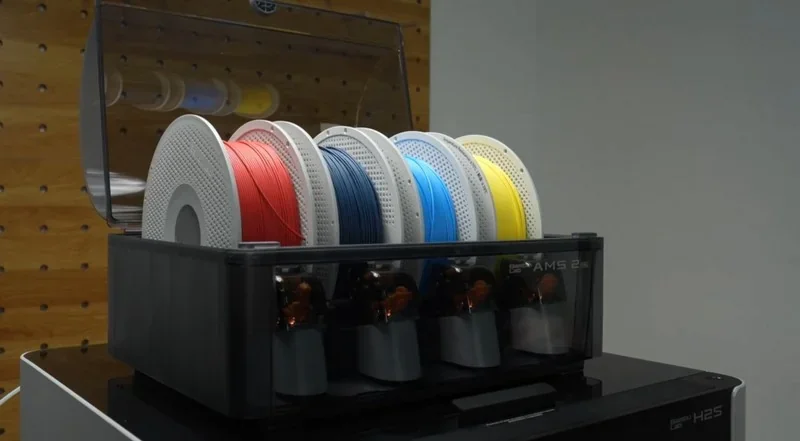
The H2S natively supports AMS 2 Pro and AMS HT through its built-in buffer and rear filament coupler; the buffer includes Hall-sensor-based filament detection and tension management.
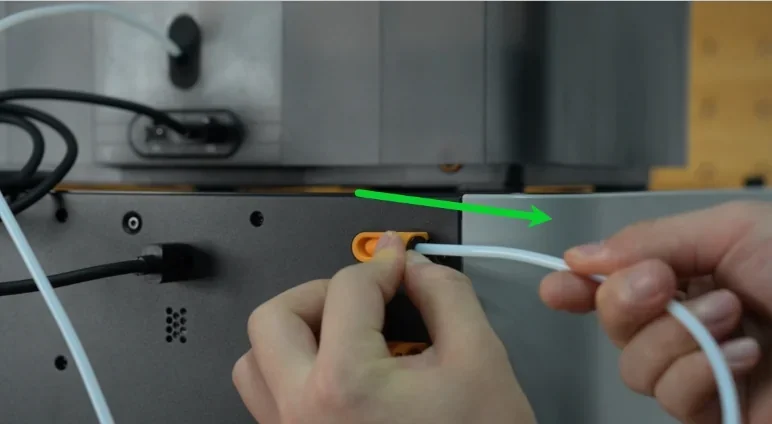
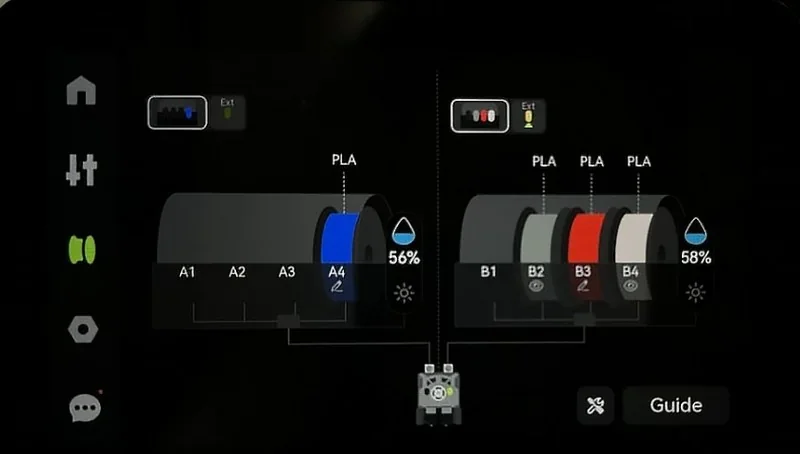
The H2S is compatible with the first-generation AMS (without AMS drying) but not with AMS Lite, and supports up to 4× AMS 2 Pro or 8× AMS HT for a total of 24 filament slots and up to 24-color printing.
A direct rear feed through the coupler is available for stiff or brittle filaments, while TPU uses a separate rear port to bypass the standard path when needed.
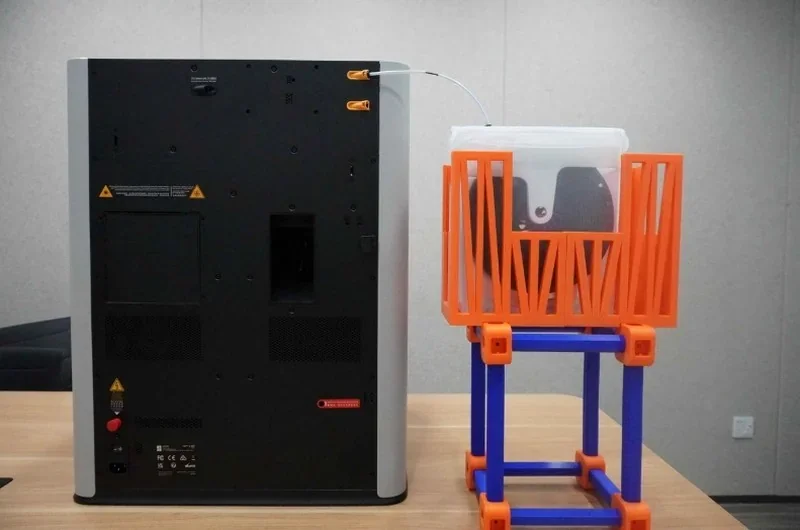
What is the mainboard of the Bambu Lab H2S?
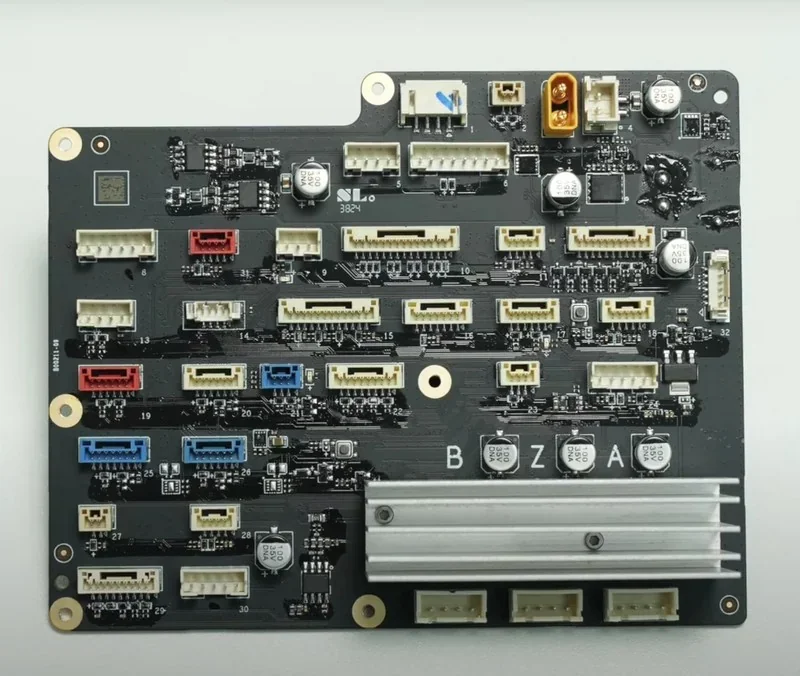
Two-board architecture: an AP Logic Main Control Board (quad-core CPU for UI/AI features and comms) and an MC Motion Control Board (dual-core M4 MCU + single-core M7 MCU with integrated stepper drivers) managing XYZ motion, temperature control, chamber status, and airflow/vent systems.
What are the power supply specifications of the Bambu Lab H2S?
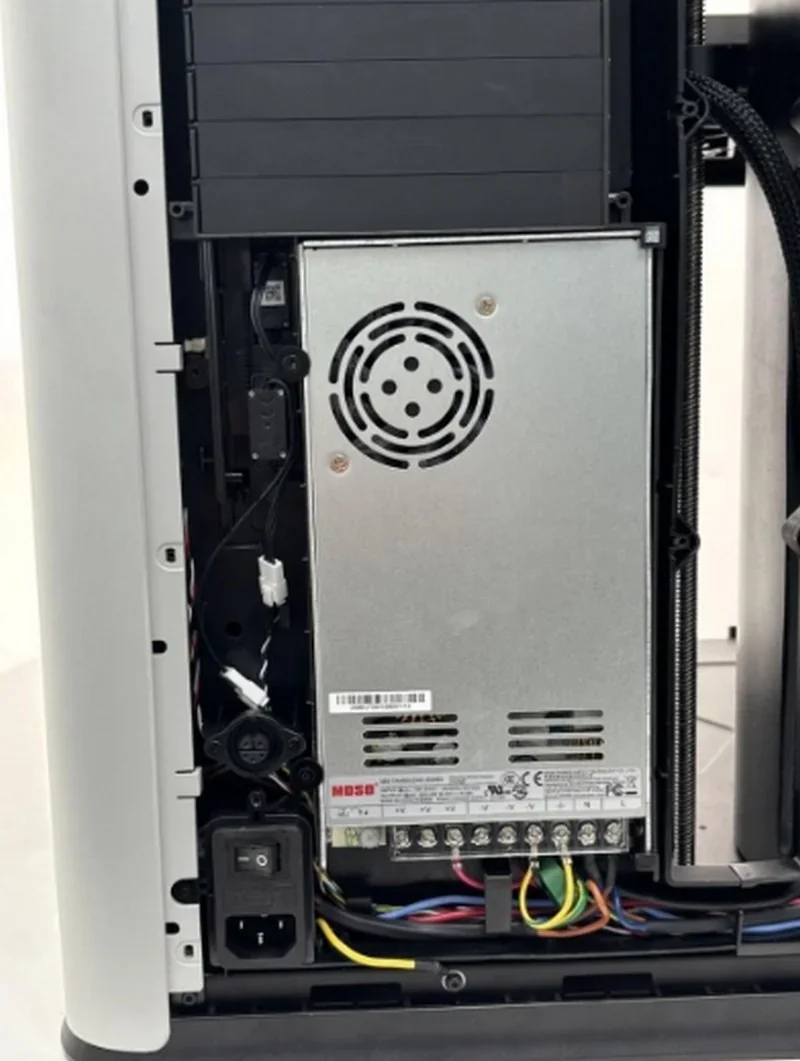
Input 100–240 V AC, 50/60 Hz, 20 A (110 V)/10 A (220 V); maximum power 2050 W @ 220 V or 1170 W @ 110 V.
What comes included in the box with Bambu Lab H2S?
Base Version:
- Printer: 1× Bambu Lab H2S.
- Build surface: 1× Textured PEI Build Plate.
- Spool handling: 1× Spool Holder.
- Safety: 1× Safety Key.
- Tool Kit (nozzle cleaning needle; lubricating grease; lubricating oil; scraper; hex keys; Phillips screwdriver; screwdriver socket bits; pliers; tweezers)
- Microfiber Cloth
- Nozzle Wiping Pad
- USB 3.0 Male-to-Male Data Cable
- Bambu Filament Stand with Drying Function
- Power Cord
- Quick Start Guide
- Disclaimer & Safety Guidelines
- Warranty Leaflet
H2S AMS Combo
- 1× Bambu Lab H2S 3D Printer (Base Version)
- 1× AMS 2 Pro, including the items below:
- Smoke Ventilation Pipe
- Exhaust Pipe Adapter
- Pipe Clamp
- Screws (1× set)
- Air Pump Intake
- PTFE Tubes (2×)
- 6-pin Cable
- Printer Power Cord
H2S Laser Full Combo (AMS included)
- 1× H2S Laser Edition 3D printer body (includes Emergency Stop Button (installed), green laser-safety windows.)
- 1× AMS 2 Pro Pack
- Laser Add-ons Pack (1× set): Laser Platform, Cutting Platform, Laser Slats Pack, Laser Homing Area XY & Z Marker, Vision Encoder Calibration Plate, Safety Keys (2×: one attached to the rear board, one on the Emergency Stop Button).
Assembly state: Ships fully assembled; unpack, power on, and run the guided initialization.
Note: A USB flash drive is not included; the printer has internal storage and supports external USB drives that meet the stated specs if needed.
What upgrades and accessories are available for the Bambu Lab H2S?
| Accessory | Function | Price (USD) | Image |
|---|---|---|---|
| Bundle options (package add-ons) | |||
| H2S AMS Combo | Bundle option. Includes: Bambu Lab H2S; AMS 2 Pro; Textured PEI Build Plate; Spool Holder; Accessory Box; Safety Key. | $300 | 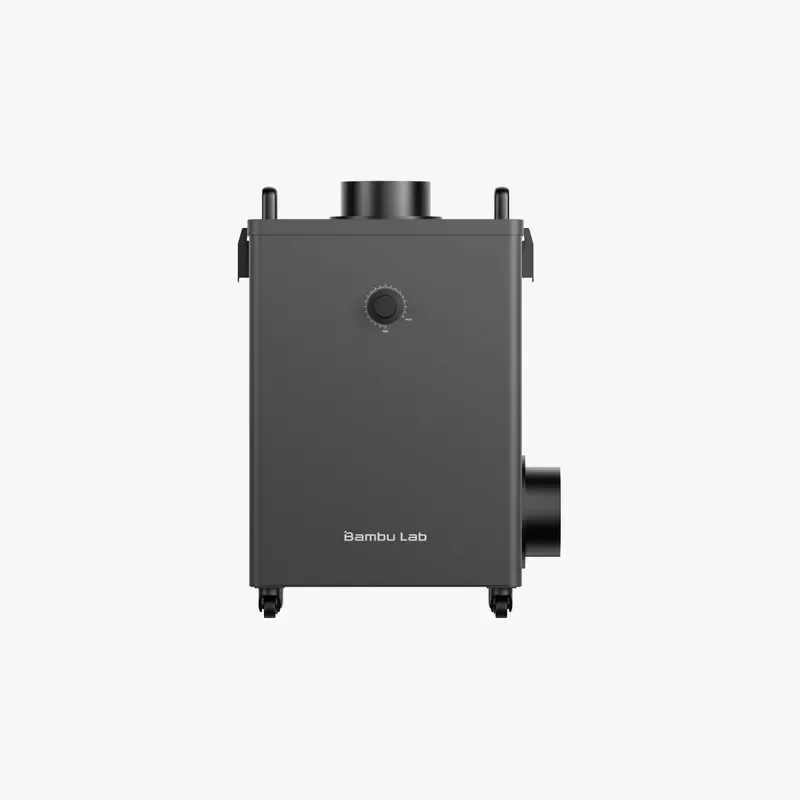 |
| H2S Laser Full Combo | Bundle option. Includes: Bambu Lab H2S Laser Edition; AMS 2 Pro; 10W Laser Module; Cutting Module (with Pen Holder); Laser Platform; Cutting Platform; Safety Key; Ventilation Pipe; Laser and Cutting Materials; Emergency Stop Button; Textured PEI Build Plate; Spool Holder; Accessory Box. | $1,025 | 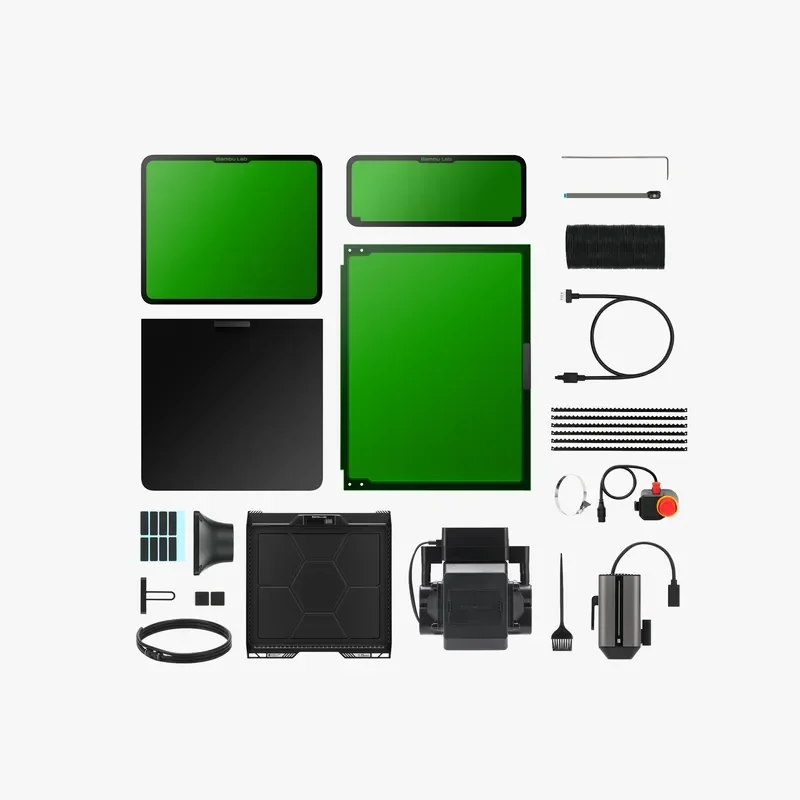 |
| Hotends, nozzles, and encoder components | |||
| Bambu Hotend - H2/P2S | Replacement hotend for H2/P2S (left side), configured as Standard Flow with a 0.2 mm Stainless Steel setup. | $21 | 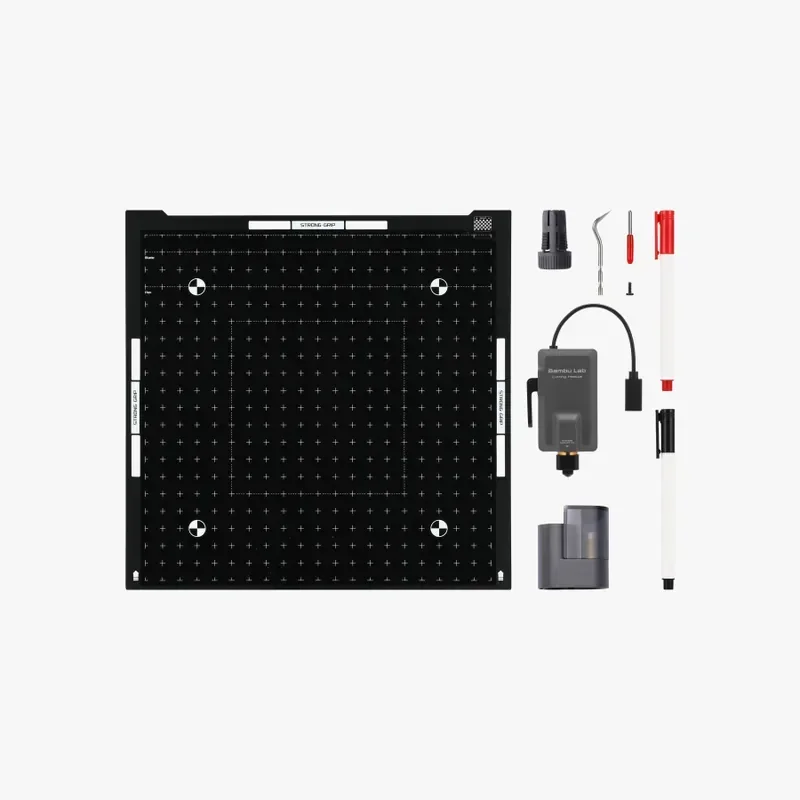 |
| Tungsten Carbide Nozzle - H2/P2S | 0.4 mm Wear Resistant Tungsten Carbide Nozzle for H2/P2S. | $58 | 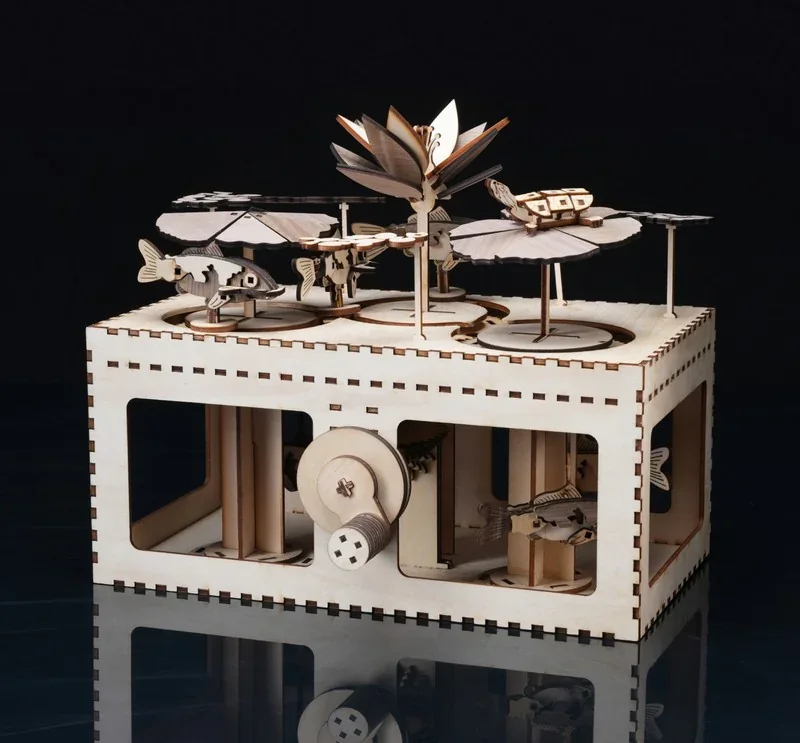 |
| Vision Encoder (H2 Series) |
Bambu Lab Vision Encoder is a calibration tool for Bambu Lab H2 Series printers that delivers <50 μm XY motion accuracy for weeks after a ~5-minute calibration, improving dimensional precision, especially on large prints. |
$95 | 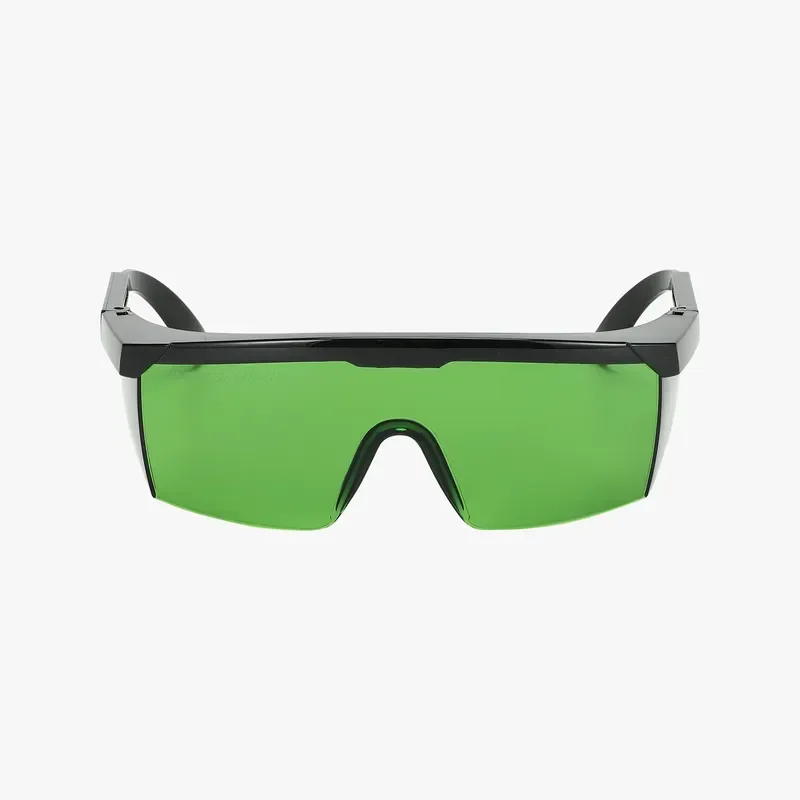 |
| Build plates | |||
| Bambu Engineering Plate | Build plate for High-Temp Filaments. | $60 | 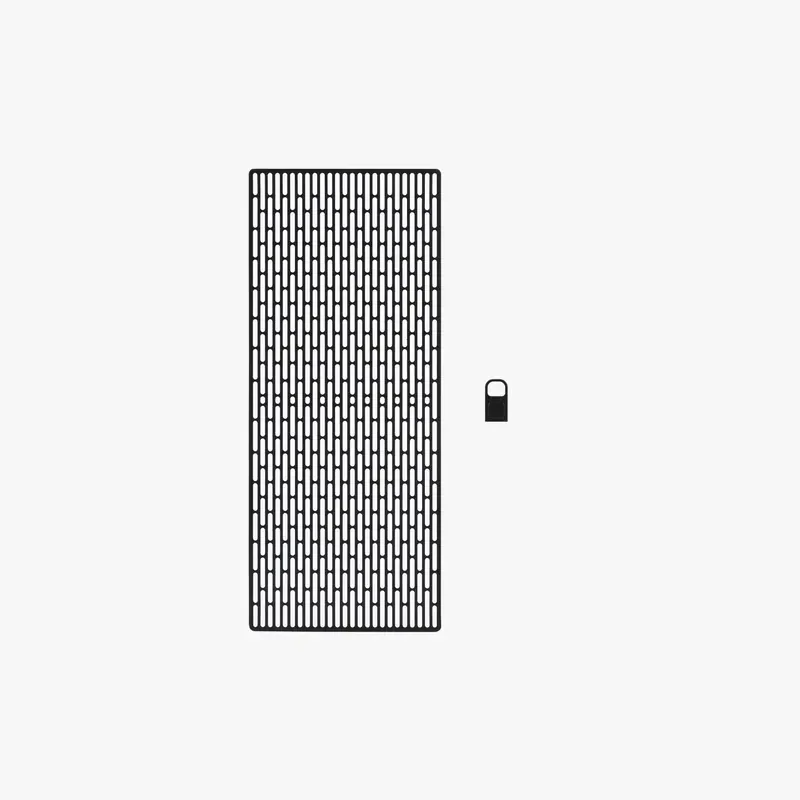 |
| Bambu Cool Plate SuperTack Pro | Build plate for PLA and PETG. | $60 | 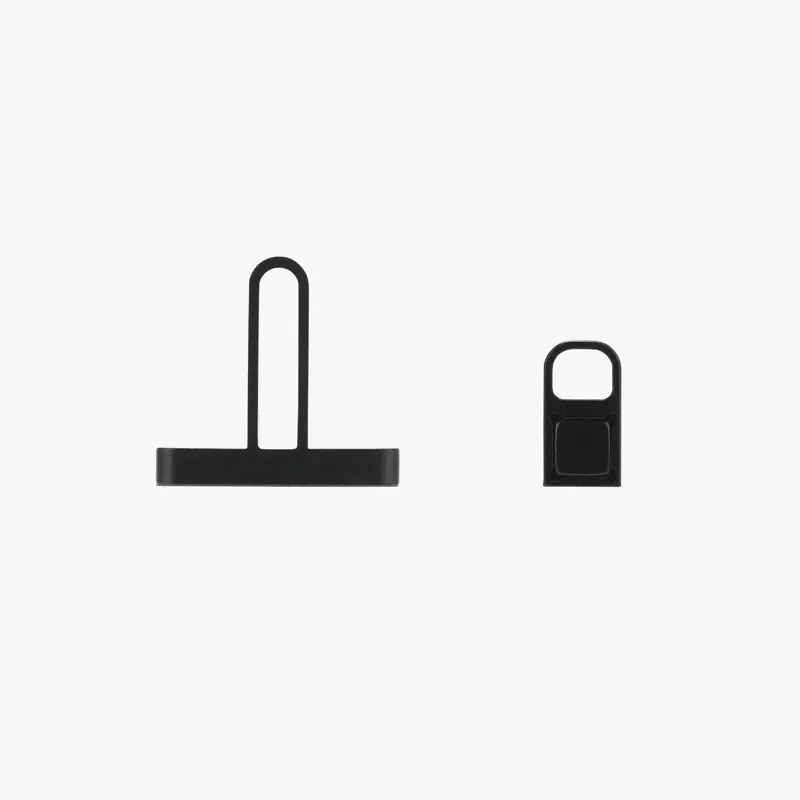 |
| Laser and cutting material kits | |||
| Laser Material Kit – Starter Pack (49 pcs) - ZH092 | Laser Material Kit starter pack (49 pcs). | $93 | 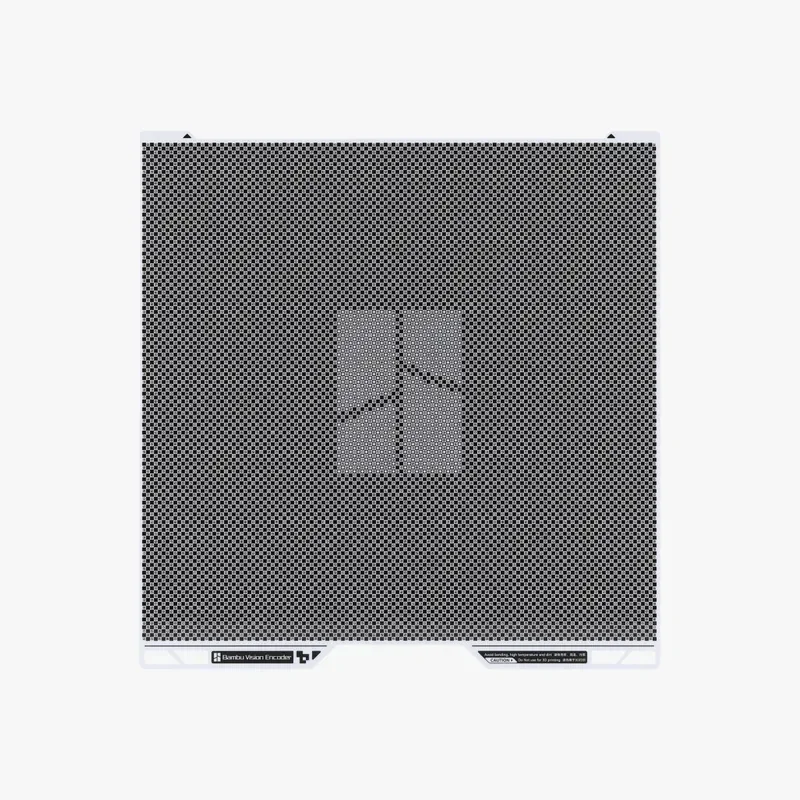 |
| Cutting Material Kit - Starter Pack - ZE004 | Cutting Material Kit starter pack. | $56 | 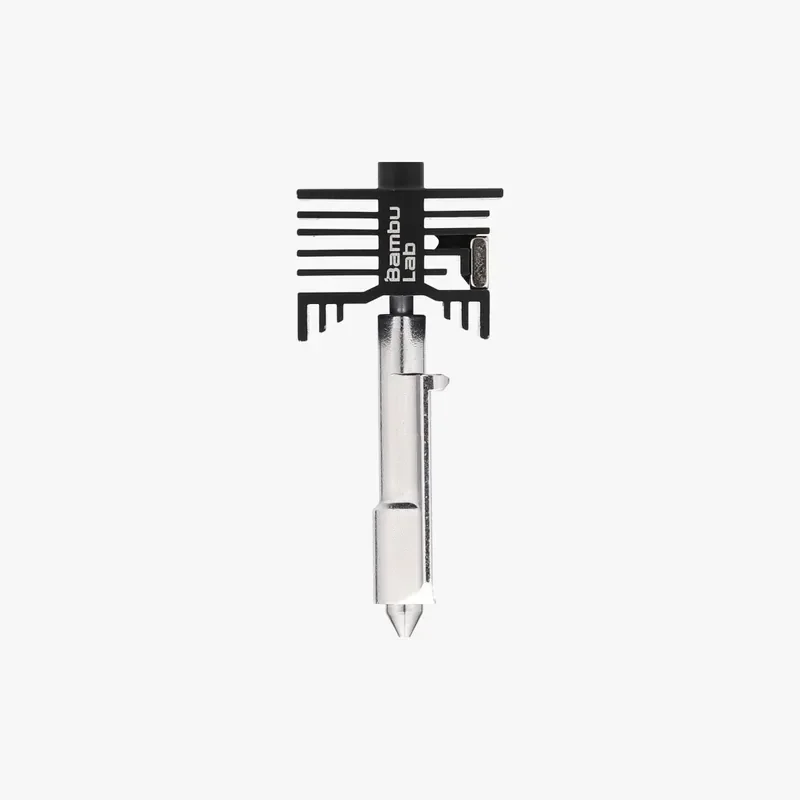 |
What maintenance does the Bambu lab H2S require?
The Bambu Lab H2S requires over 17 maintenance procedures to maintain print quality, smooth motion, and safe filtration/laser operation on weekly, monthly, quarterly, and spool-based intervals.
These include:
Weekly
- Extruder gear: inspect for dust and clean the extruder unit; replace the gear if wear is found.
Monthly
- X-axis linear guideway: wipe clean and re-oil after cleaning.
Every 3 months
- Exterior & screen; heatbed (surface and edge markers for camera recognition); toolhead (including front cover, cable chain, PTFE coupler); part-cooling fan; left/right inner linings; enclosure top frame; left/right side panels.
- Cameras & sensors: clean Toolhead camera, Live-view camera, Bird’s-Eye camera, and Flame Sensor with lightly alcohol-dampened, lint-free cloth.
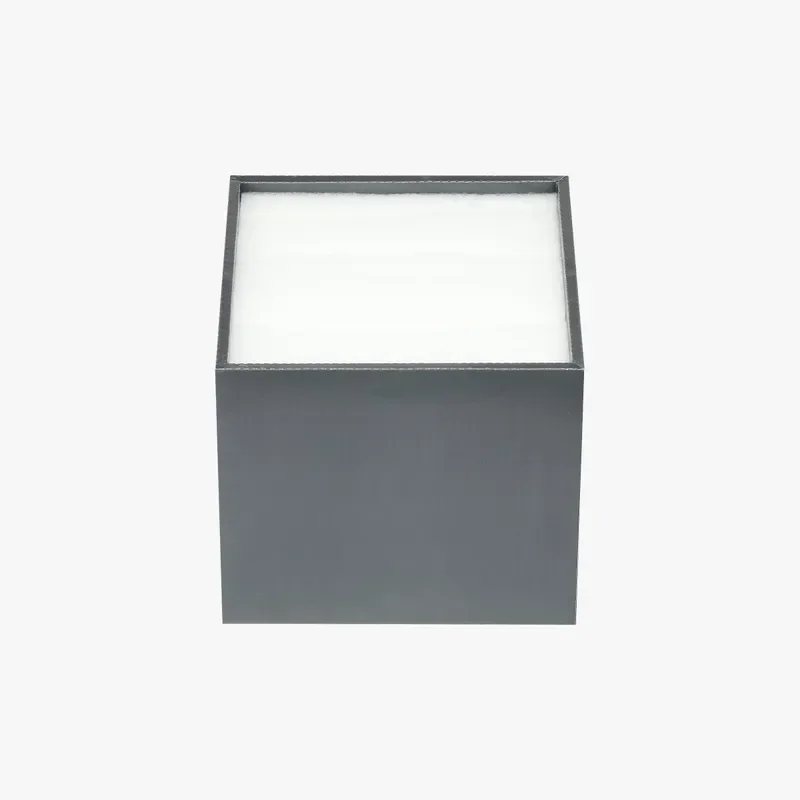
- Filtration & exhaust path: clear activated-carbon filter cover and exhaust grille; remove accumulated dust from the filter cover and exhaust grille on the back.
- Motion system: clean Y-axis linear rods (re-oil) and Z-axis lead screw + linear rods (re-grease).
Spool-based (usage-dependent)
- Filament cutter blade: check every 3–5 spools of standard filaments (PLA/PETG/ABS/PC) and 1–2 spools of abrasive filaments (PA+CF/PA+GF); replace if dull.
- Hotend cleaning: perform cold-pull after 5 spools of non-CF filaments or 2 spools of CF filaments; replace the hotend if leakage/wear persists after routine cleaning.
- Wear items: replace nozzle-wiper silicone and hotend silicone sock if damaged or not securely seated.
Laser-equipped units (when the 10 W module is installed)
- Expect more frequent chamber cleaning due to smoke; wipe the inner walls, front door, side panels, and toolhead air-duct/flow-blocker; then re-oil/grease linear guides/rods/screws after alcohol wiping.
- Clean camera lenses, flame sensors, heatbed markers, laser base marks, and parallelogram limit blocks to prevent image blur/recognition errors; follow the laser base/support-bar cleaning steps and remove the laser module for cleaning as instructed.
Automation & reminders
- The H2S evaluates internal pollution level by task type/duration and issues on-screen maintenance reminders; follow these prompts and the referenced laser-module maintenance guide when applicable.
Consumables, tools, and solvents
- Use 75% ethanol or 70% isopropyl alcohol with non-woven cloths; apply Lubricant Oil to linear guides/rods and Lubricant Grease to lead screws after cleaning; use a cleaning brush for filters, grilles, fans, and heat sinks.
What support and warranty come with the Bambu lab H2S?
Warranty Coverage:
Bambu Lab offers a limited warranty against manufacturing defects and failures not caused by the user. It excludes damage from misuse, third-party accessories, unofficial firmware, poor maintenance, accidents, and tampered serials. Claims must go through official Bambu Lab support channels.
Warranty Period:
- Consumers in the EU/Switzerland/Norway/Iceland: 2 years
- Companies in the EU/Switzerland/Norway/Iceland: 1 year
- Other regions (both consumers and companies): 1 year
- Dual Extruder Unit (excluding the Dual Extruder Gear Assembly), Dual Extruder Idlers and Filament Sensor, Laser Air Assist Tube Connector, Maker's Supply (including Hardware Kits, Maker's Supply Models, MakerLab Accessories, Maker Combo Kits, Hardware Parts, Electronics, Tools&Others): 3-month limited warranty
- Warranty starts from customer receipt date; replacements don’t reset this.
Not Covered:
Damage from unofficial firmware, improper use, lack of maintenance (e.g., laser cleaning), cosmetic wear, shipping damage without proof, or missing proof of purchase. Consumables have no warranty.
Support Access:
- 24/7 Live Chat for general/product/order issues
- Ticket system for shipping, accessories, and account support
- No phone support from the manufacturer, buy from Top3DShop for tailored support.
- All returns/repairs must be submitted through the official support site before sending items back
Self-Help Resources:
Guides and tutorials are available via Bambu Lab Wiki, Bambu Studio/Handy apps, and on-device QR codes:
- https://wiki.bambulab.com/en/h2d
- https://support.bambulab.com/en?from=6&lang=en
How much does the Bambu lab H2S cost?
The price of the Bambu Lab H2S is $1,559.00.
Other configurations (percentage vs. base):
- H2S AMS Combo — adds AMS 2 Pro for multi-material printing (RFID sync + integrated drying): ≈ +20%.
- H2S Laser Full Combo — upgrades to H2S Laser Edition and includes 10 W Laser Module, Cutting Module (with Pen Holder), Laser Platform, Cutting Platform, Emergency Stop Button, ventilation pipe, and related safety accessories: ≈ +68%.
Value proposition: Even the base H2S delivers a 340 × 320 × 340 mm build volume, 350 °C nozzle, and 65 °C active chamber, with closed-loop extrusion control, AI monitoring, and optional Vision Encoder for sub-50 μm motion accuracy—providing large-format, high-speed capability in a single-nozzle platform.