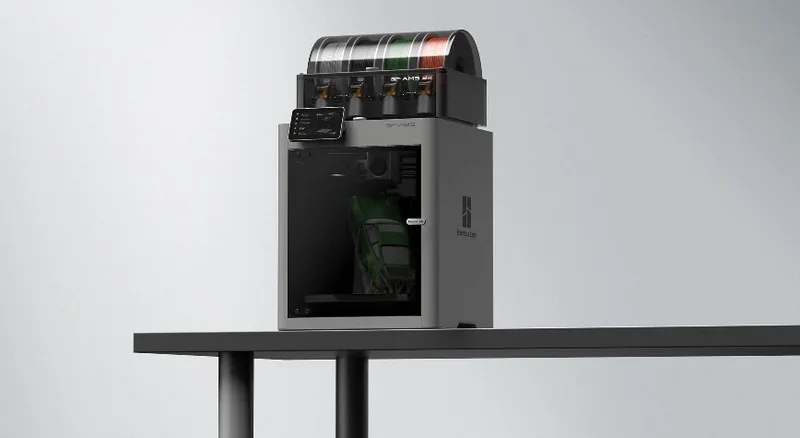
Bambu Lab P2S 3D Printer (AMS, Mid-Range)


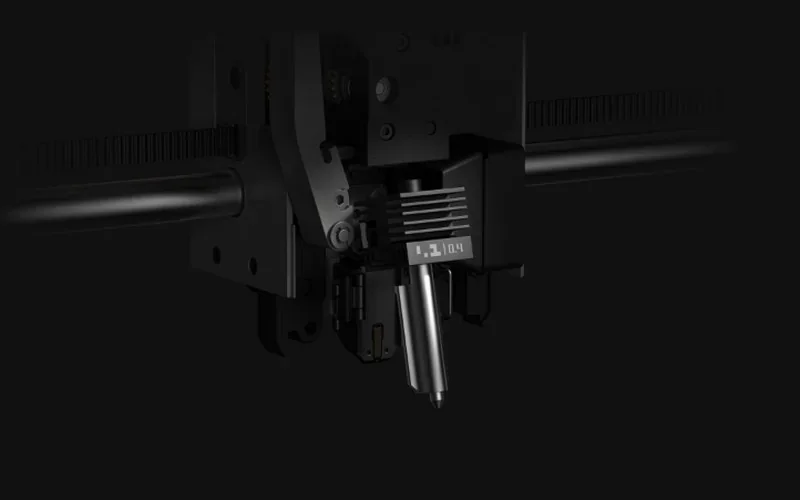
- 30-second hotend quick-swap system
- Active Flowrate Compensation via eddy-current sensor
- Adaptive Airflow System with 50°C chamber
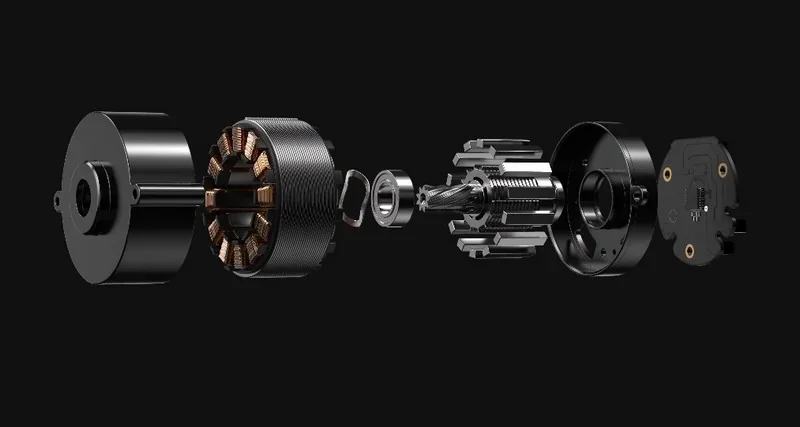
- PMSM servo extruder with 20 kHz monitoring
- Flexible Payment Terms
- 1 Year Warranty
- Local Technical Support
- Free Online Training
- Bambu Lab P2S Printer
- Textured PEI build plate
- Spool Holder Assembly
- Tool/Accessory Box
Bambu Lab P2S is a fully enclosed Fused Deposition Modeling desktop 3D printer with a 256 × 256 × 256 mm build volume, designed around a 300 °C hardened-steel hotend with 30-second quick-swap, a PMSM “DynaSense” servo extruder (up to 8.5 kg force with 20 kHz monitoring), and Active Flowrate Compensation via an eddy-current pressure sensor for consistent extrusion; its Adaptive Airflow System switches between external cold-air intake and sealed heat-preserving, carbon-filtered circulation (≈50 °C chamber readiness), while a 1080P High-Rate Camera and on-device AI Error Detection (Start Check, Spaghetti, Nozzle Clumping, Purge Chute Jam) provide visual oversight—controlled from a 5-inch Touch Screen (2nd-Gen UI) and expandable with AMS 2 Pro for multi-color printing and filament drying.
- What is the print quality and performance of the Bambu Lab P2S?
- Which thermoplastic filaments can you use with the Bambu Lab P2S?
- What is the build volume of the Bambu Lab P2S?
- What is the difference between the Bambu Lab P2S, Bambu Lab X1 Carbon, Bambu Lab P1S, Bambu Lab P1P, Bambu Lab A1 mini, Creality K1 Max, Prusa Core One, FlashForge Adventurer 5M and Bambu Lab H2S?
- What printer controls are available on the Bambu Lab P2S?
- What connectivity options are available on the Bambu Lab P2S?
- What software is offered with the Bambu Lab P2S?
- What is the design and build quality of the Bambu Lab P2S?
- What comes included in the box with Bambu Lab P2S?
- What upgrades and accessories are available for the Bambu Lab P2S?
- What maintenance does the Bambu Lab P2S require?
- What support and warranty come with the Bambu Lab P2S?
- How much does the Bambu Lab P2S cost?
What is the print quality and performance of the Bambu Lab P2S?
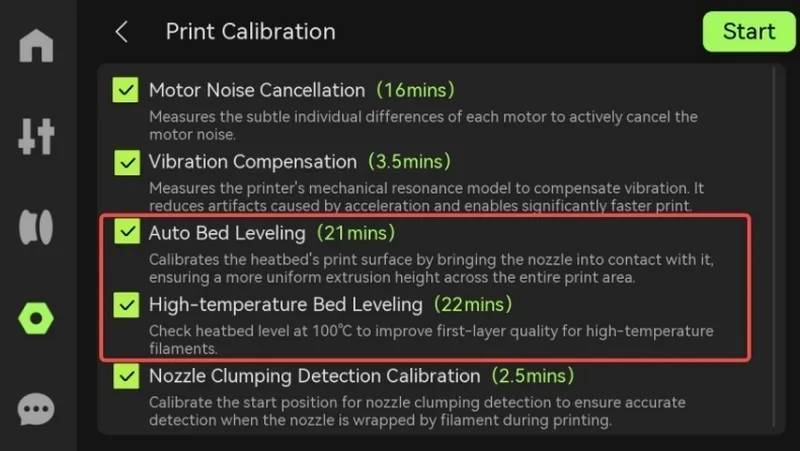
The Bambu Lab P2S delivers smooth surfaces, strong layer adhesion, and stable dimensions with consistent extrusion at high flow, leveraging Active Flowrate Compensation (eddy-current sensor), a 300 °C hardened-steel hotend, a PMSM “DynaSense” servo extruder (up to 8.5 kg force, 20 kHz sensing), Adaptive Airflow for cooling/heat-preserved chambers, and automated calibrations (ABL + High-temp ABL, vibration/motor-noise tuning).
Consistent extrusion at corners and during fast flow changes. A high-frequency eddy current pressure sensor performs flow-dynamics calibration and the firmware actively compensates flow in real time to keep corners and walls uniform.
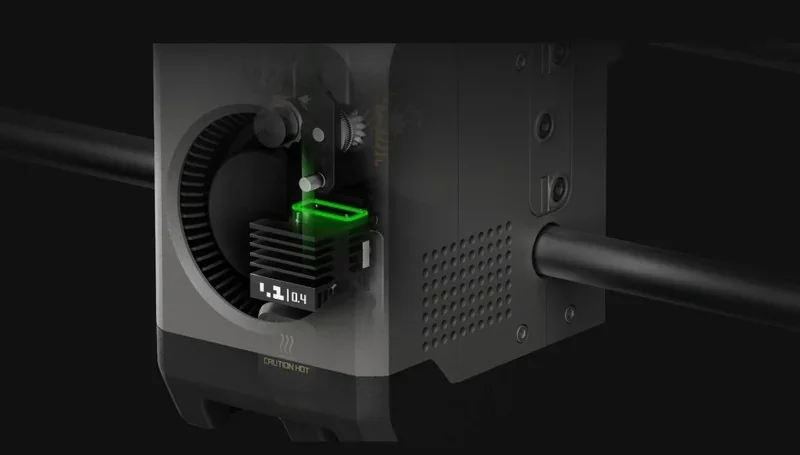
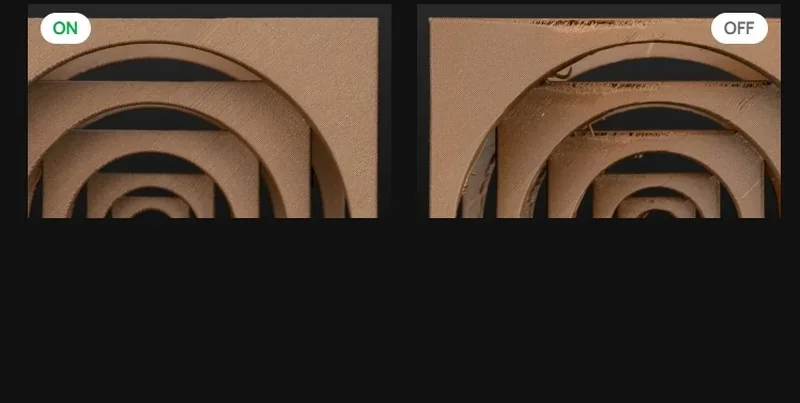
The PMSM “DynaSense” servo extruder provides up to 8.5 kg maximum extrusion force (≈70% more than the prior generation) while sampling resistance/position at 20 kHz to detect grinding/clogs.
Thermal control that protects surface finish and layer bonding. The Adaptive Airflow System has two modes:
- Cooling mode: draws cool outside air into the chamber so you can print low-temp filaments with the door closed and maintain overhang quality without hot-end heat creep.
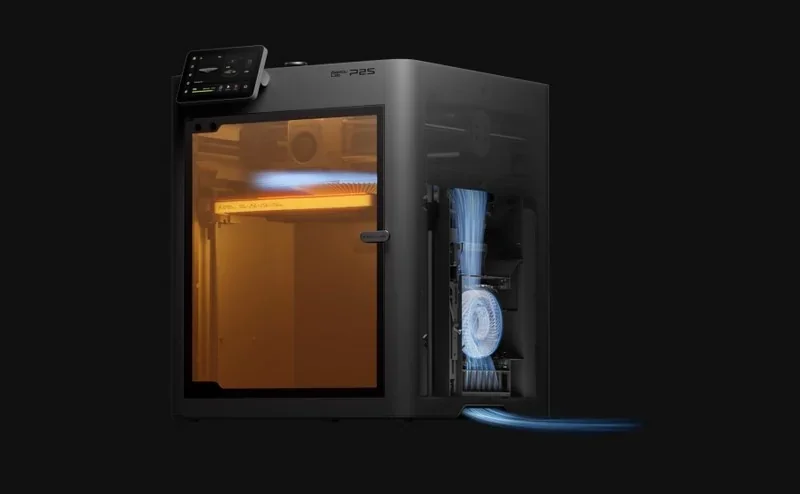
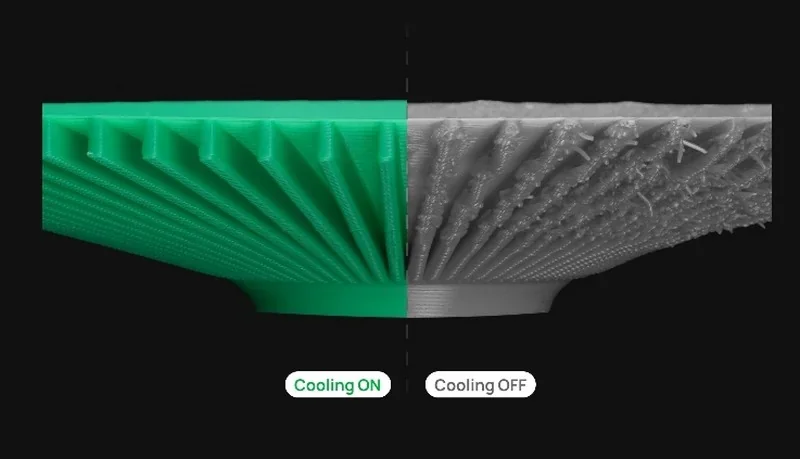
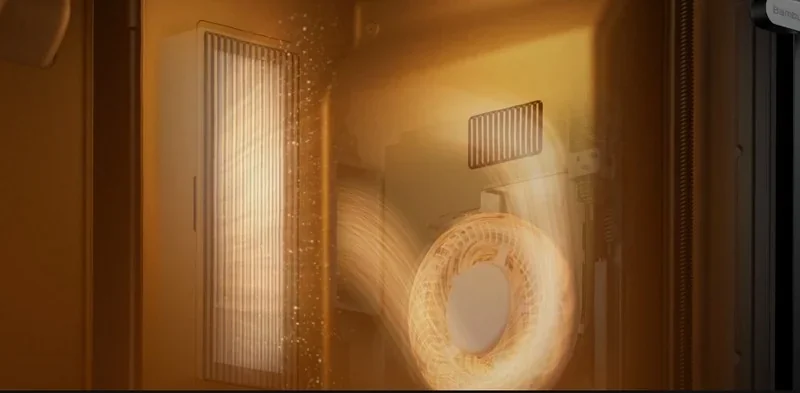
- Heat-preservation mode: forms an internal recirculation path through a high-performance carbon filter, supporting a ~50 °C chamber for engineering filaments prone to warping.
Visual monitoring that prevents defects from ruining parts. A built-in 1080p/30 fps live-view camera feeds the NPU for AI Error Detection (e.g., spaghetti, nozzle clumping, purge-chute jam), plus Start Check and Foreign Object Detection to stop bad starts and protect the toolhead.
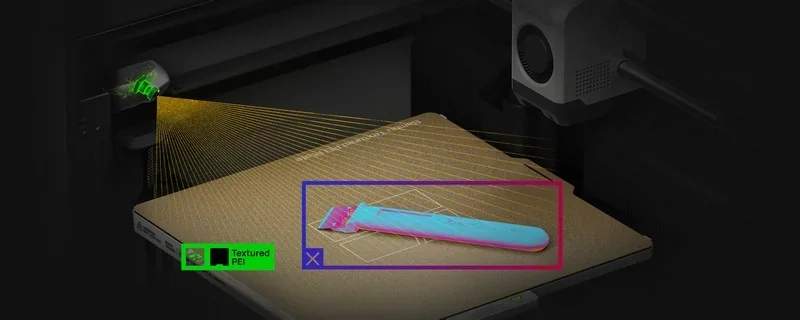
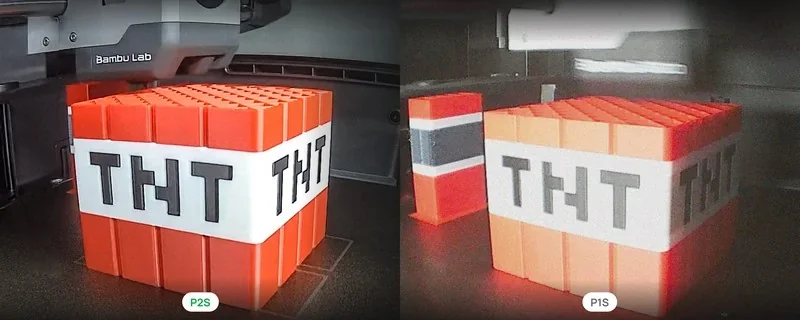
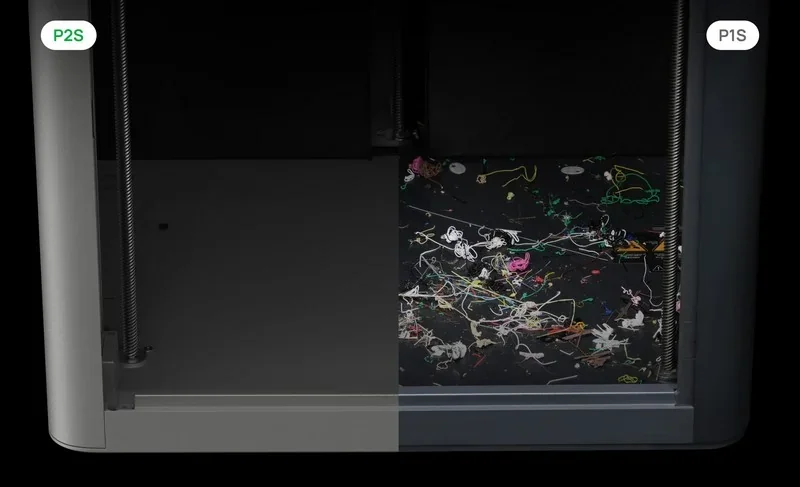
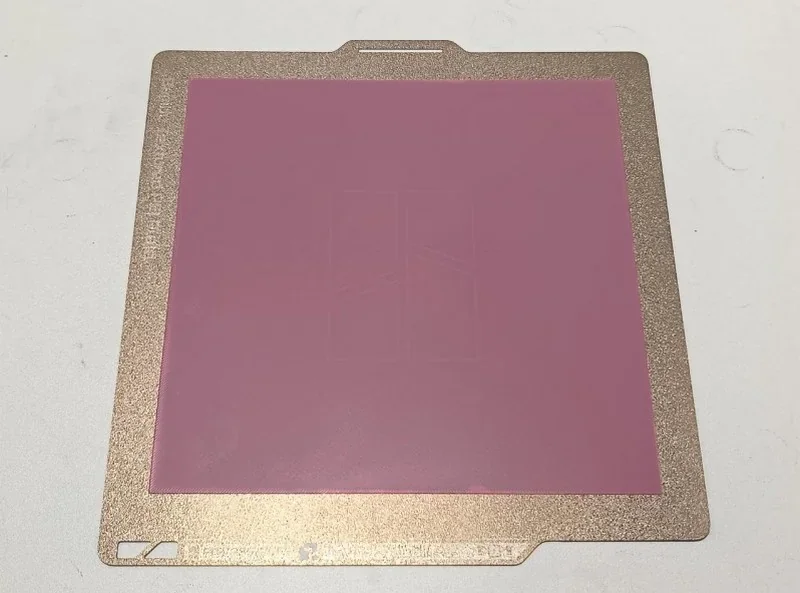
Bed temperature is auto-set by material (up to 110 °C) to balance adhesion and reduce warping—e.g., 35–45 °C for PLA, 100–110 °C for ABS/PC. The P2S achieves strong first-layer adhesion using Auto Bed Leveling, high-temp leveling, on-device calibration storage, nozzle wiping, and a textured PEI plate for easy part release after cooling.
Quick-swap hotend keeps results consistent. A one-clip 30-second nozzle swap removes the full hotend/heatsink assembly without unplugging wires—reducing downtime and variability after maintenance.
Print Samples:
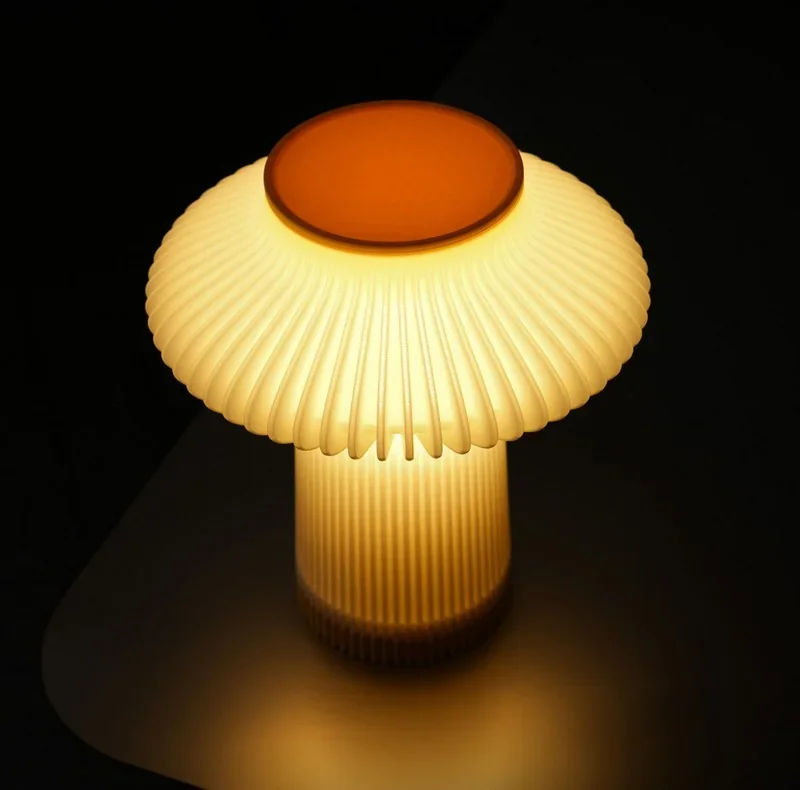
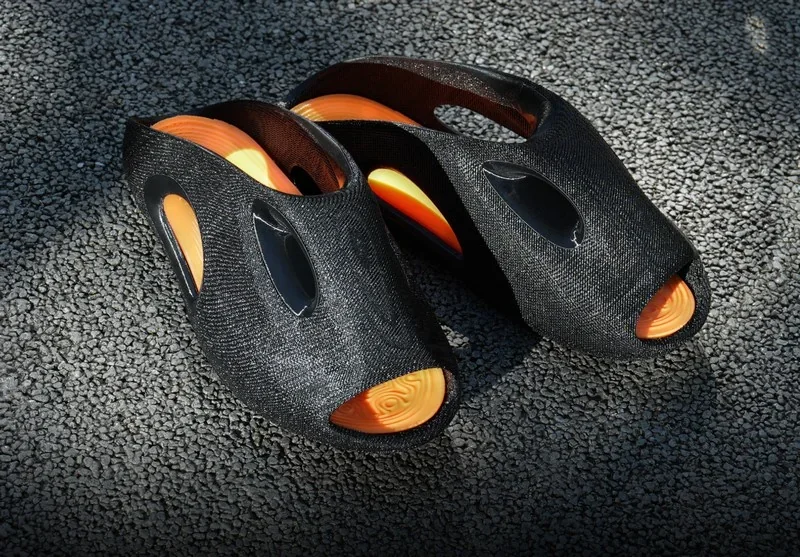
The P2S produced well-bonded PLA prints with clean surfaces: a matte green zombie hand (~6.5 h, 225 g), two tea-light pumpkins (translucent + sparkle purple PLA, ~5 h, 100 g) with strong adhesion and good light diffusion, and a gradient PLA ghost candy bowl (~6.5 h, 200 g with supports) that printed cleanly after support removal. One translucent PLA LEGO-style head at 150% scale (~12 h, 270 g planned) failed due to support detachment, but spaghetti detection stopped the print and reduced waste.
The P2S printed a clean PLA Benchy and KSR test with strong first layers, free-moving pins, no stringing, and minimal bridge sag. A PETG Voronoi deer showed good detail but visible VFAs on the X-axis during a speed-ladder test (0.12 mm layers, 4 walls, 25–400 mm/s). TPU (SainSmart) managed a retraction-heavy torture print with minimal stringing. ABS prints completed successfully, with clean support removal and slight under-extrusion. A long PC part showed minor warp (less than on P1S). PA6 had similar warp, rough top layers, and some stringing. PP-CF printed flat without warping.
The P2S printed a PLA Benchy with cleaner bridges, overhangs, seams, and a more uniform first layer than the X1C. The P2S produced strong, nearly solid PETG-CF caster parts with good interlayer fusion and acceptable bridges after added cooling. Parts showed crisp detail and reliable adhesion on SuperTac/textured PEI, with near-perfect success when supports were used. Multi-color PLA parts had sharp first-layer boundaries. ASA parts warped on thick, high-infill prints due to lack of chamber heat, but CF/GF-filled filaments stayed dimensionally stable.
Which thermoplastic filaments can you use with the Bambu Lab P2S?
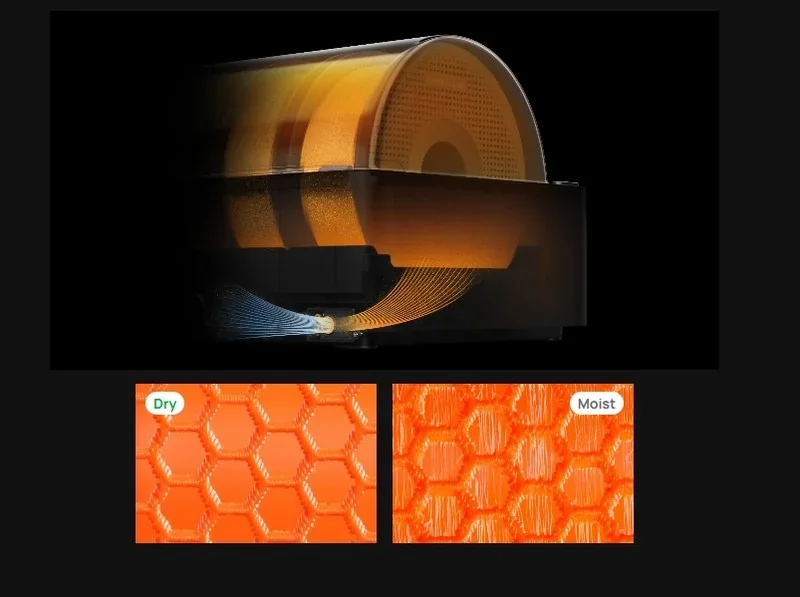
The Bambu Lab P2S supports over 21 materials, including common and engineering-grade filaments like PLA, PETG, ABS, ASA, TPU, PA, PC, and various carbon/glass fiber composites. It uses standard 1.75 mm filament instead of proprietary cartridges. For difficult materials, avoid feeding very flexible TPU (≤ 95A) or damp PVA/BVOH through the AMS 2 Pro—instead, feed TPU directly to the toolhead and dry moisture-sensitive supports beforehand. Its high-temp capability (300 °C nozzle, 110 °C bed) and enclosed chamber with Adaptive Airflow optimize performance across materials by adjusting airflow for cooling or internal heat retention. Pairing with the AMS 2 Pro also enables on-board filament drying, improving results with hygroscopic filaments like nylon and PVA.

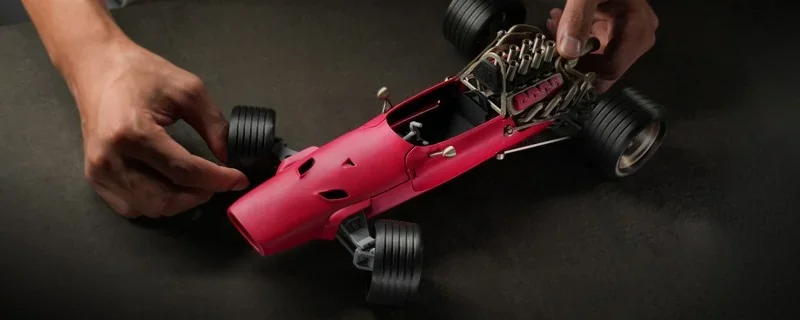
What is the build volume of the Bambu Lab P2S?
The Bambu Lab P2S has a 256 × 256 × 256 mm (W × D × H) build volume per the manufacturer’s specifications.
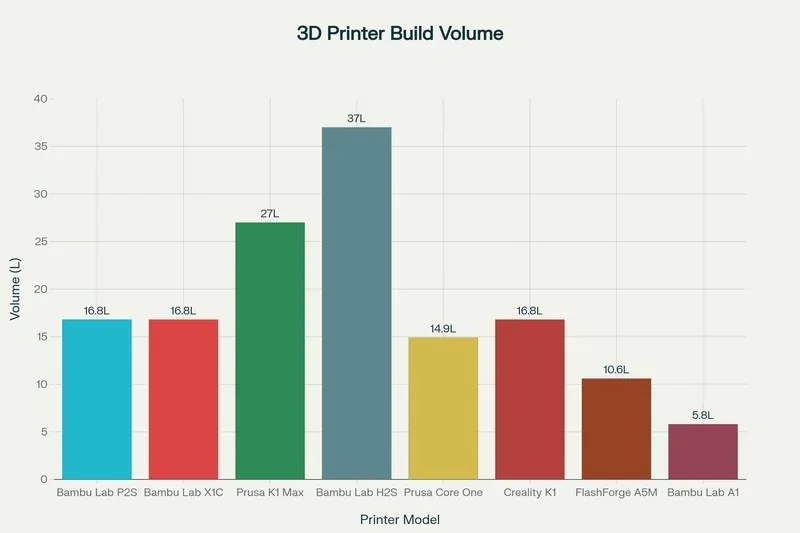
What is the difference between the Bambu Lab P2S, Bambu Lab X1 Carbon, Bambu Lab P1S, Bambu Lab P1P, Bambu Lab A1 mini, Creality K1 Max, Prusa Core One, FlashForge Adventurer 5M and Bambu Lab H2S?
|
Model |
Build volume (mm) |
Chamber |
Max nozzle (°C) |
Max speed (mm/s) |
Price (USD) |
|
Bambu Lab P2S |
256 × 256 × 256 |
Enclosed |
300 |
600 |
From $605 (base) / $873 (Combo) |
|
Bambu Lab X1 Carbon |
256 × 256 × 256 |
Enclosed |
300 |
500 |
From $799 (base) / $1,249 (Combo) |
|
Bambu Lab P1S |
256 × 256 × 256 |
Enclosed |
300 |
500 |
From $549 (base) / $749 (Combo) |
|
Bambu Lab P1P |
256 × 256 × 256 |
Open |
300 |
500 |
From $399 |
|
Bambu Lab A1 mini |
180 × 180 × 180 |
Open |
300 |
500 |
From $249 (base) / $399 (Combo) |
|
Creality K1 Max |
300 × 300 × 300 |
Enclosed |
300 |
600 |
From $629 |
|
Prusa Core One |
250 × 220 × 270 |
Enclosed |
290 |
— |
From $1,199 (assembled) / $949 (kit) |
|
FlashForge Adventurer 5M |
220 × 220 × 220 |
Open |
280 |
600 |
From $299 |
|
Bambu Lab H2S |
340×320×340 |
Enclosed |
350 |
up to 1000 |
From $1,249 |
Bambu Lab P2S — enclosed 256×256×256 mm machine with a 300 °C nozzle and the fastest headline speed here (600 mm/s) at a mid-range price ($560), making it the value pick for an enclosed 256³ platform that prioritizes speed without shrinking build volume.
In contrast:
- Bambu Lab X1 Carbon — Same volume and enclosure, 300 °C but 500 mm/s; wins on flagship tier positioning, loses on raw speed and price vs P2S (higher starting price).
- Bambu Lab P1S — Same volume/enclosure, 300 °C, 500 mm/s; wins on lower entry price, loses on top speed and feature depth vs P2S.
- Bambu Lab P1P — Same temp/speed class but open frame; wins on lowest Bambu full-size price, loses on enclosure and thermal stability.
- Bambu Lab A1 mini — 180×180×180 mm, open, 300 °C, 500 mm/s; wins on compact size and price, loses on build volume and enclosure.
- Creality K1 Max — 300³ mm, enclosed, 300 °C, 600 mm/s; wins on larger build volume, loses on base price vs P2S (higher than P2S base).
- Prusa Core One — 250×220×270 mm, enclosed, 290 °C, price notably higher; wins on assembled/kit options, loses on build volume/temperature and value vs P2S.
- FlashForge Adventurer 5M — 220³ mm, open, 280 °C, 600 mm/s; wins on lowest price, loses on enclosure, temperature headroom, and volume.
- Bambu Lab H2S — 340×320×340 mm, active chamber to 65 °C, 350 °C, up to 1000 mm/s; wins on size, chamber heat, and speed, loses on price and footprint.
What printer controls are available on the Bambu Lab P2S?
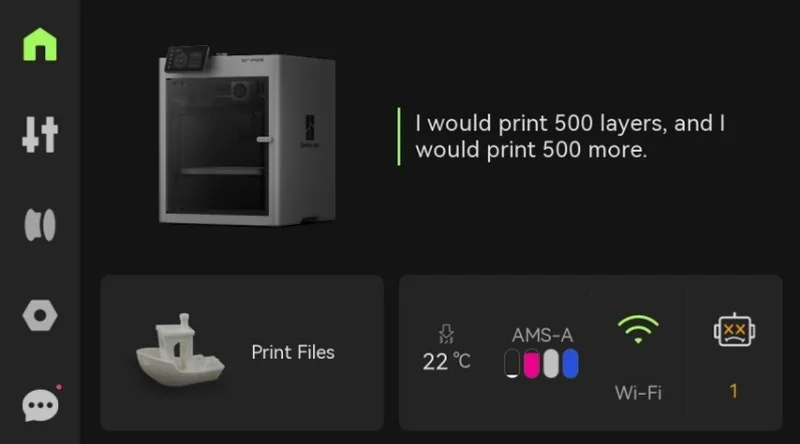
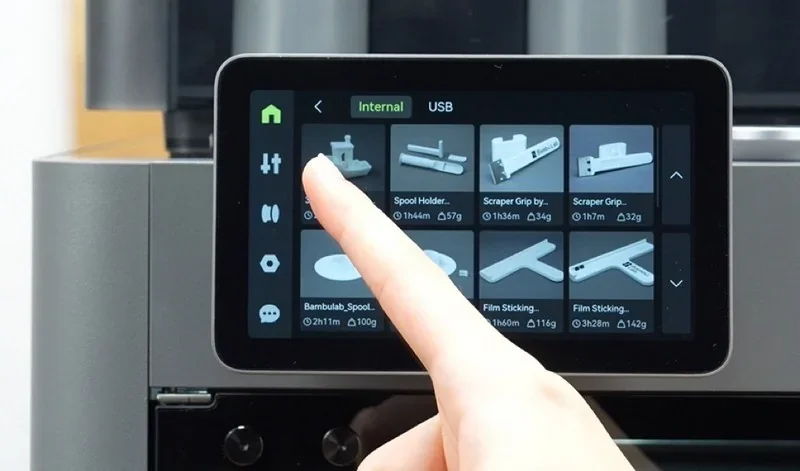
The P2S is operated from a 5-inch, 854×480 full-color touchscreen running Bambu Lab’s second-generation on-device UI. The home screen provides direct access to Homepage, Controls, Filaments, Settings, and HMS (status/notifications).
On-device UI & menus
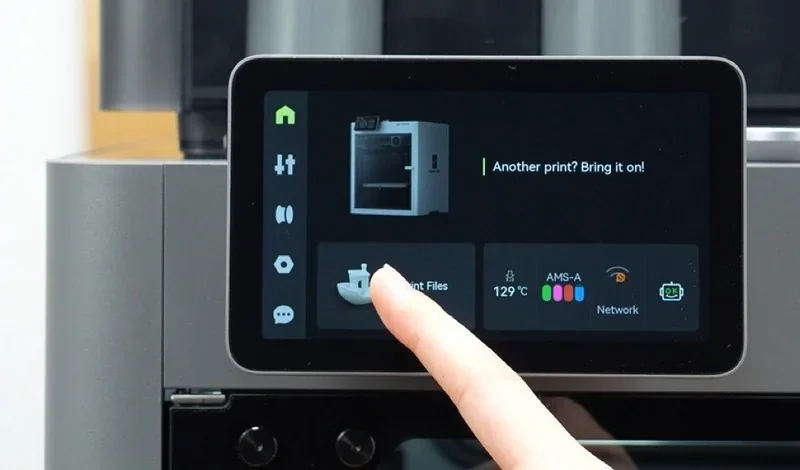
- Homepage / Print files: Start prints locally from the on-screen file list. The guide shows selecting a file and tapping Start Printing.
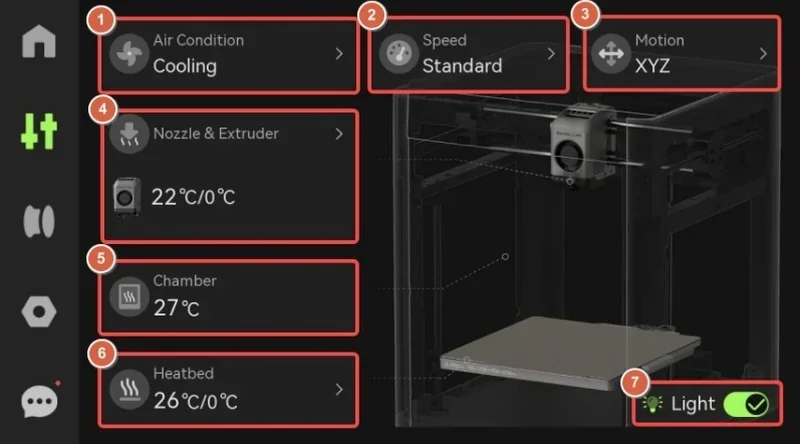
- Controls: Toggle Air Condition between Cooling and Heat Preservation modes; switch speed profiles; jog X/Y/Z; set nozzle/bed temperatures; manually extrude/eject filament; and toggle the chamber LED.
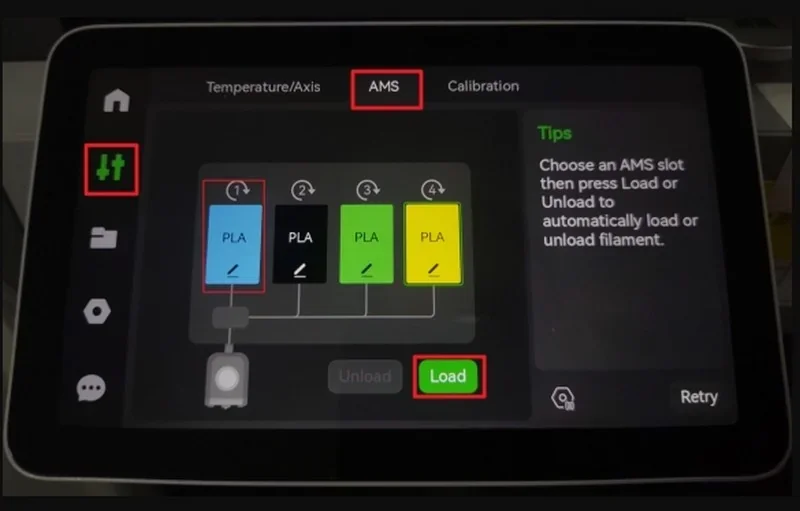
- Filaments: View/edit material slots and perform on-device load/unload operations; with AMS connected, the screen supports RFID read-outs, Auto-Refill, and AMS ordering.
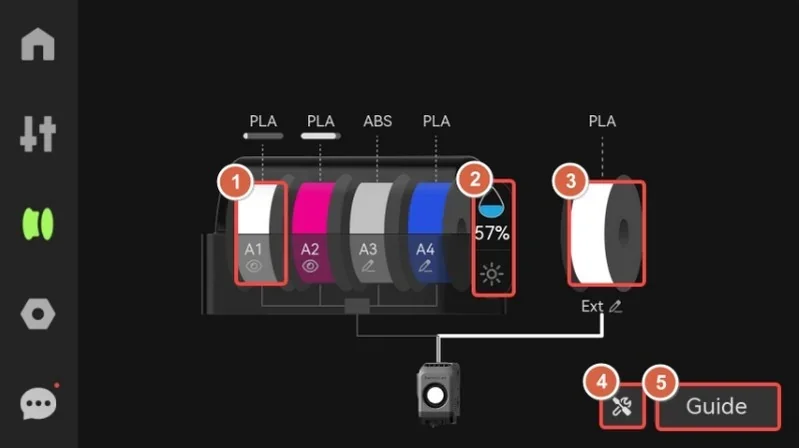
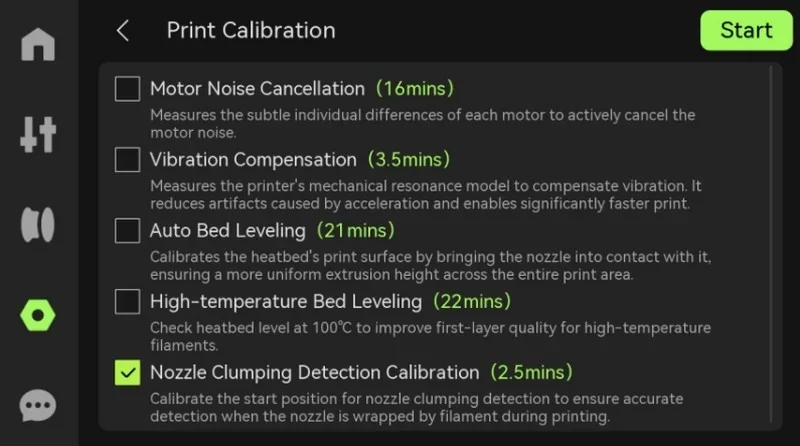
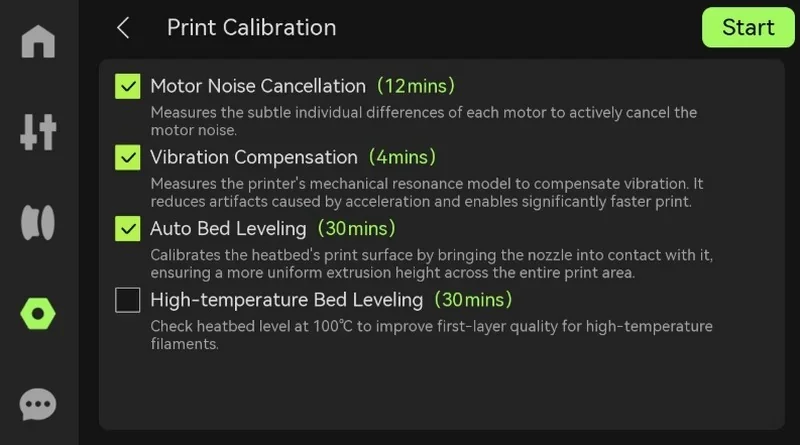
- Calibration: Built-in routines include Motor Noise Cancellation, Vibration Compensation, Auto Bed Leveling, High-Temp Bed Leveling, and Nozzle Offset calibration—run directly from the screen.
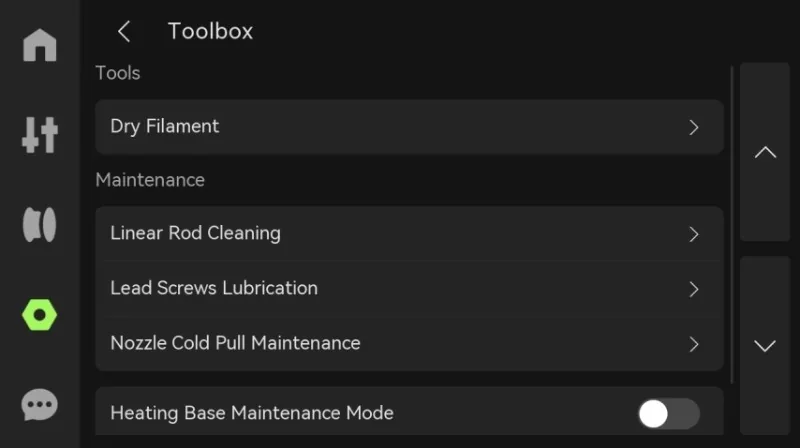
- Toolbox: On-device maintenance helpers such as Dry Filament, Linear Rod Cleaning (with progress indicator), Lead Screw Lubricating, and Nozzle Cold Pull guidance.
Direct print operation controls
- Start: Launch jobs from the local file list on the touchscreen (see Start Printing example above).
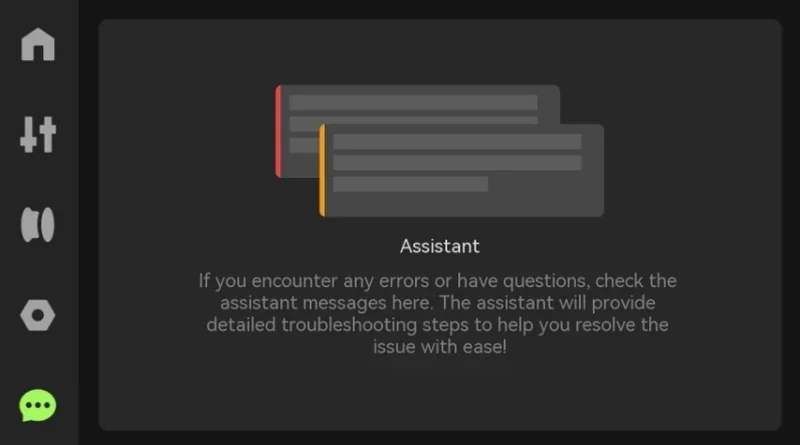
- Pause/Stop: The UI integrates AI safeguards that can pause a job and prompt you to stop or continue when issues are detected (spaghetti, nozzle clumping, purge-chute pile-up, build-plate mismatch). Sensitivity can be set on-device. These actions surface on the screen as HMS notifications with “pause/stop” guidance.
What connectivity options are available on the Bambu Lab P2S?
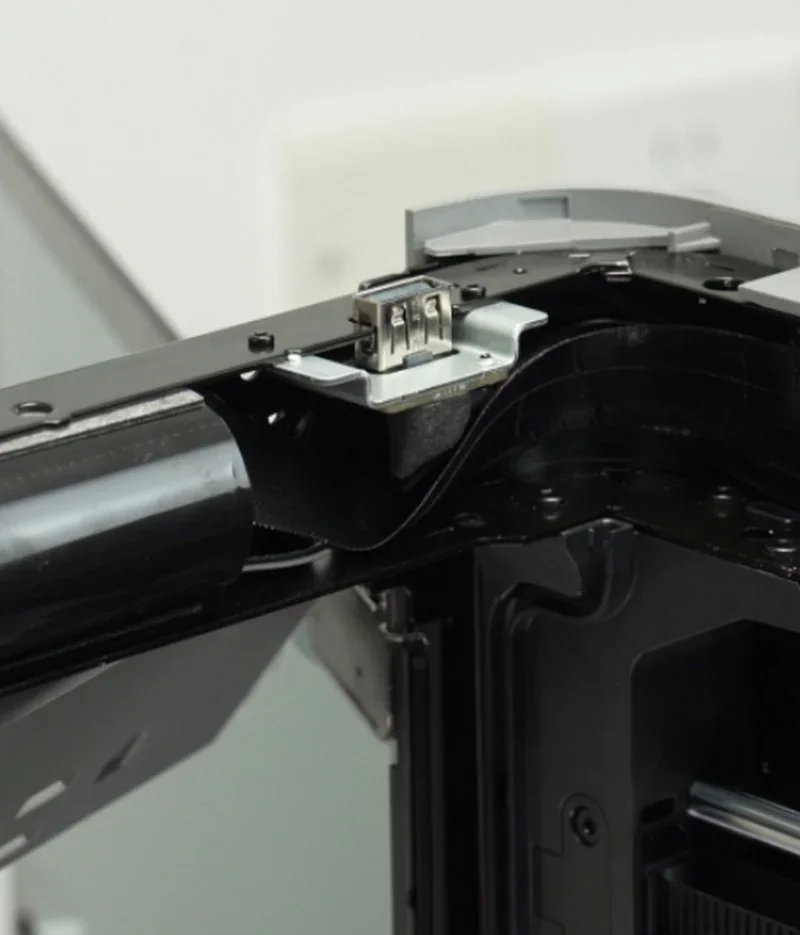
Ports & local media. The printer includes a USB-A (USB 2.0) “USB Storage” port for offline printing and saving time-lapse videos.
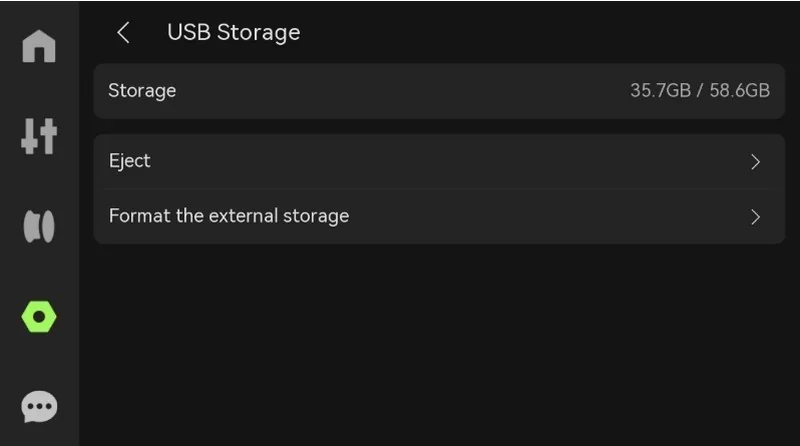
Note: without a USB drive inserted, time-lapse recording, LAN printing, file transfer from Bambu Studio, and log export are unavailable.
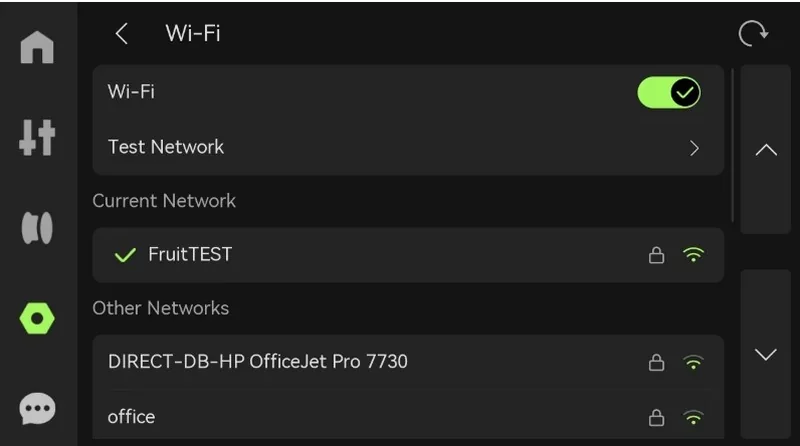
Network methods. Wi-Fi (WLAN) is configured from the on-device Network Settings; the UI exposes options to view, test, and add networks. The system also supports push notifications when used with Bambu Handy and cloud connectivity.
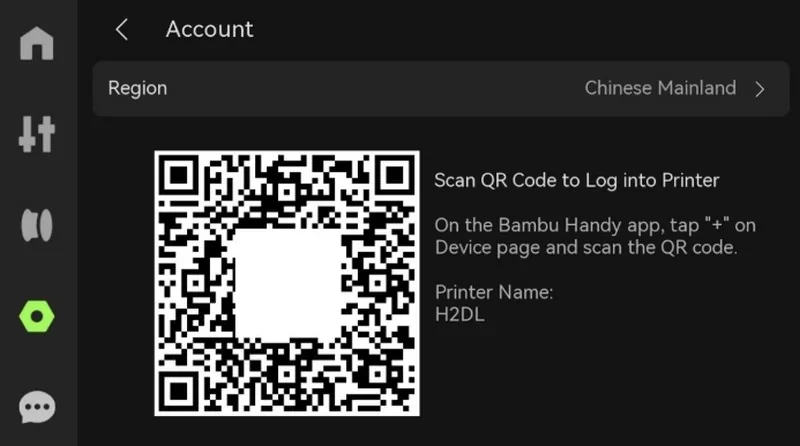
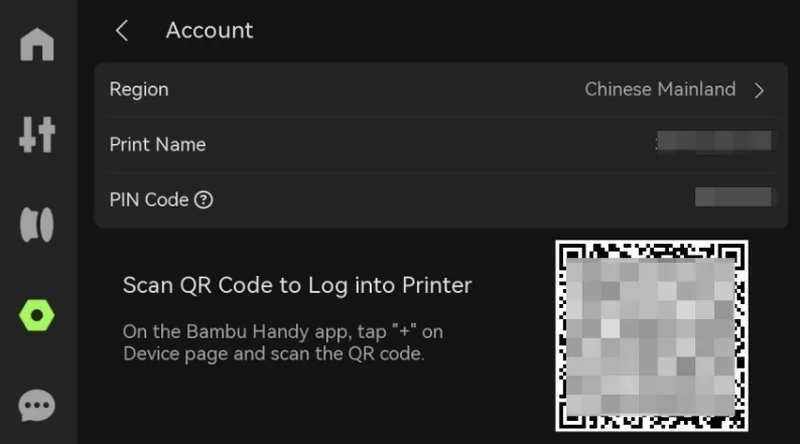
Device compatibility. The logic mainboard manages connections between the slicer/mobile app and the printer (used for sending jobs and monitoring), and the touchscreen shows a Bambu Handy QR flow for account pairing.
Special connectivity hardware. A built-in 1080p/30 fps live-view camera enables in-chamber monitoring and time-lapse capture (stored to the USB drive).
What software is offered with the Bambu Lab P2S?
Slicing. The P2S uses Bambu Studio—Bambu Lab’s slicer based on PrusaSlicer/Slic3r—with project-based workflows and features such as Remote Control & Monitoring, Multi-Color Printing (AMS), Flow Rate and Flow Dynamics Calibration, Multi-device Management, and Multi-plate tools.
Full Video Tutorial Playlist:
https://www.youtube-nocookie.com/playlist?list=PLFUVS59deIm2mawl3Zjk1XI9yp7H7955J
Mobile app. Bambu Handy (iOS/Android) provides remote monitoring and management, printer binding via on-screen QR code, and notification support; account login enables alerts for print status. (App discovery can use LAN, but the app connects over the Internet to control the printer.)
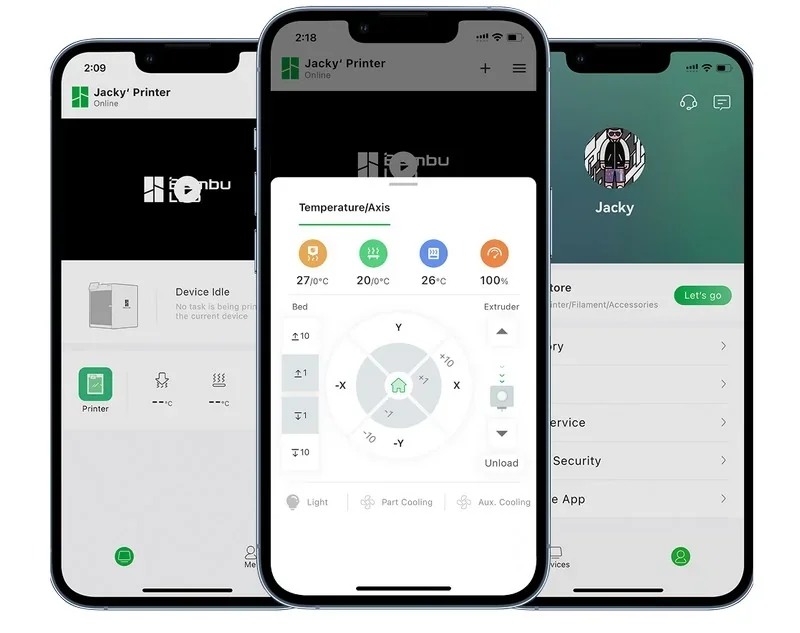
Cloud & networking. The Bambu Network Plug-in adds WAN/LAN printing, remote control, and Bambu Cloud sync (print history and user settings). Binding the printer in Studio enables device status monitoring and remote task initiation. Push notifications require Bambu Handy plus cloud connectivity.
Farm management. For multi-printer setups, Bambu Farm Manager is documented with quick start, features, FAQ, and troubleshooting resources.
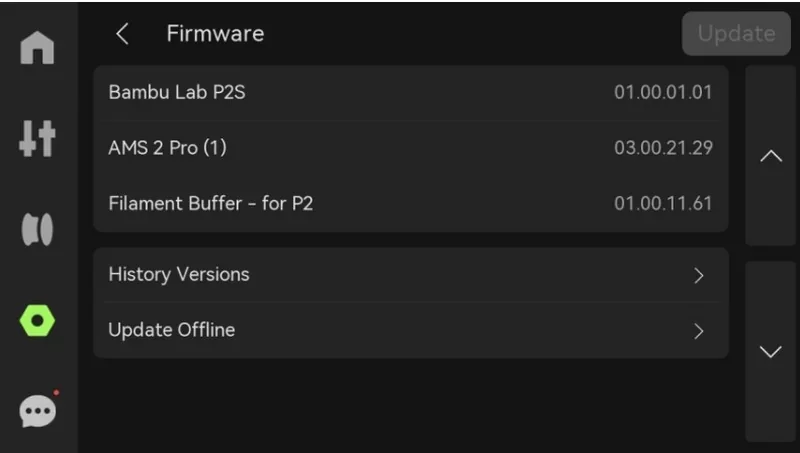
Firmware. Firmware can be updated from Device Settings → Firmware Version (defaulting to the latest version pushed by the server), with an option to roll back to a previous firmware if needed.
Monitoring & media. The system supports live view and timelapse capture; enhanced lighting and a 1080P high-rate camera improve clarity for remote monitoring (stored/managed per the platform).
What is the design and build quality of the Bambu Lab P2S?
What is the design and form factor of the Bambu Lab P2S?
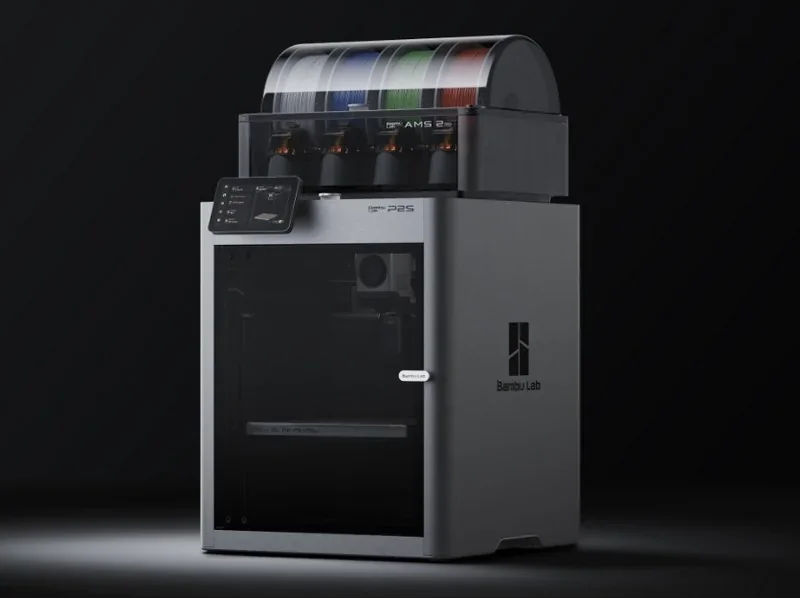
Fully enclosed desktop FDM printer with a plastic/steel chassis and plastic/glass outer frame, enhanced internal LED lighting, integrated lift handles, and shatter-safe front glass; footprint 392 × 406 × 478 mm and 14.9 kg net weight.
What is the motion system of the Bambu Lab P2S?
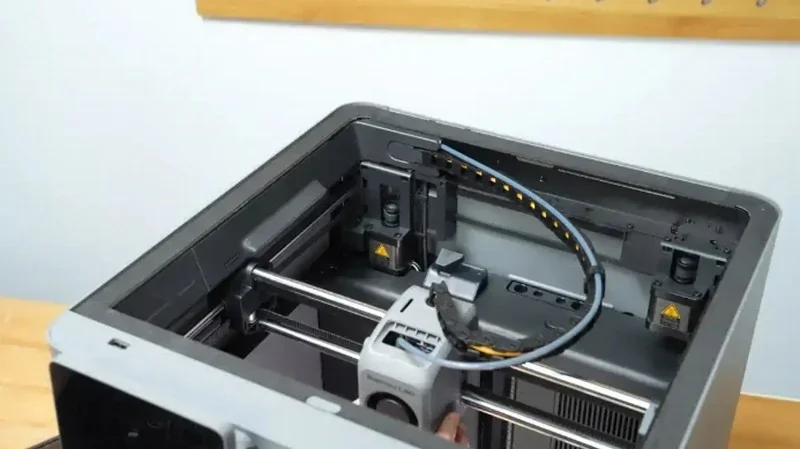
X-axis uses hollow steel rods (maintenance-friendly vs. earlier carbon rods); Z-axis uses three lead screws with left/right guide rails; the extruder is a Bambu Lab high-precision PMSM servo with real-time tangle detection. Guide size and XY/Z motor brands are not published by the manufacturer.
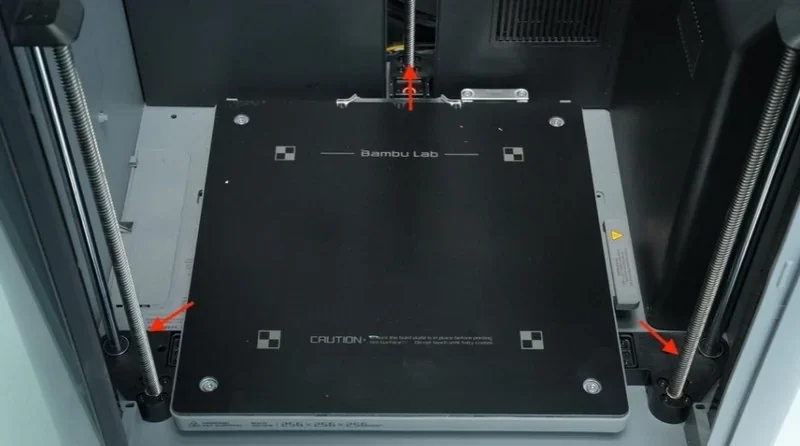
What is the noise level of the Bambu Lab P2S?
< 50 dB(A) in Silent Mode measured at 1 m distance.
What are the build platform specifications of the Bambu Lab P2S?
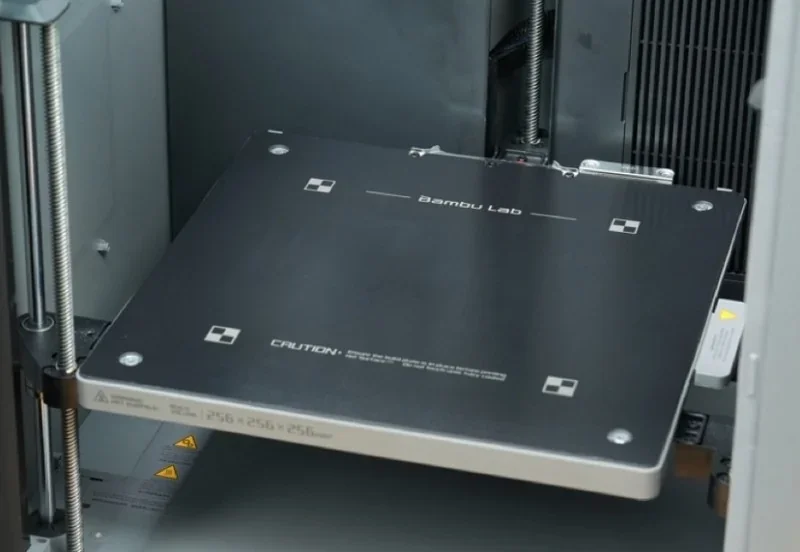
Heated bed up to 110 °C with automatic material-based setpoints, magnetic flexible steel build plate, textured PEI plate included by default (supports smooth PEI and low-temperature stability plates); bed features calibration markers and a nozzle wiping plate. Printable area 256 × 256 mm.
What is the hotend and extruder system of the Bambu Lab P2S?
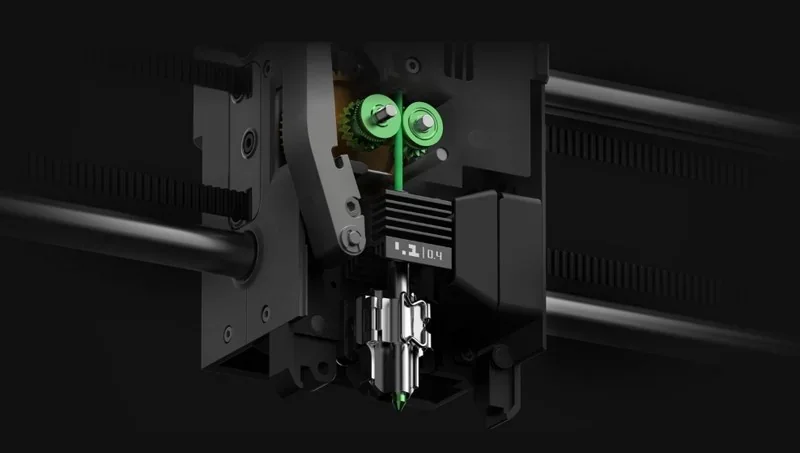
300 °C hotend with hardened-steel 0.4 mm nozzle (supports 0.2/0.4/0.6/0.8 mm), 30-second quick-swap hotend, built-in filament cutter, and a PMSM “DynaSense” servo extruder providing up to 8.5 kg extrusion force with 20 kHz sensing; eddy-current sensor enables active flow calibration. High-flow nozzles are supported.
How does the Bambu Lab P2S handle filament storage and feeding?
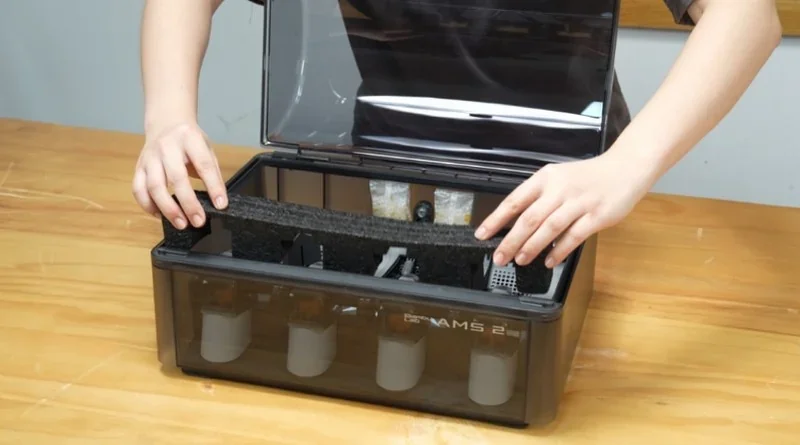
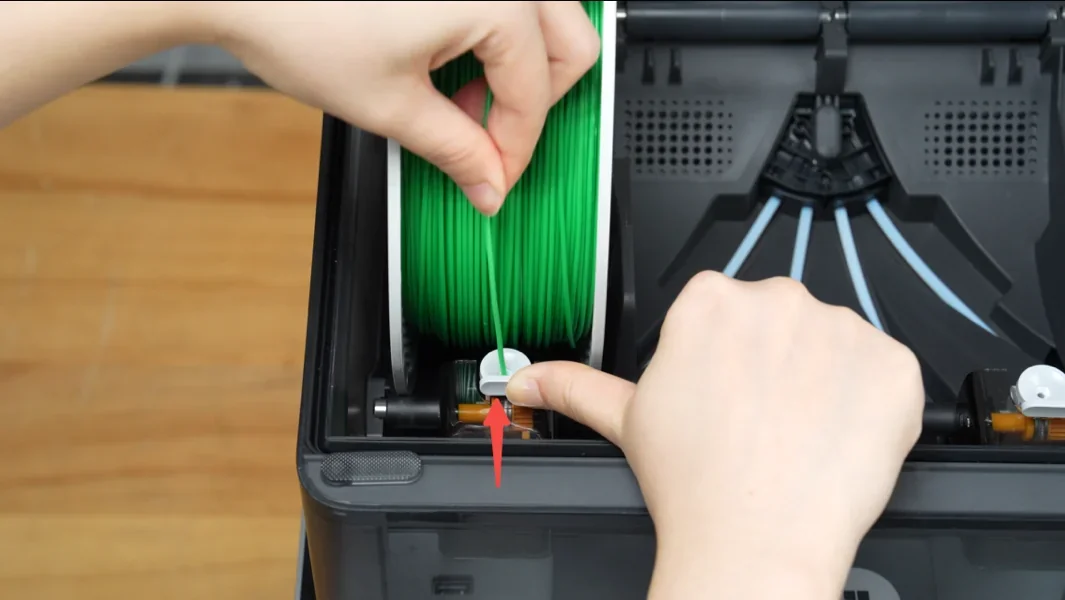
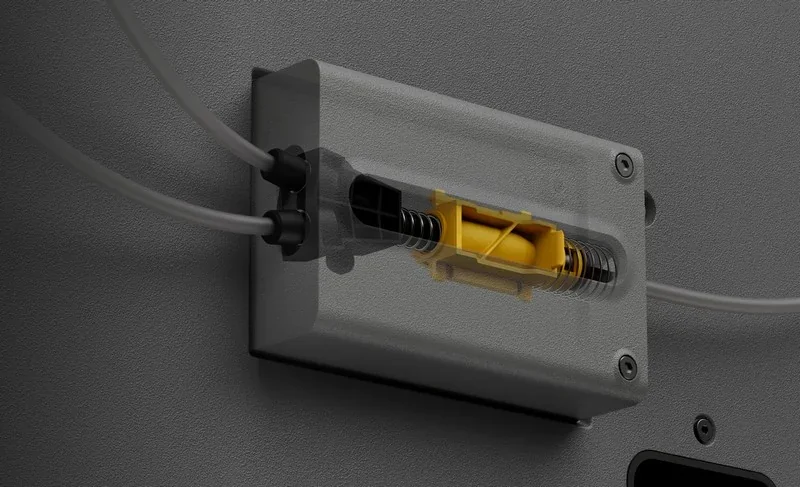
Combo units include a built-in 2-in-1 buffer to switch between AMS and external spool; the P2S buffer has two inlets (dual-AMS support and quick AMS/external switching).
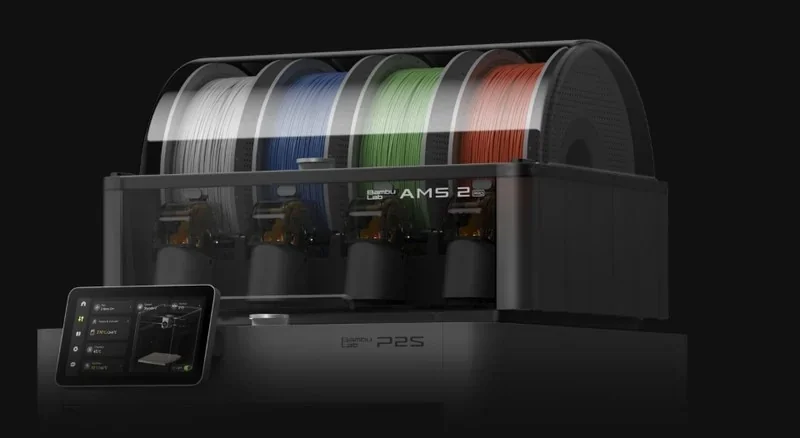
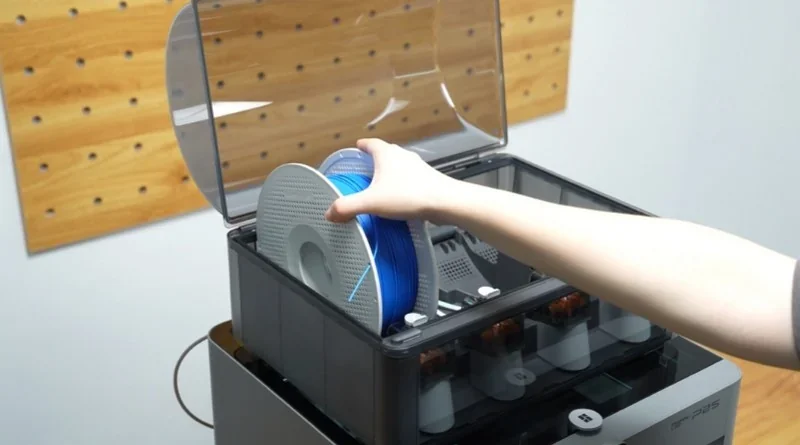
Supports up to 8 AMS units (4 AMS 2 Pro + 4 AMS HT, 20 colors max). If adding AMS 2 Pro to the standalone P2S, a P2S-specific buffer is required.
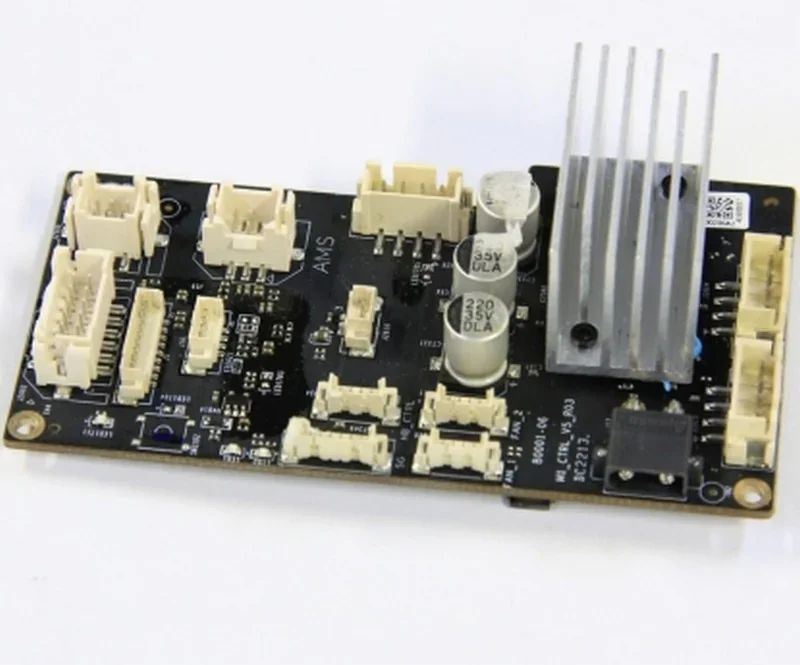
What is the mainboard of the Bambu Lab P2S?
Bambu Lab’s second-generation logic mainboard (model not published) redesigned vs. P1-series; provides the on-device UI/camera/sensor integration. No wired Ethernet; dual-band Wi-Fi and 1080p/30 fps live-view are supported.
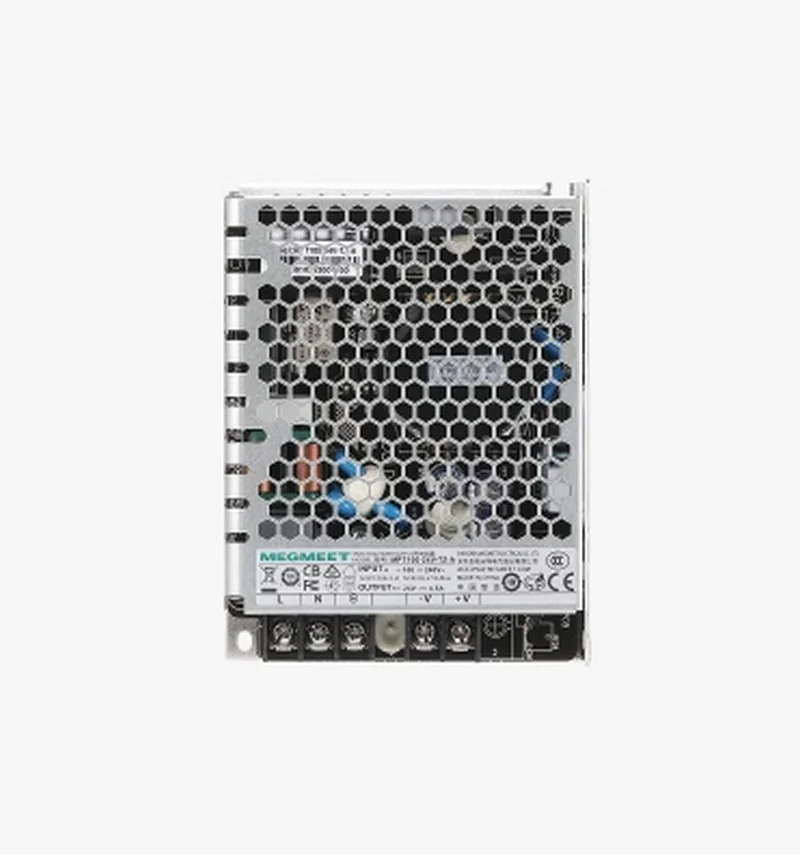
What are the power supply specifications of the Bambu Lab P2S?
100–120 VAC / 200–240 VAC, 50/60 Hz; max power 1000 W @ 110 V / 1200 W @ 220 V; standby ~7.3–8.2 W; steady-state (PLA) ~100 W @ 110 V / 200 W @ 220 V.
What comes included in the box with Bambu Lab P2S?
- Printer: 1× Bambu Lab P2S (with textured PEI build plate pre-installed) and 1× touchscreen
- Spool handling: 1× Spool Holder Assembly
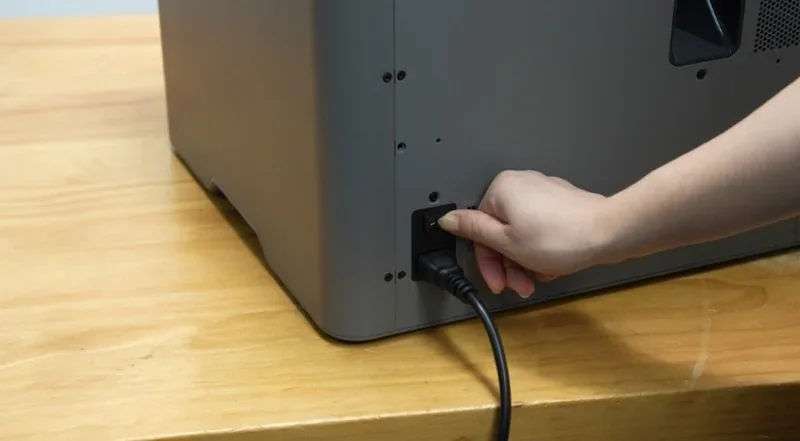
- Cables & Tubes: 2× PTFE tubes (555 mm, 180 mm), 1× power cord
Tool/Accessory Box (1× set):
- Hotend Silicone Sock (1×)
- Filament Cutter (spare) (1×)
- Unclogging Pin (1×)
- Nozzle Wiping Pad (1×)
- Scraper Blade (1×) + screws for scraper (1× set)
- Allen Keys H1.5 & H2.0 (1× each)
- Lubricant Oil (1×)
- Lubricant Grease (1×)
Documentation: 1× Quick Start Guide, 1× Warranty Leaflet, 1× Disclaimer & Safety Guidelines
Consumables & Lines: PTFE tubes and other included consumables
The printer ships largely pre-assembled with the textured PEI build plate pre-installed; setup involves installing the touchscreen and spool holder on the printer.
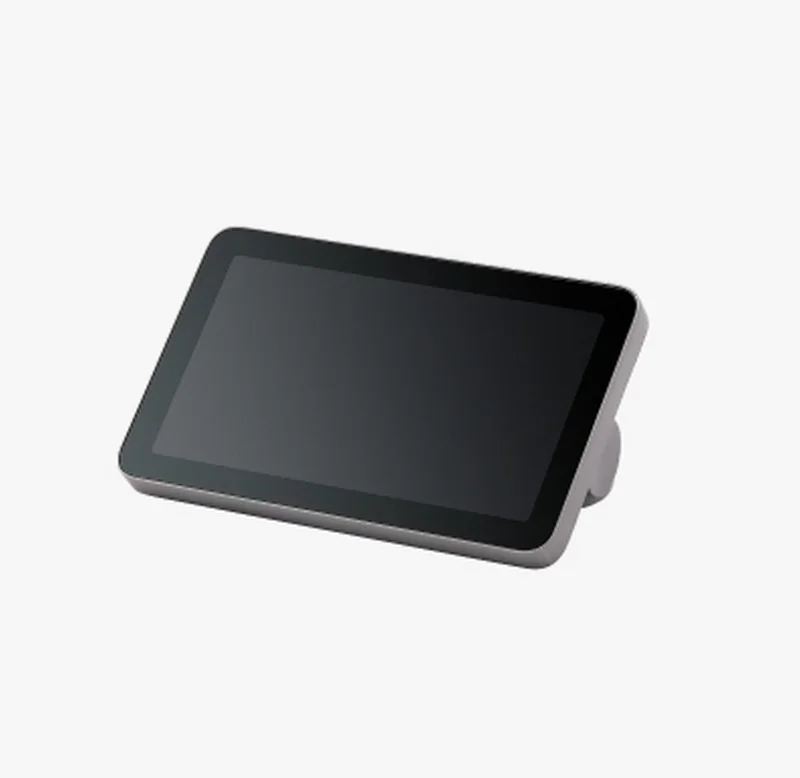
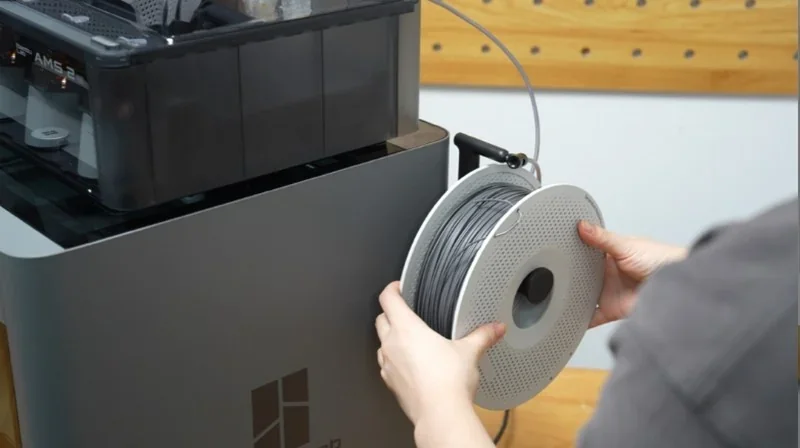
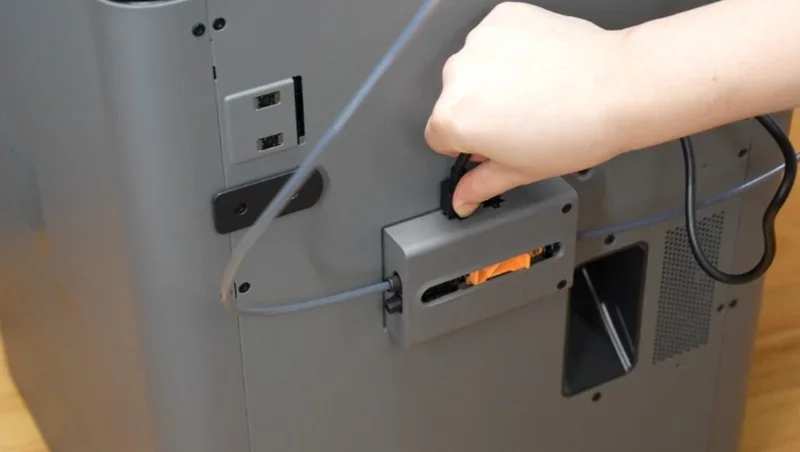
For the P2S AMS Combo, you also unlock and mount the AMS 2 Pro and connect it via the included 6-pin Bambu Bus cable.
What upgrades and accessories are available for the Bambu Lab P2S?
| Accessory | Function | Price (USD) | |
|---|---|---|---|
| Group: Multi-Material and Filament Management | |||
| P2S Combo (includes AMS 2 Pro and Filament Buffer) |
Bundle with Bambu Lab AMS 2 Pro and Filament Buffer for automated multi-color and multi-material printing. AMS 2 Pro includes 65°C drying, electro-magnetic air vent with automatic venting and airtight storage, rotating-spool drying, RFID sync for Bambu filaments, and a brushless motor for faster feeding. Tool-free top access simplifies tube service; ceramic inlets (Vickers 1200) increase wear resistance. NOTE: You can connect up to 4 AMS 2 Pro and 8 AMS HT units for up to 24 filaments. |
$300.00 | 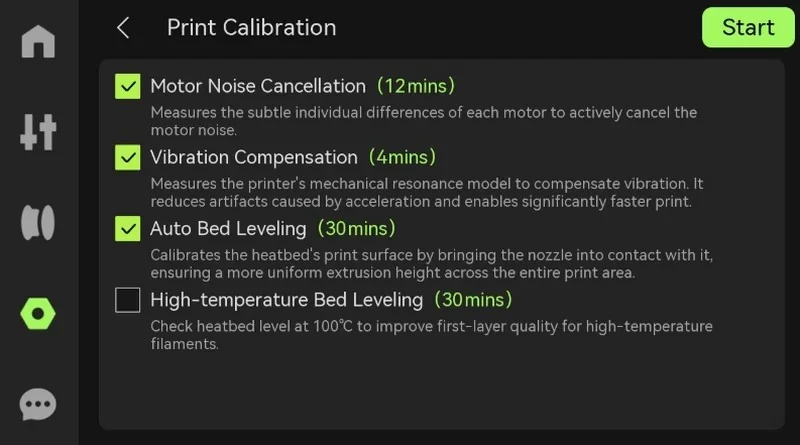 |
| AMS 2 Pro Switching Adapter | External power adapter for AMS 2 Pro drying; use one adapter for each AMS 2 Pro unit that runs drying. | $40.00 | 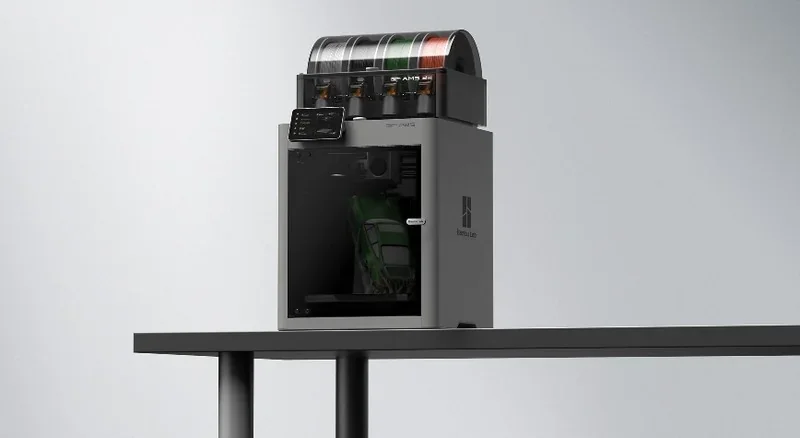 |
| Desiccant for AMS Unit | Replacement desiccant for AMS 2 Pro and AMS HT sealed storage to absorb moisture and keep filament dry. | $5.00 | 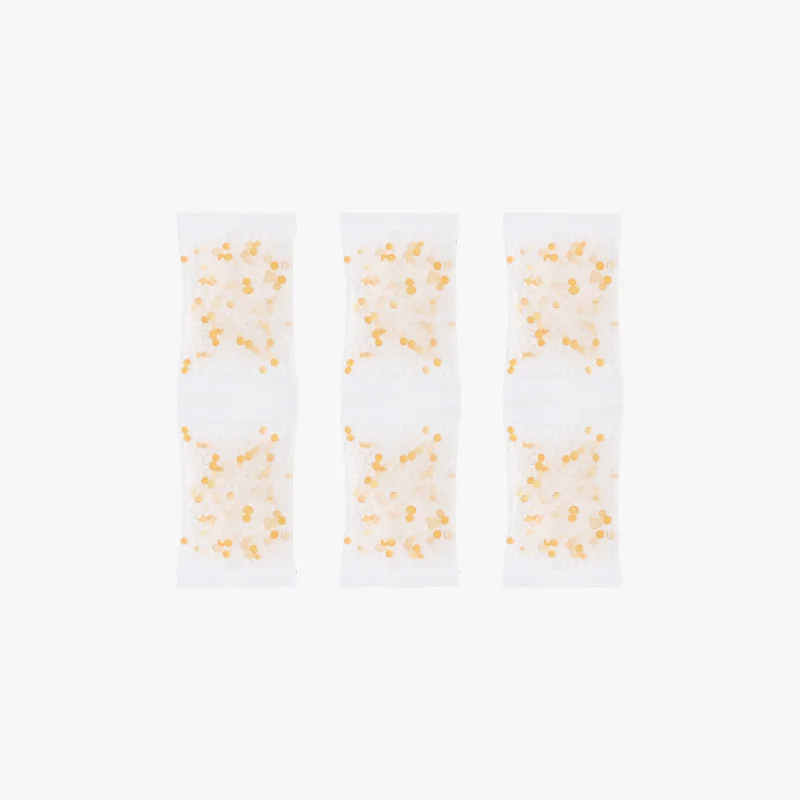 |
| Group: Build Plates and First-Layer Adhesion | |||
| Bambu Cool Plate SuperTack Pro | Replaceable build plate for strong first-layer grip and fast plate swapping. | $36.00 | 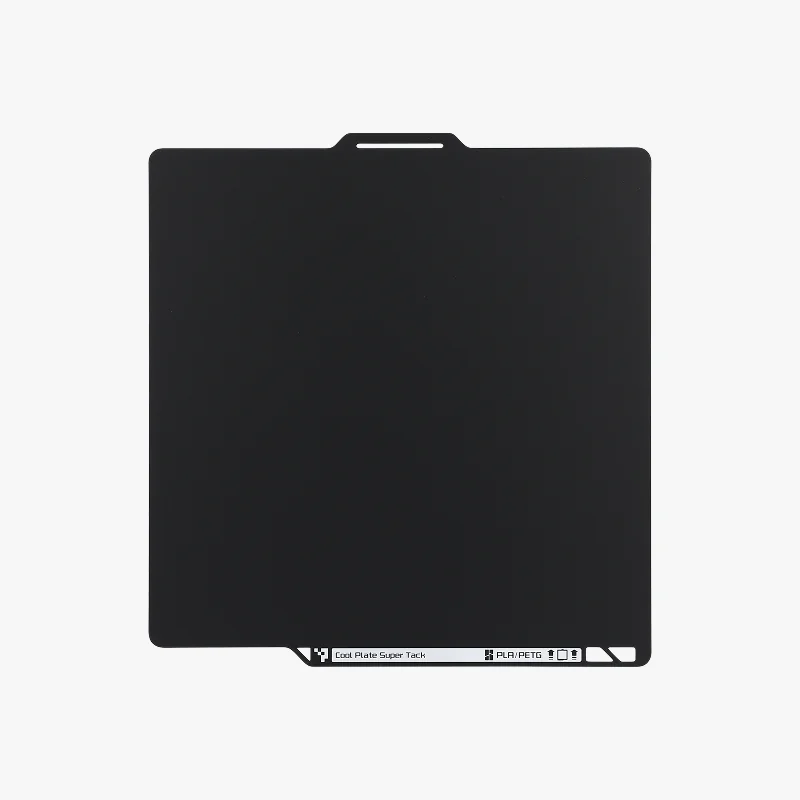 |
| Bambu Engineering Plate | Replaceable build plate for first-layer printing and quick workflow swaps. | $36.00 | 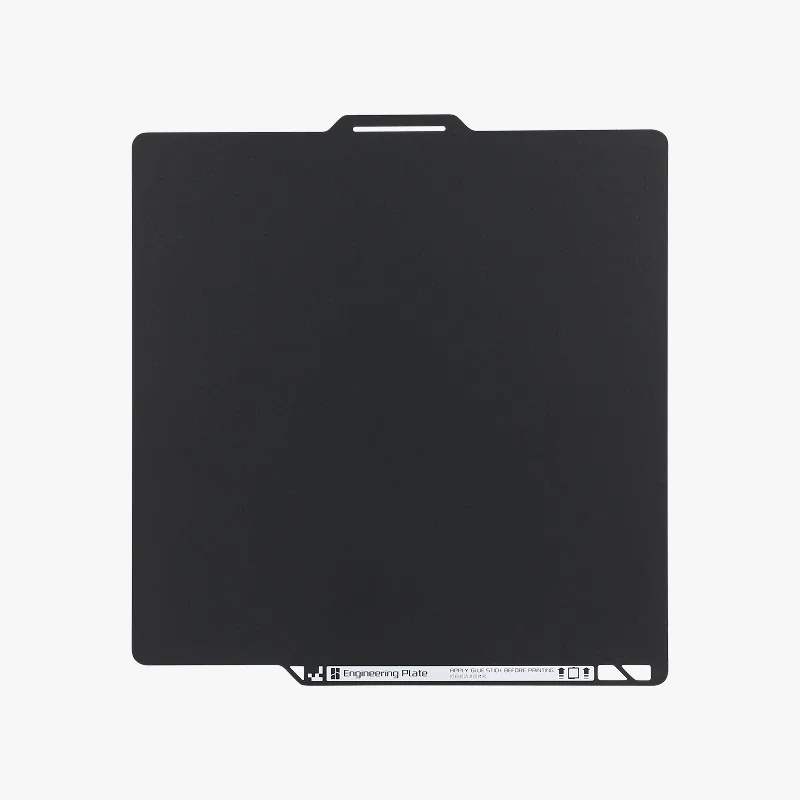 |
| Bambu Textured PEI Plate | Textured PEI build plate that provides strong first-layer grip and a textured bottom finish. | $25.00 | 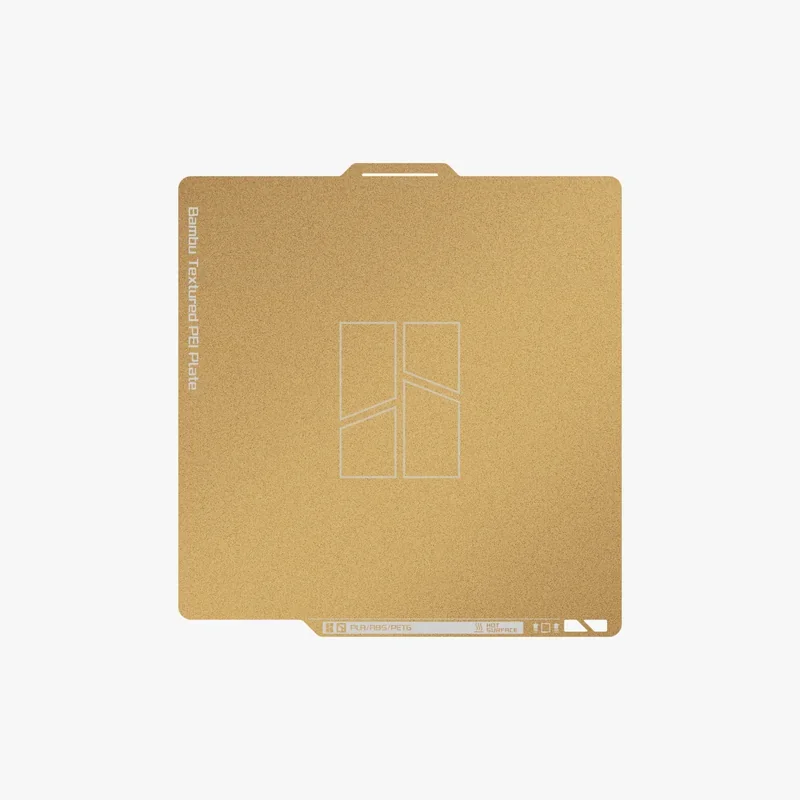 |
| Glue Stick | Solid build-plate adhesive that improves first-layer grip and reduces warping. | $5.00 | 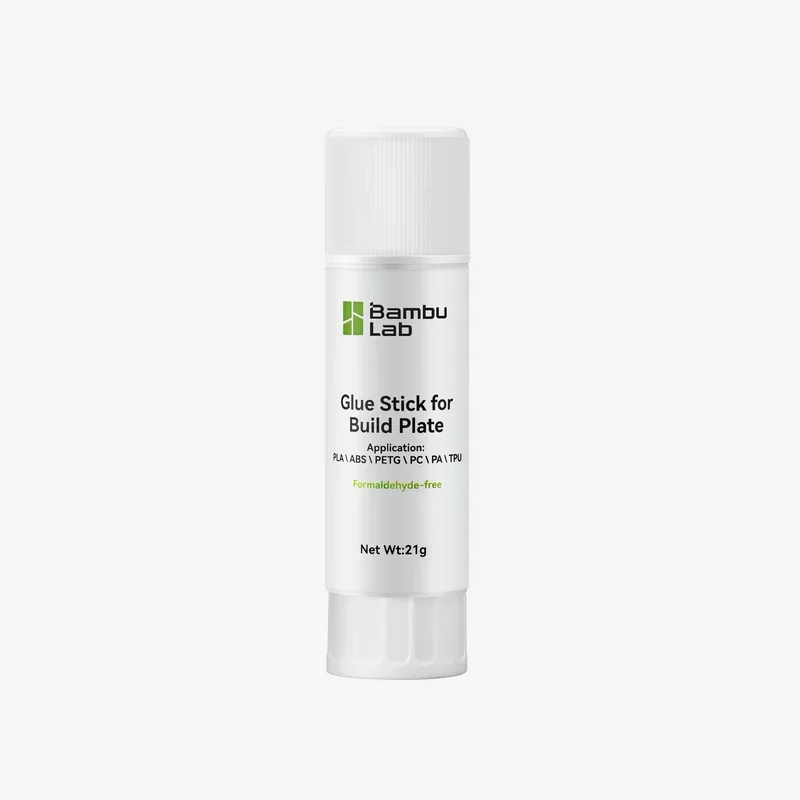 |
| Liquid Glue | Liquid build-plate adhesive that improves first-layer grip and reduces warping with an even, spreadable coat. | $20.00 | 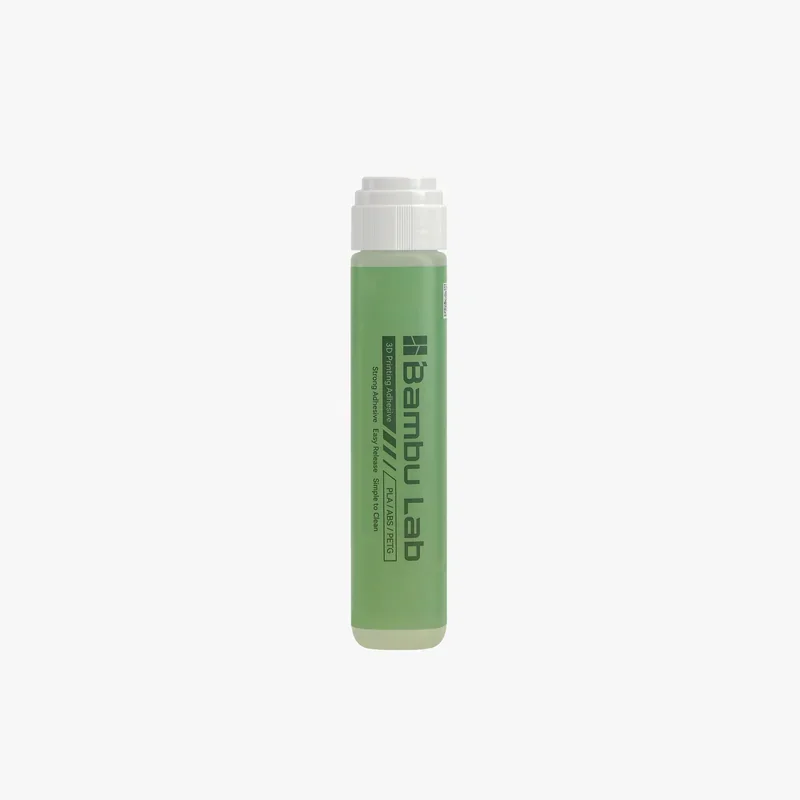 |
| Group: Hotend and Nozzles | |||
| Bambu Hotend - H2/P2S | Replacement hotend for H2/P2S to restore reliable extrusion and reduce downtime during maintenance. | $25.00 | 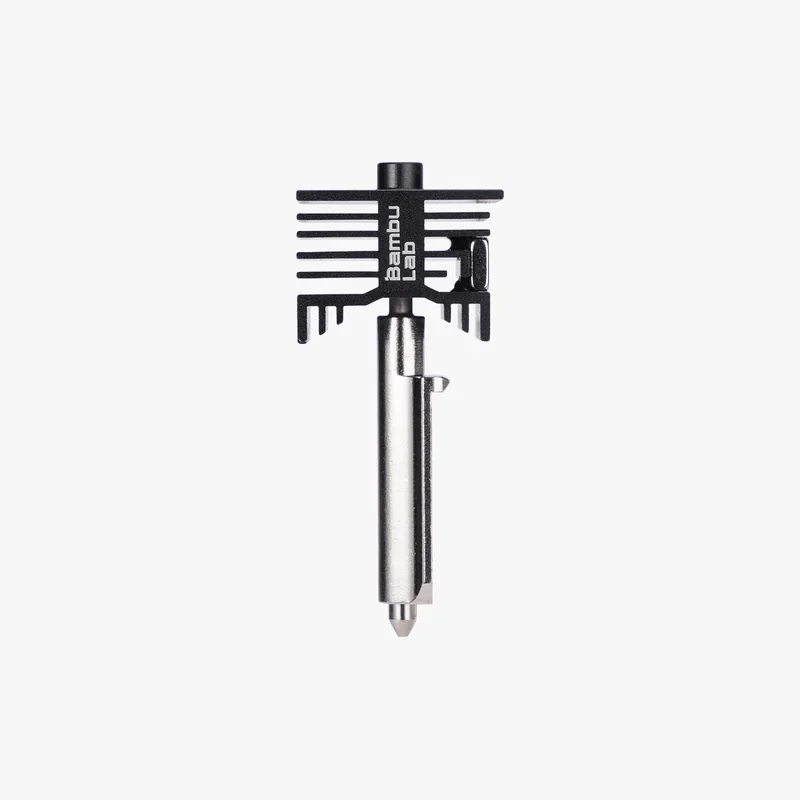 |
| Tungsten Carbide Nozzle - H2/P2S | Wear-resistant tungsten carbide nozzle for abrasive and filled filaments to maintain nozzle geometry over time. | $72.00 | 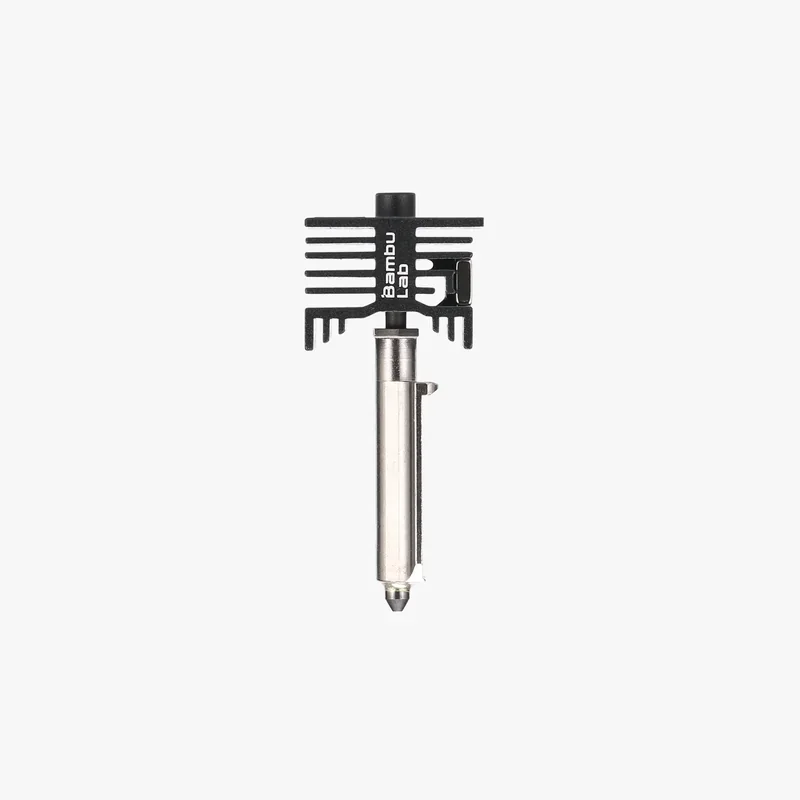 |
| Group: External Exhaust and Filtration | |||
| External Exhaust Fan Kit - P2S | External exhaust fan kit for P2S to route printer air outside and reduce odors and particles in the room. | $24.00 | 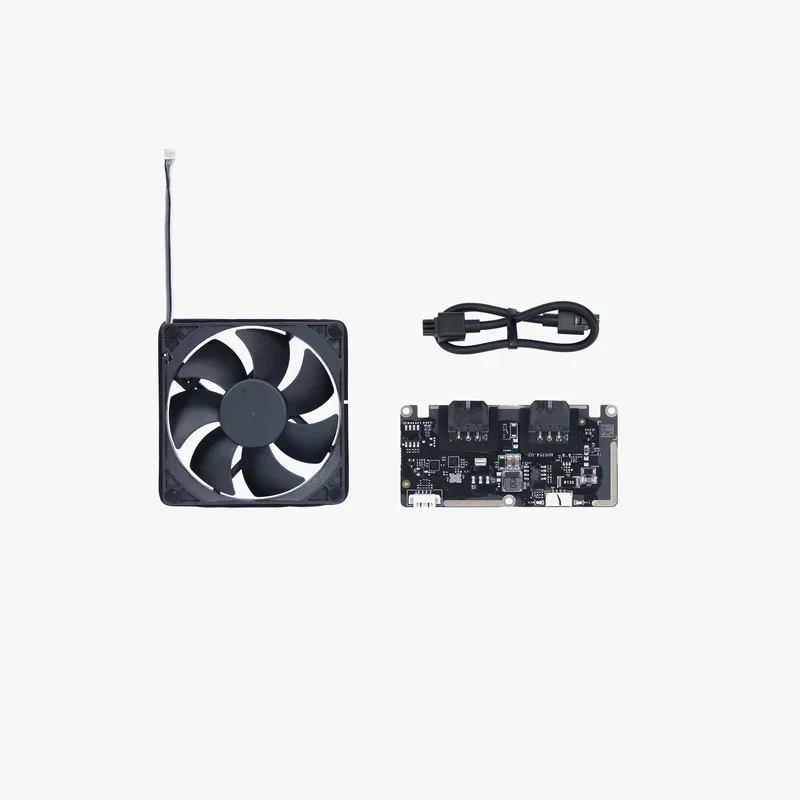 |
| External Exhaust Air Filter | Replacement filter for the External Exhaust Fan Kit to maintain filtration performance. | $12.00 | 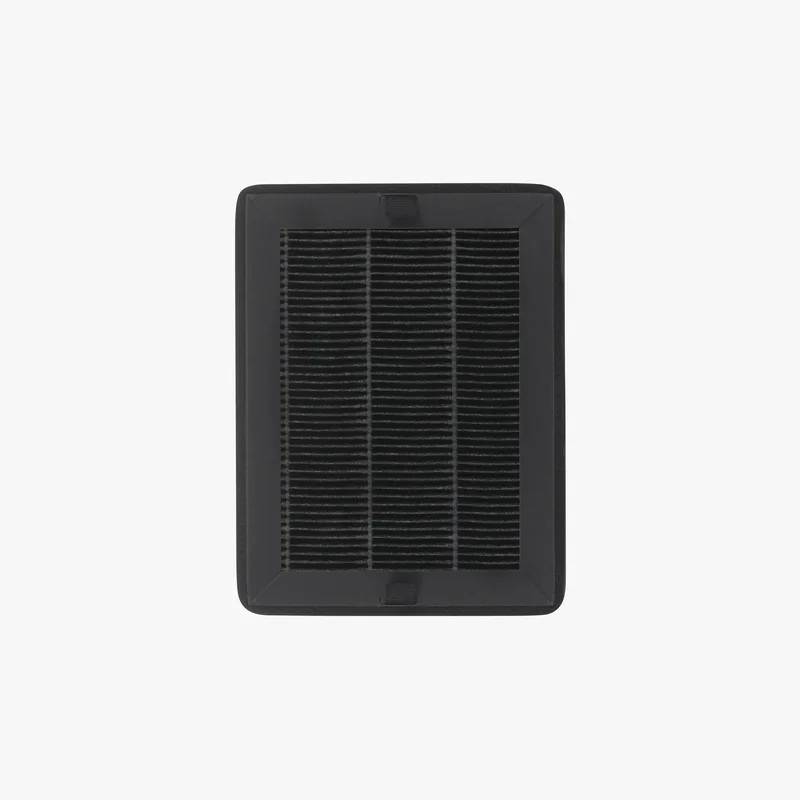 |
| Group: Maintenance Lubricants | |||
| Lubricant Grease | Maintenance grease for routine lubrication to reduce friction and wear on moving parts. | $5.00 | 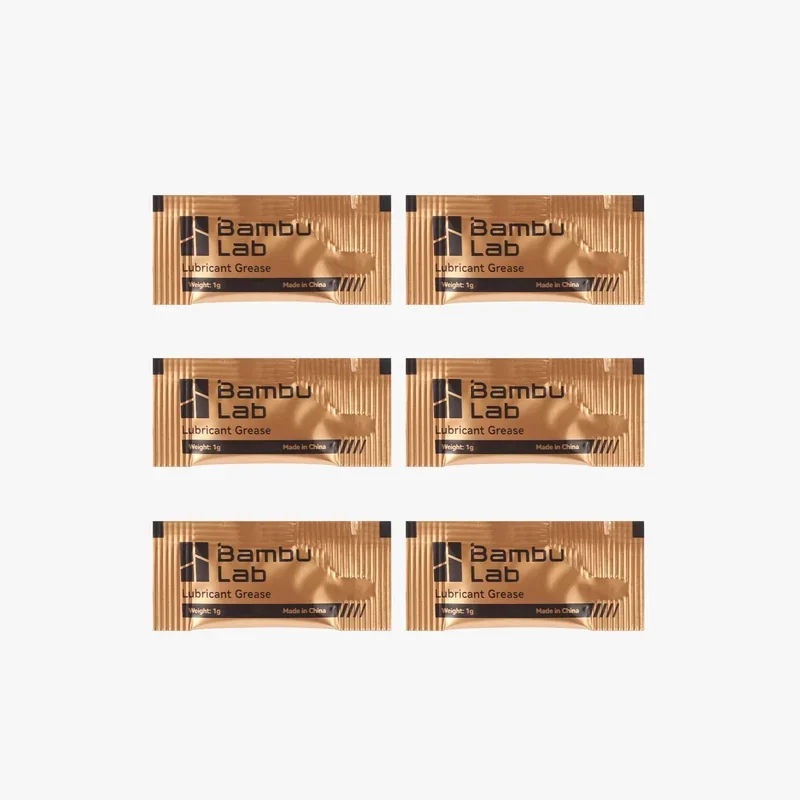 |
| Lubricant Oil | Maintenance oil for routine lubrication to reduce friction and keep motion smooth. | $5.00 | 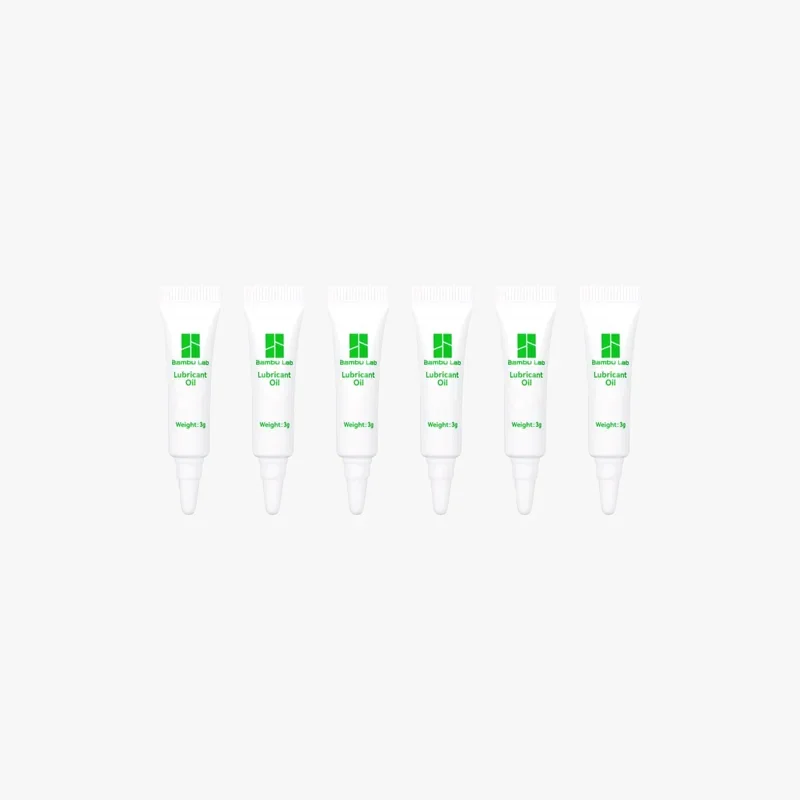 |
What maintenance does the Bambu Lab P2S require?
The Bambu Lab P2S requires over 12 maintenance procedures to keep motion smooth, print quality stable, and filtration effective over daily/pre-print, spool-based, monthly–quarterly, semiannual, and as-needed intervals. These include:
Daily / before each print
- Clean the heatbed surface and check calibration markers; remove debris before placing the build plate to prevent damage and ensure proper camera calibration.
- Wipe the build plate as needed; the nozzle wiping plate performs fine wiping automatically at start, but keep it clean for reliable first layers.
Spool-count–based consumables
- Toolhead cutter blade inspection/replacement: every 8–12 spools for PLA/PETG/ABS/PC; every 4–10 spools for abrasive filaments (PA+CF/PA+GF/PPA+CF).
Monthly–quarterly motion service (choose the band matching your usage)
- High-frequency (≥5 h/day): XY-axis clean & lube monthly; Z-axis deep maintenance every 3 months.
- Regular (1–5 h/day): XY every 2 months; Z every 4 months.
- Low-frequency (<1 h/day): XY every 3 months; Z every 5 months.
- XY axes: wipe rods; inspect belts; apply 1–2 drops oil every 5 cm, move toolhead 3–5 times; remove excess oil.
- Z axis: clean 3 lead screws + rails, grease lead screws and oil rails; move bed 3–5 cycles; oil bearing bottoms.
Semiannual
- Clean the live-view camera lens every ~6 months (to clear VOC residue and restore clarity).
As needed / on condition
- Replace the activated carbon filter when severely dirty; open side cover, pull the filter to replace; dry the cover fully if washed.
- Replace the nozzle wiping pad if damaged/deformed.
- Run “Linear Rod Cleaning” and “Lead Screw Lubricating” from the on-device Toolbox whenever the rod-cleaning progress bar indicates or motion feels rough.
- Perform a nozzle cold-pull if the extruder frequently overloads at normal flow, or before printing TPU after other materials.
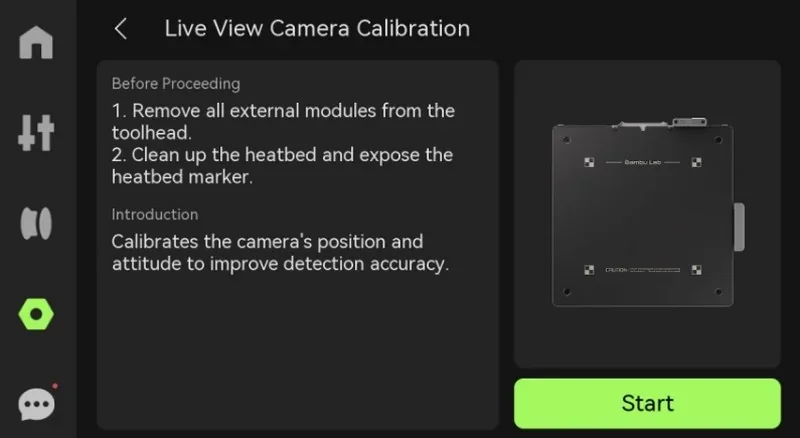
- Calibrate visual detection after heatbed/camera service or if false alarms occur (Nozzle Clumping Detection, Live-view Camera calibration).
- Extruder cleaning/lubrication (advanced): disassemble per guide and grease the gear positions when servicing the drive.
- General cleaning: remove dust from fans, camera, and sensors with microfiber + isopropanol; see regular maintenance section referenced in the quick start.
After any XYZ lubrication/cleaning, run full calibration (motor noise cancellation, vibration compensation, and auto bed leveling) from the device interface to restore optimal kinematics.
What support and warranty come with the Bambu Lab P2S?
Bambu Lab’s Limited Warranty covers defects in materials and workmanship for the P2S; misuse, improper installation, unauthorized modification, and transit damage not confirmed by the carrier are excluded.
Warranty period:
- 24 months for consumers in the EU, Switzerland, Norway, and Iceland;
- 12 months for companies in the EU, Switzerland, Norway, and Iceland;
- 12 months for consumers and companies in all other regions;
- Certain components carry 3-month limited coverage: Dual Extruder Unit (excluding the Dual Extruder Gear Assembly), Dual Extruder Idlers and Filament Sensor, Laser Air Assist Tube Connector, Maker's Supply;
- Consumables have no warranty.
What’s covered (examples): product failures due to manufacturing defects or workmanship during the warranty window; Bambu provides warranty service (repair/replacement) after inspection.
What’s not covered (examples): drops, liquid ingress, over/under-voltage, fire, misuse, third-party/DIY damage outside Bambu’s instructions, altered serials, cosmetic wear, and shipping damage without a carrier certificate.
Support channels & hours (manufacturer only):
- Live Chat: available 24/7 via the Support Center.
- Ticket/Case system: submit via Support Center; Bambu’s public update targets ~3 business-day replies for technical tickets.
- Self-service resources: Official Wiki, Community Forum, and System Status linked from the Support Center.
- Phone/email: Bambu does not publish a public support phone number or direct support email; all cases start in the Support Center/Chat.
- Contact methods and availability: Bambu Lab does not publish a phone support line; cases are handled through tickets and live chat on the Support portal (no public support email is listed—use the portal/app).
Self-Help Resources:
Guides and tutorials are available via Bambu Lab Wiki, Bambu Studio/Handy apps, and on-device QR codes:
- https://wiki.bambulab.com/en/p2s
- https://support.bambulab.com/en?from=6&lang=en
How much does the Bambu Lab P2S cost?
The price of the Bambu Lab P2S is $690.00.
Value proposition. For the base configuration you get an enclosed 256 × 256 × 256 mm platform, 300 °C hardened-steel hotend with 30-second quick-swap, PMSM “DynaSense” servo extruder, Adaptive Airflow System with carbon filtration, 5-inch touchscreen (2nd-gen UI), and an integrated 1080p live-view camera with AI error detection—features positioned by the manufacturer as standard on P2S.
Configurations (percentage difference vs. P2S base):
- P2S AMS Combo — adds AMS 2 Pro (RFID sync, multi-material loading, humidity control) and the dedicated P2S Filament Buffer: ≈ +45 %.