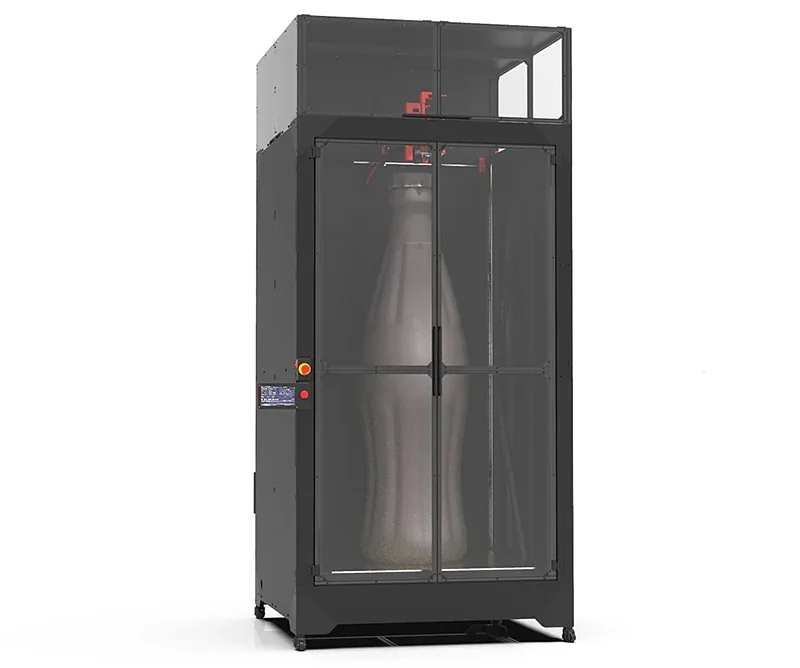
Modix Everest 3D Printer: Large-Format Modix Big-2Meter Model


- Single-print objects up to 2m tall
- Griffin Ultra prints 500g per hour
- 6mm nozzle with 1.2mm layer capability
- Reinforced frame with 4080mm profiles
- Flexible Payment Terms
- 1 Year Warranty
- Local Technical Support
- Free Online Training
- Aluminum print bed with PEI surface
- Hex and screwdriver sets
- Power supply
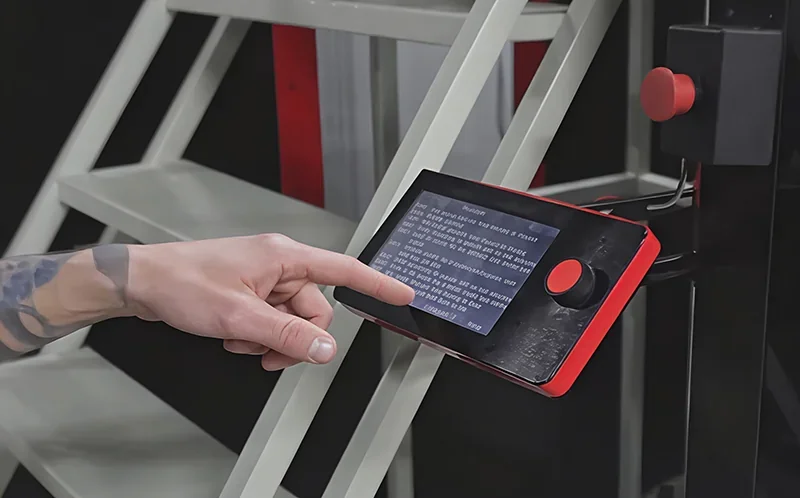
- 7-inch tilting LCD touchscreen
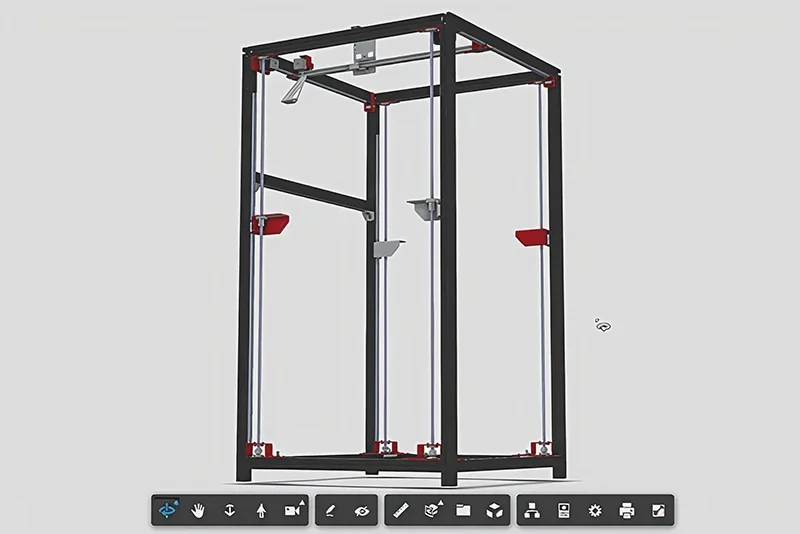
The Modix Everest 3D printer enables single-print objects up to two meters tall, eliminating the need for assembly. Its Griffin Ultra hotend prints over 500 grams per hour with thick layers, reducing post-processing and producing stronger, seamless results. The Everest is based on the Modix BIG-Meter platform, featuring a reinforced frame with 4080 mm profiles — twice the size of its predecessor. This Modix 3D printer comes equipped with an enclosure, Griffin and Griffin Ultra print heads, internal spool mount, casters, tilt screen, Z HiWin rails, and clog/crush detectors. The Griffin Ultra hotend's 1.6 mm nozzle prints 1.2 mm layers, cutting print time significantly. The Everest supports a wide range of materials — PLA, PETG, ABS, ASA, PVA, PC, Nylon, TPU, carbon fiber composites, and more — making it suitable for automotive, aerospace, and commercial design applications. Optional add-ons like the IDEX dual print head and magnetic bed enhance functionality, while its core strength remains large, seamless, extreme-height printing.
- What is the print quality and performance of the Modix Everest 3D printer?
- Which filaments can you use with the Modix Everest FDM 3D printer?
- What is the build volume of the Modix Everest?
- What is the difference between the Modix Everest, Tronxy VEHO 1000-20, Dowell DM-2000 Plus and Builder Extreme 2000 PRO?
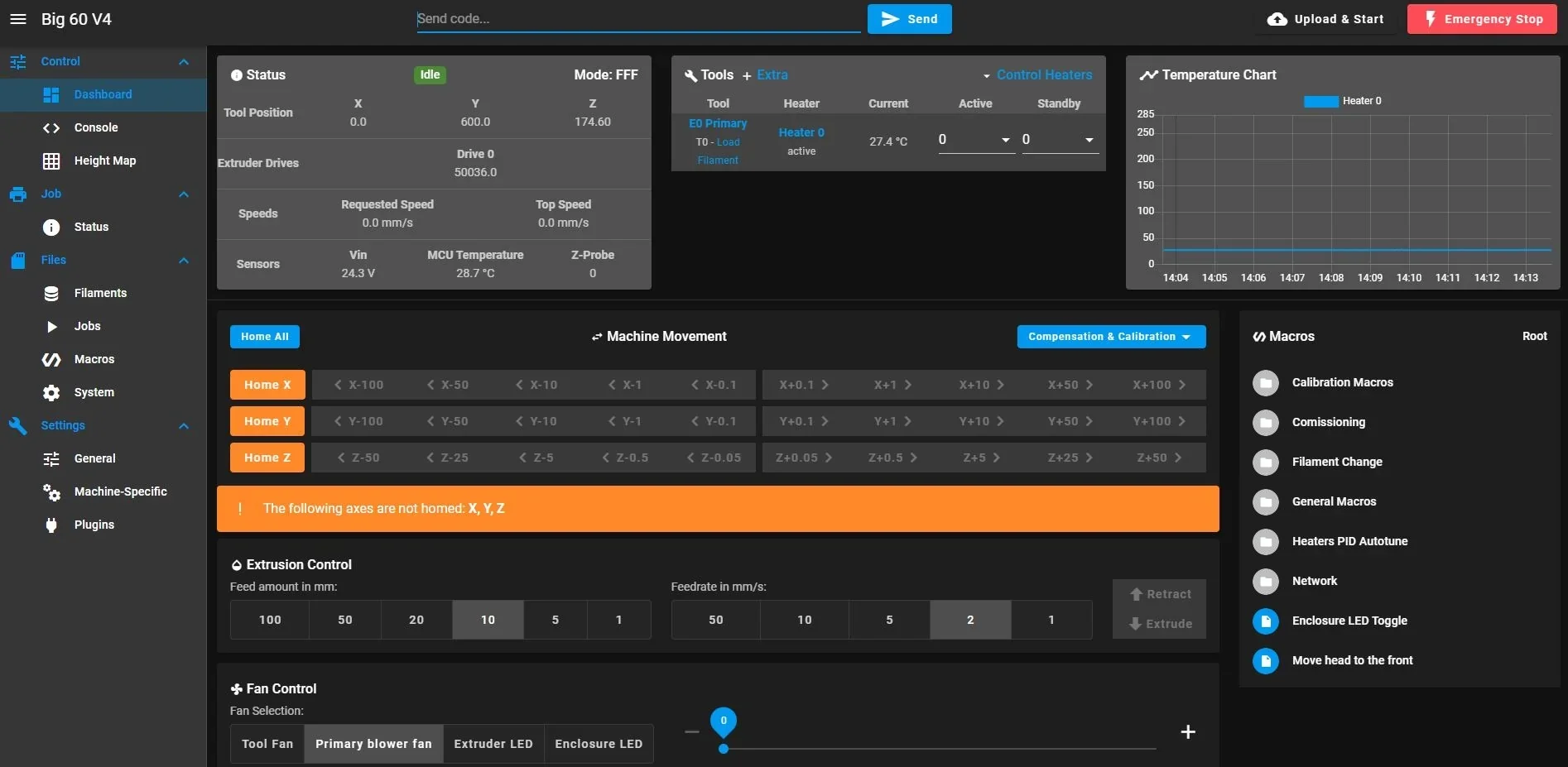
- What printer controls are available on the Modix Everest?
- What connectivity options are available on the Modix Everest?
- What software is offered with the Modix Everest?
- What is the design and build quality of the Modix Everest?
- What comes included in the box with Modix Everest?
- What upgrades and accessories are available for the Modix Everest?
- What maintenance does the Modix Everest require?
- What support and warranty come with the Modix Everest?
- How much does the Modix Everest cost?
What is the print quality and performance of the Modix Everest 3D printer?
The Modix Everest offers high print quality and performance with its Griffin Ultra hotend, capable of 1.2 mm layer height at 250 mm/s.
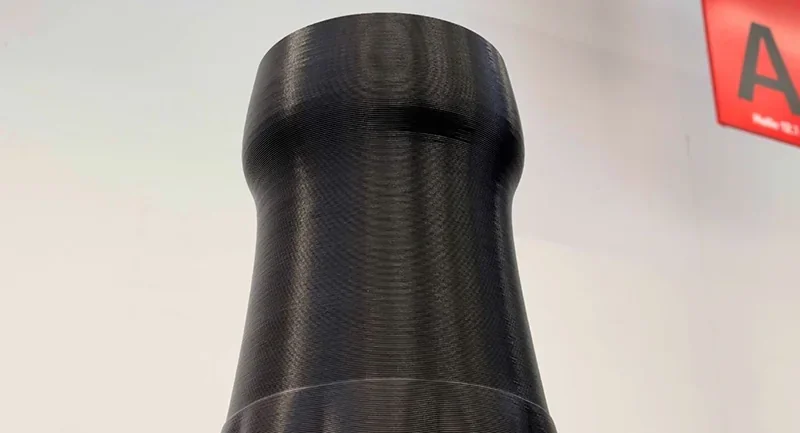
With an extrusion rate over 500 g/h, the Everest significantly cuts production time while maintaining surface quality. Real-world prints include:
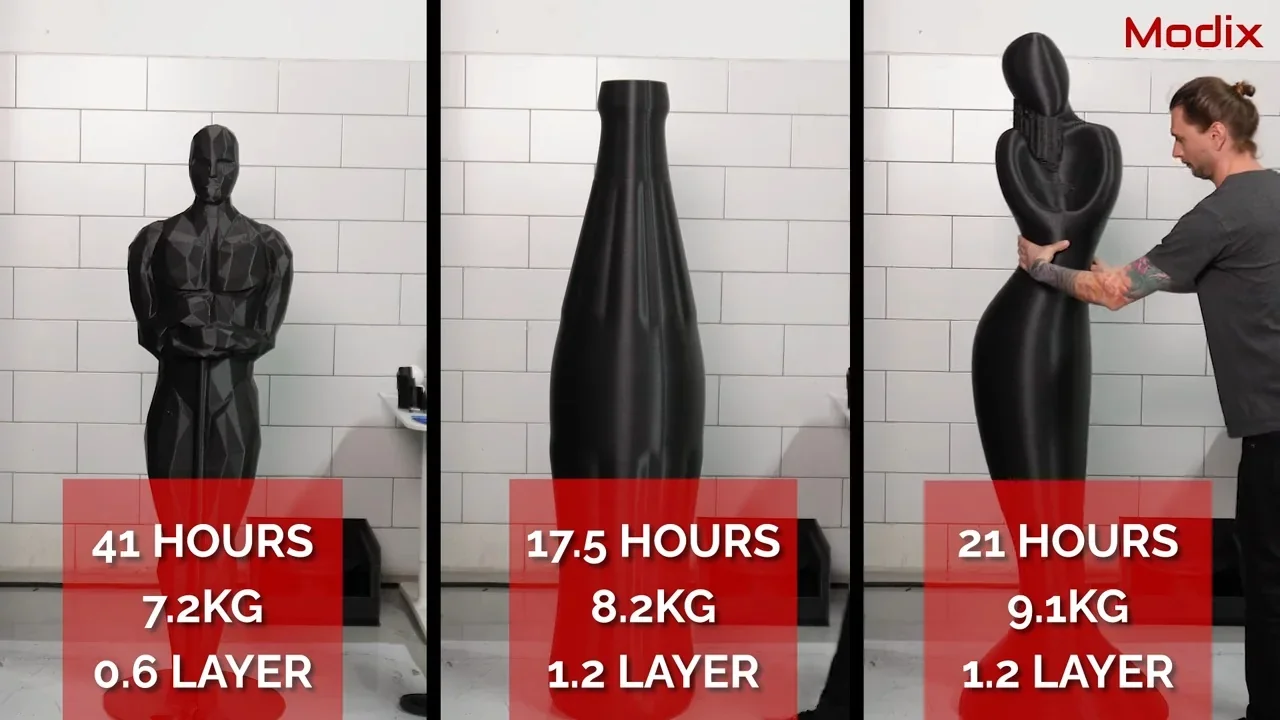
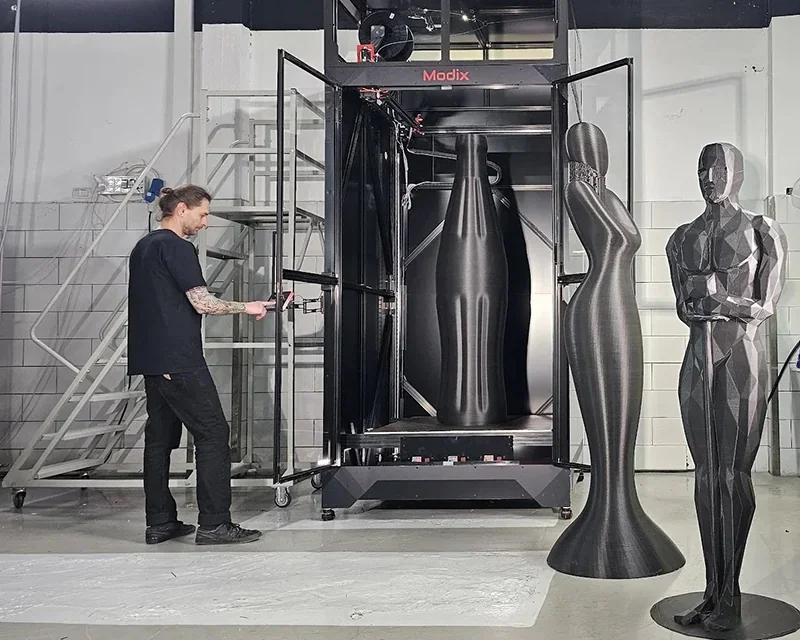
- A detailed large-scale Oscar statuette, printed in 41 hours with 7.2 kg at 0.6 mm layers — showcasing fine detail capability.
- A two-meter bottle with two perimeters, printed in 17 hours using 8.2 kg of filament at 1.2 mm layers — smooth despite thick layers.
- A full-scale statue, completed in 21 hours using 9.1 kg at 1.2 mm layers — demonstrating speed, structural integrity, and surface quality.
The Everest’s reinforced 4080 mm frame and HIWIN rails ensure stability during tall prints. The bed moves down smoothly on Z-profile rails, keeping the frame steady. Its motion system, with NEMA-23 motors on X and Z axes, delivers 10-micron accuracy on X/Y and 0.5 microns on Z.
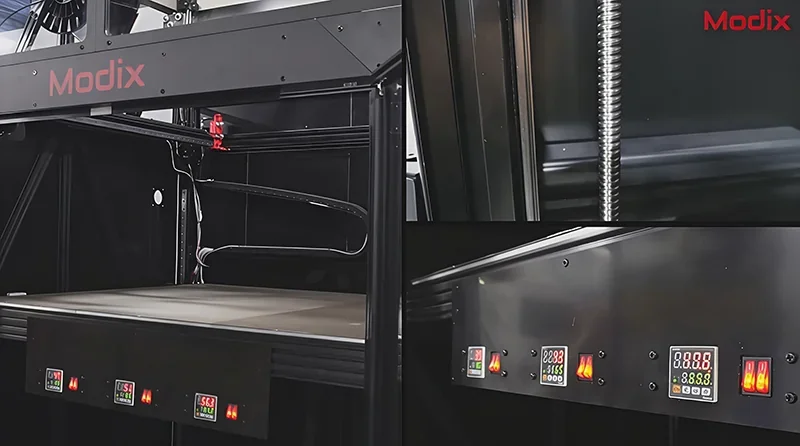
The Everest features automatic calibration with 100 probing points and bed tilt adjustment, ensuring consistent first-layer adhesion across the build area.
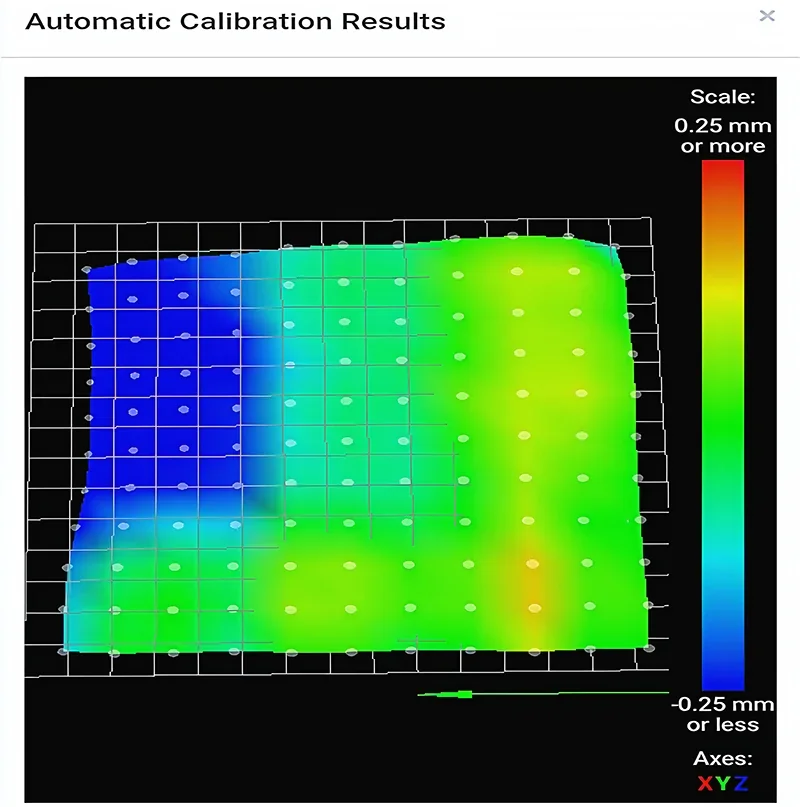
The Duet3D Wi-Fi controller with Duex5 expansion provides dedicated drivers for each Z and X motor, enabling automated calibration routines — bed tilt, leveling, gantry alignment, and Z offset — for precise printing, even at extreme heights.
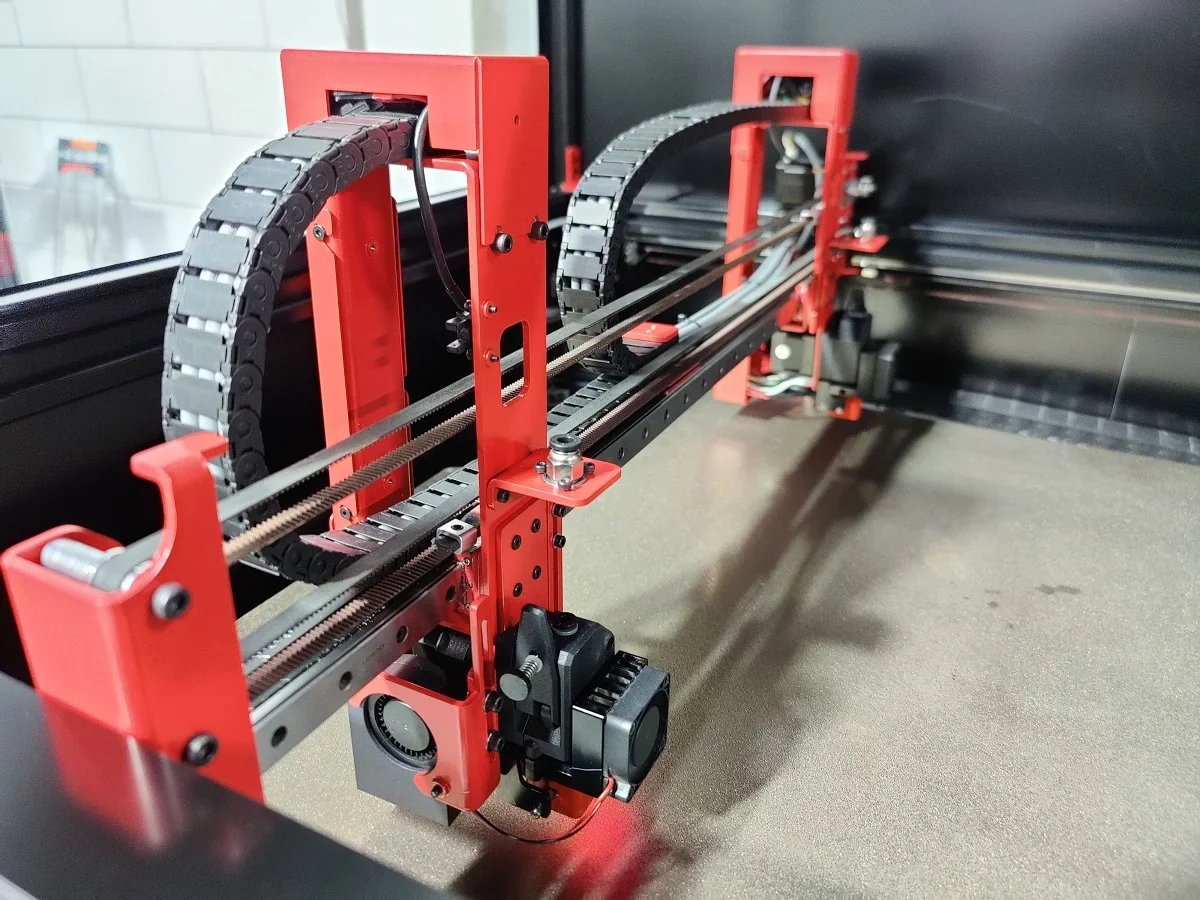
The standard Everest setup includes both Griffin and Griffin Ultra print heads, plus clog and crush detectors to monitor filament run-out, under-extrusion, and clogs — preventing failures and ensuring consistent quality during long prints.
Which filaments can you use with the Modix Everest FDM 3D printer?
The Modix Everest supports 15+ filament types, offering versatility for large-format printing. Its Griffin Ultra hotend reaches 500°C, handling standard materials like PLA, PETG, PVA, ABS, and high-performance filaments such as ASA, PC, and Nylon, as well as flexible TPU/TPE for elastomeric applications.
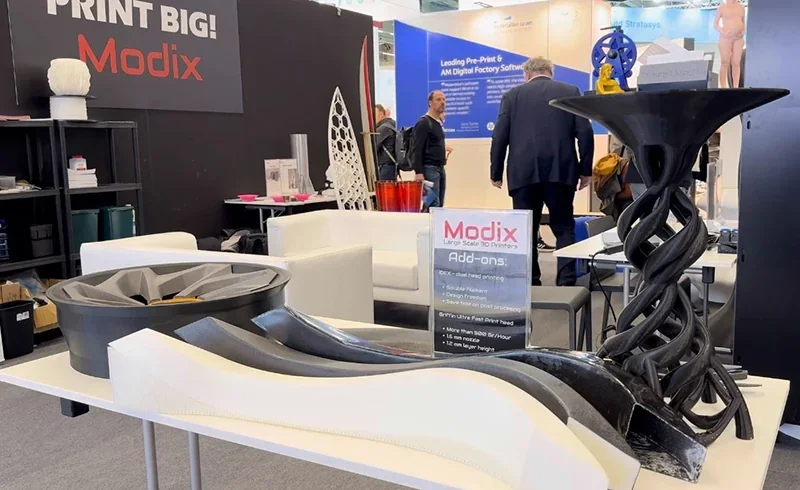
3D Print Samples:
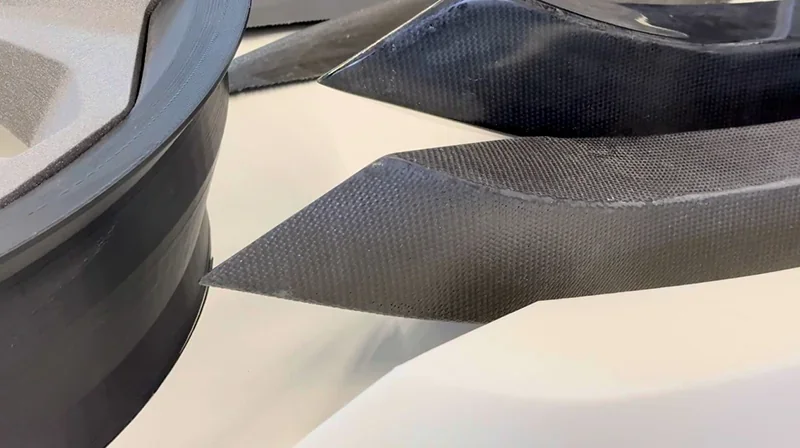
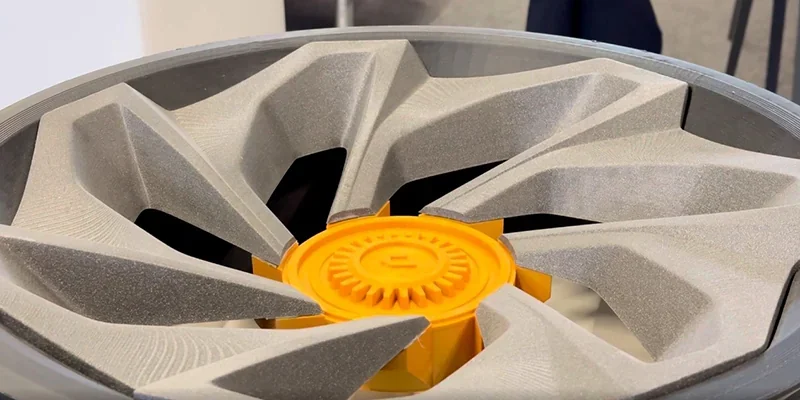
For specialized use, this Modix FDM professional 3D printer handles composite filaments like carbon, glass, and wood-filled materials. The optional Nozzle-X pack includes hardened, nickel-plated, non-stick nozzles that resist wear and maintain consistent extrusion with abrasive filaments. The Everest uses an open material system, allowing filaments from any manufacturer to suit specific project needs.
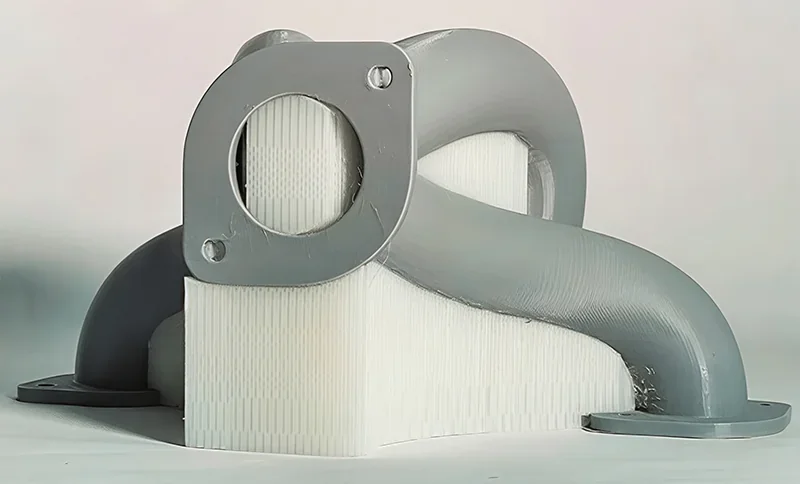
The optional IDEX dual print head allows use of soluble support materials for complex geometries. Paired with Modix soluble filament, this independent dual extruder setup enables intricate models with internal features, reducing post-processing while preserving model integrity.
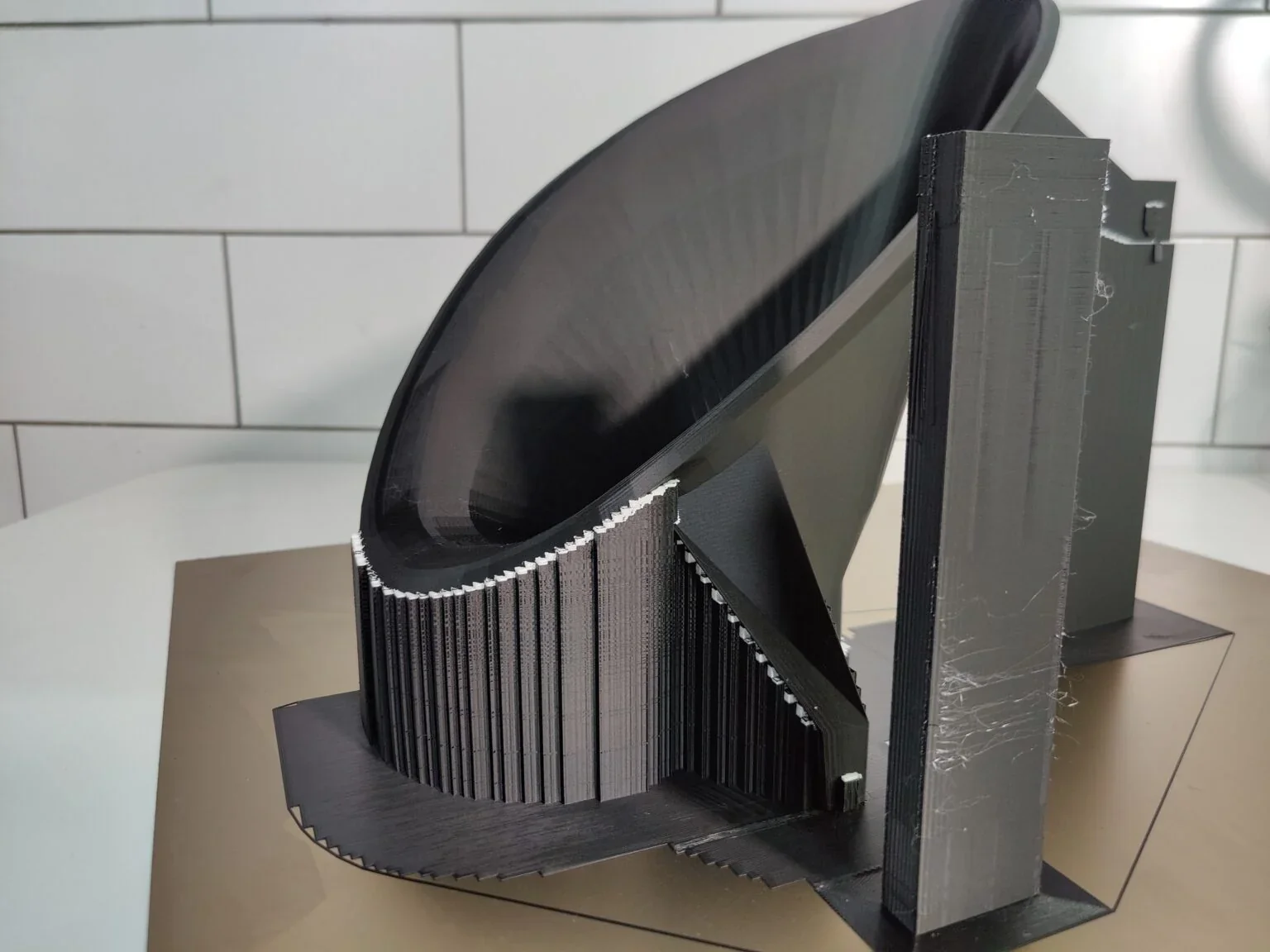
Printing with breakaway support filament
Printing with soluble support filament (PVA)
What is the build volume of the Modix Everest?
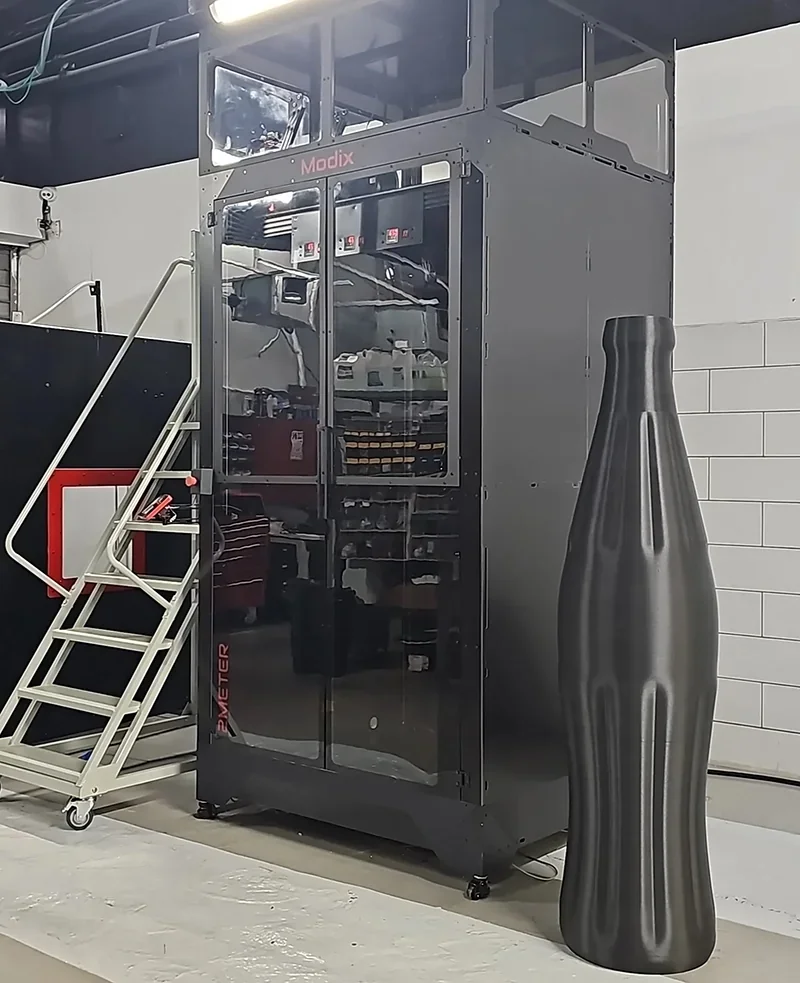
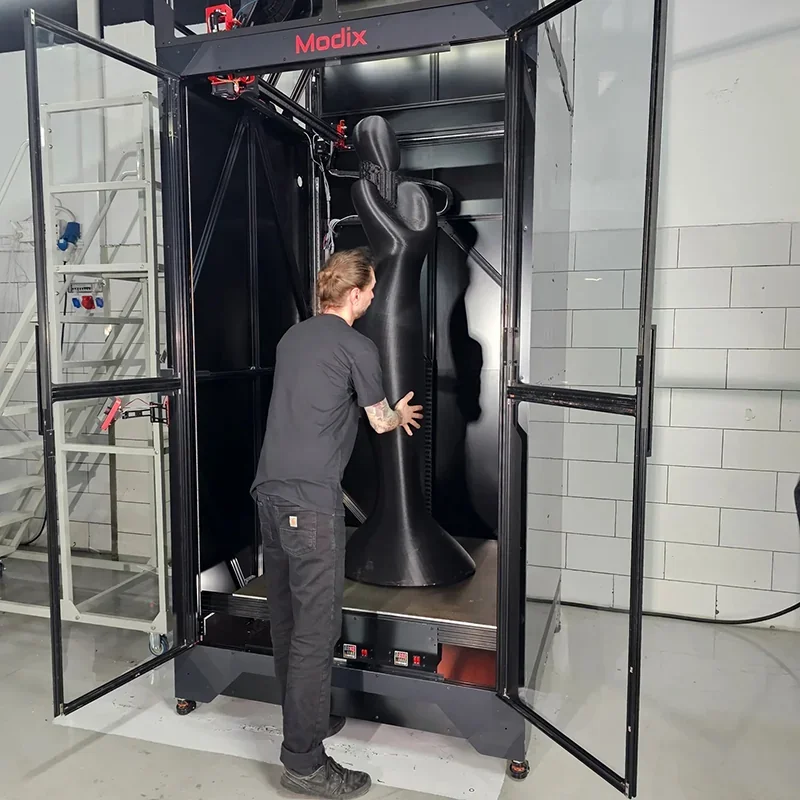
The Modix Everest offers a massive build volume of 970 x 1030 x 2000 mm (1998.2 liters), making it one of the tallest large-format 3D printing machines available. It can print objects up to two meters tall in one piece, eliminating the need for sectioning or assembly.
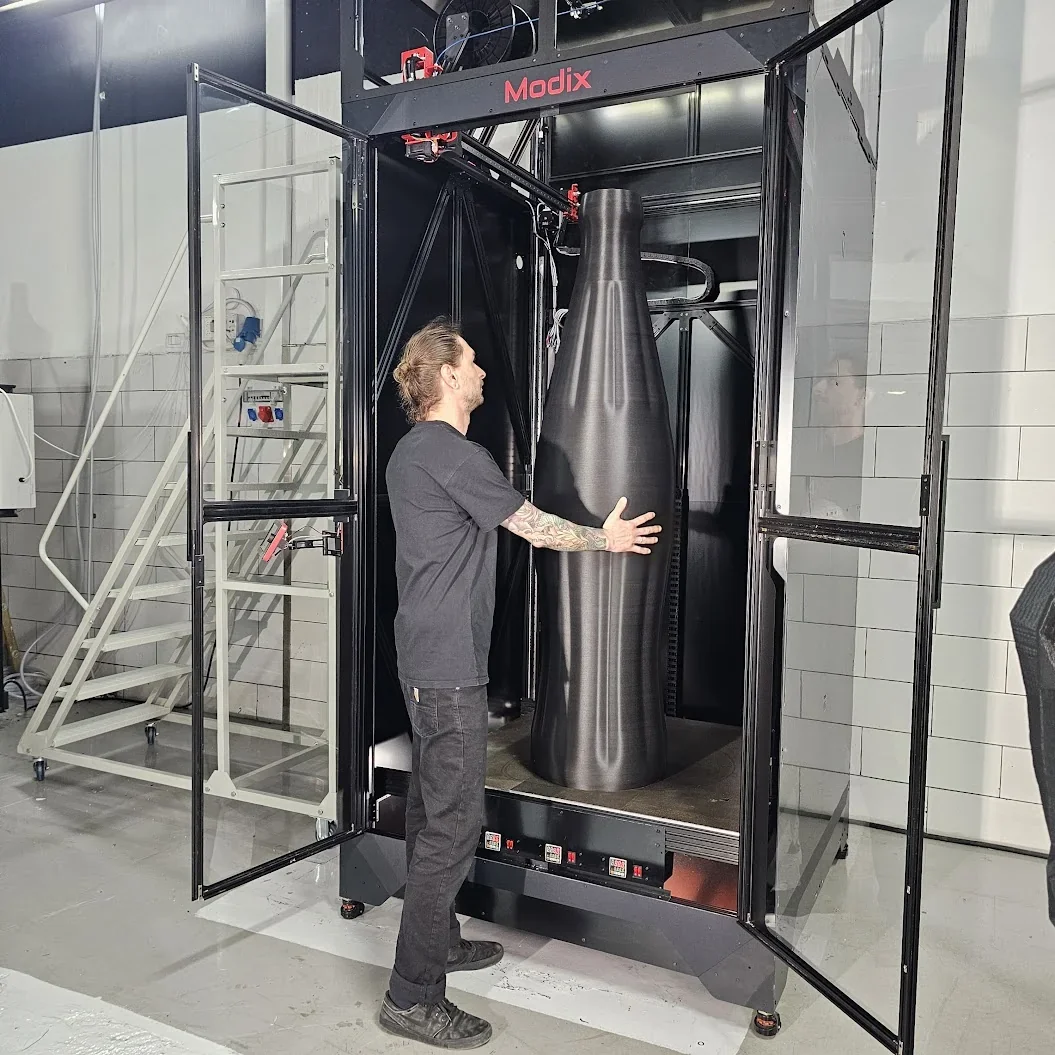
The Everest’s large build volume enables life-size prints in a single run avoiding assembly of smaller parts. The printer's enclosed chamber maintains stable internal ambient temperature, and HIWIN Z-rails ensure bed stability during downward movement.
What is the difference between the Modix Everest, Tronxy VEHO 1000-20, Dowell DM-2000 Plus and Builder Extreme 2000 PRO?
The Modix Everest model stands out with three key advantages: a Griffin Ultra print head delivering 5× faster print speed than competitors, a Duet3D 32-bit controller with 100-point auto bed leveling, and a reinforced 4080 mm frame that maximizes usable build volume.
Compared to rivals:
- Tronxy VEHO 1000-20 matches the 2-meter height at a lower cost but suffers from serious Z-axis instability, poor bed leveling design, fragile components, lack of documentation, and virtually nonexistent customer support — making it unreliable for consistent printing.
- Dowell DM-2000 Plus offers higher nozzle temps (420°C) but suffers from poor electronics assembly, underpowered PSU, an open enclosure, uneven bed leveling, safety concerns due to the use of a glass bed, and no-name components, e.g. belts, and linear rails — requiring significant user upgrades and expertise to operate safely and effectively.
- Builder Extreme 2000 PRO is the most expensive yet limited to 1.7 m height and 260°C nozzle temperature, restricting material options.
With true 2-meter capacity, high-speed extrusion, and precise motion control, the Everest justifies its higher price by delivering superior large-format print performance.
| Specification | Modix Everest | Tronxy VEHO 1000-20 | Dowell DM-2000 Plus | Builder Extreme 2000 PRO |
|---|---|---|---|---|
| Build Volume (mm) | 970 x 1,030 x 2,000 | 1000 x 1000 x 2000 | 1000 x 1000 x 1600 (up to 2000 mm custom) |
700 x 700 x 1700 |
| Price (USD) | $40,000+ | $8,000+ | $8,450–$12,000+ | $40,000+ |
| Max. Nozzle Temp (°C) | 350–420 | 320 | 420 | 260 |
| Max. Bed Temp (°C) | 110 | 110 | 100–150 | 70 |
| Enclosed | Yes | Optional | Optional | Yes |
| Weight (kg) | 236 | 240 | ~200 | ~350 |
| Assembly | Self-assembly kit or assembled by Top3DShop | Self-assembly kit | Self-assembly kit | Factory assembled |
What printer controls are available on the Modix Everest?
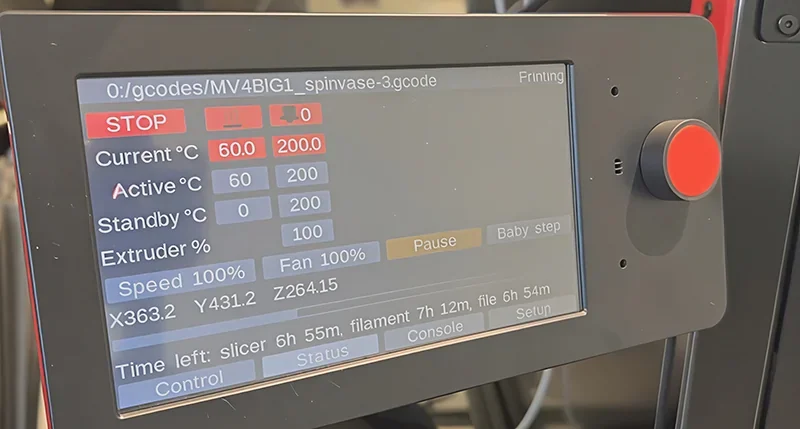
The Modix Everest provides 3 distinct printer control methods: Duet3D web interface, SD card transfer, and USB file transfer.
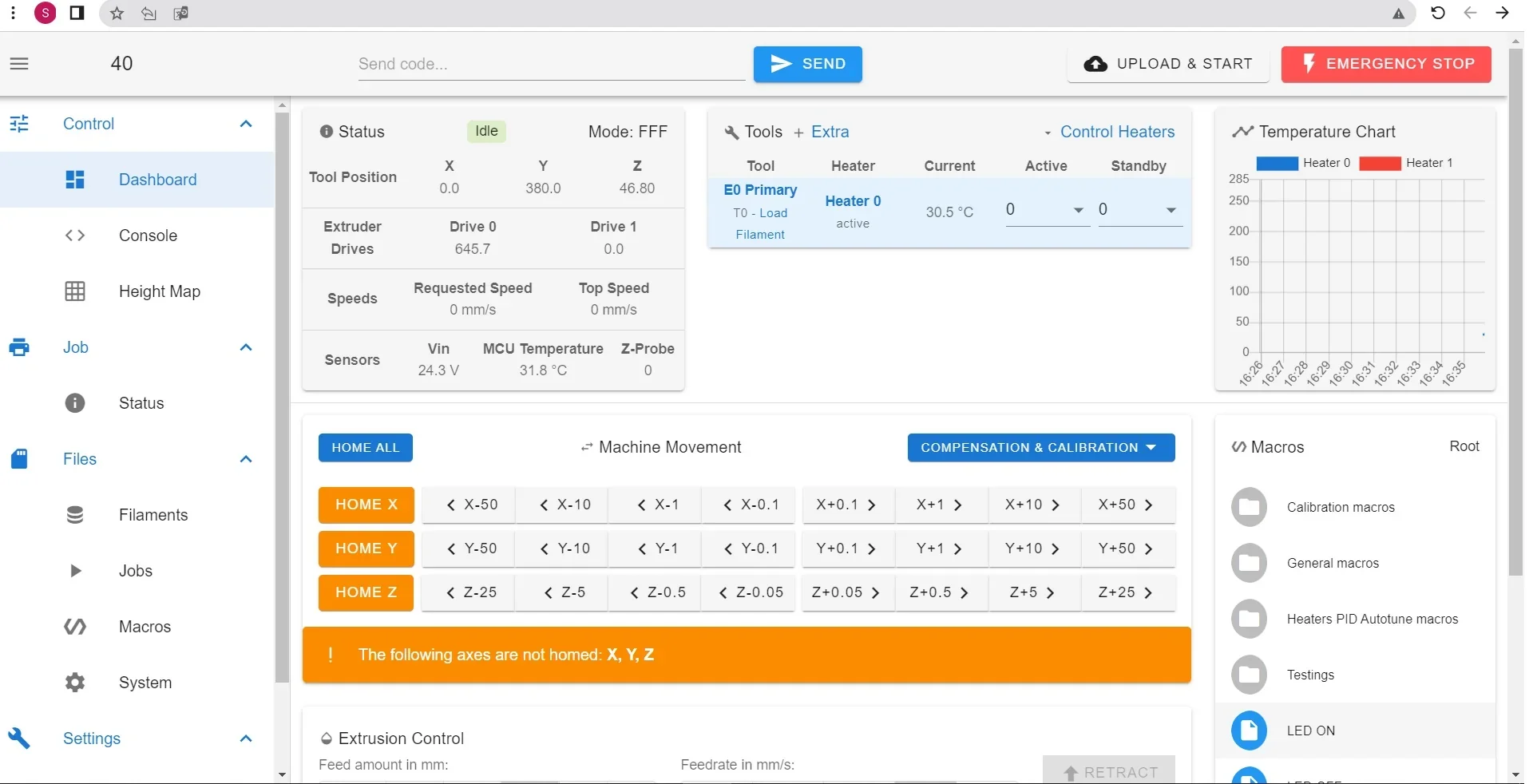
1. Duet3D Web Interface (Wi-Fi)
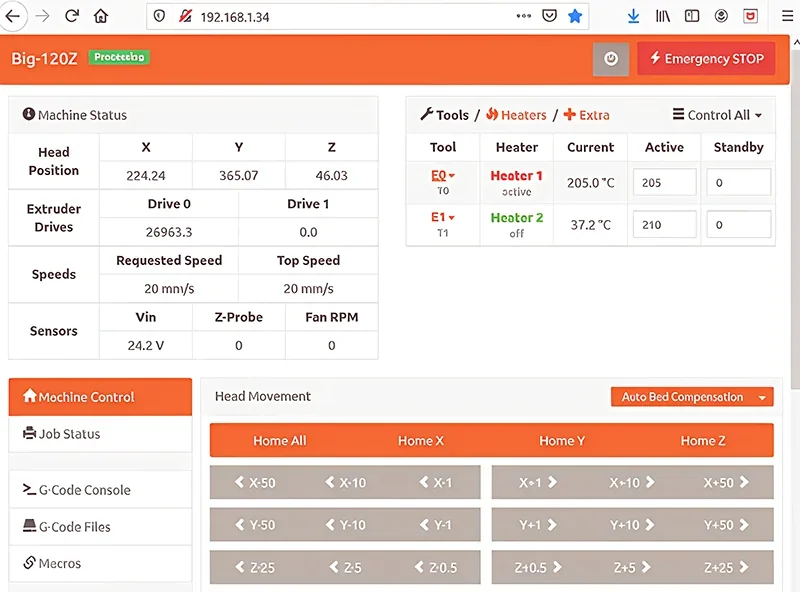
The Everest's Duet3D Wi-Fi 32-bit controller with Duex5 expansion enables remote operation via web browser. Users can upload G-code, monitor prints, run calibrations, and update the system from any networked device. The interface also supports macros and 100-point bed leveling.
2. SD Card File Transfer
The Everest supports standalone printing via direct SD card use. Users can run G-code, macros, and calibration routines without network connectivity.
3. USB File Transfer and Direct Connection
The Everest supports USB file transfers and direct connection to a host computer, enabling real-time control via slicing software or command-line tools for users needing wired access.
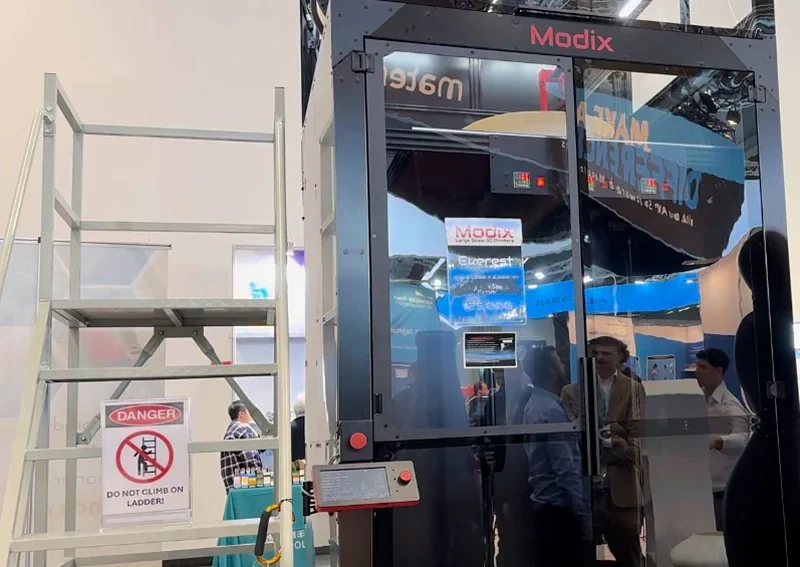
The Duet3D controller with Duex5 automates filament sensors, bed leveling, and thermal management, ensuring consistent performance across all control methods.
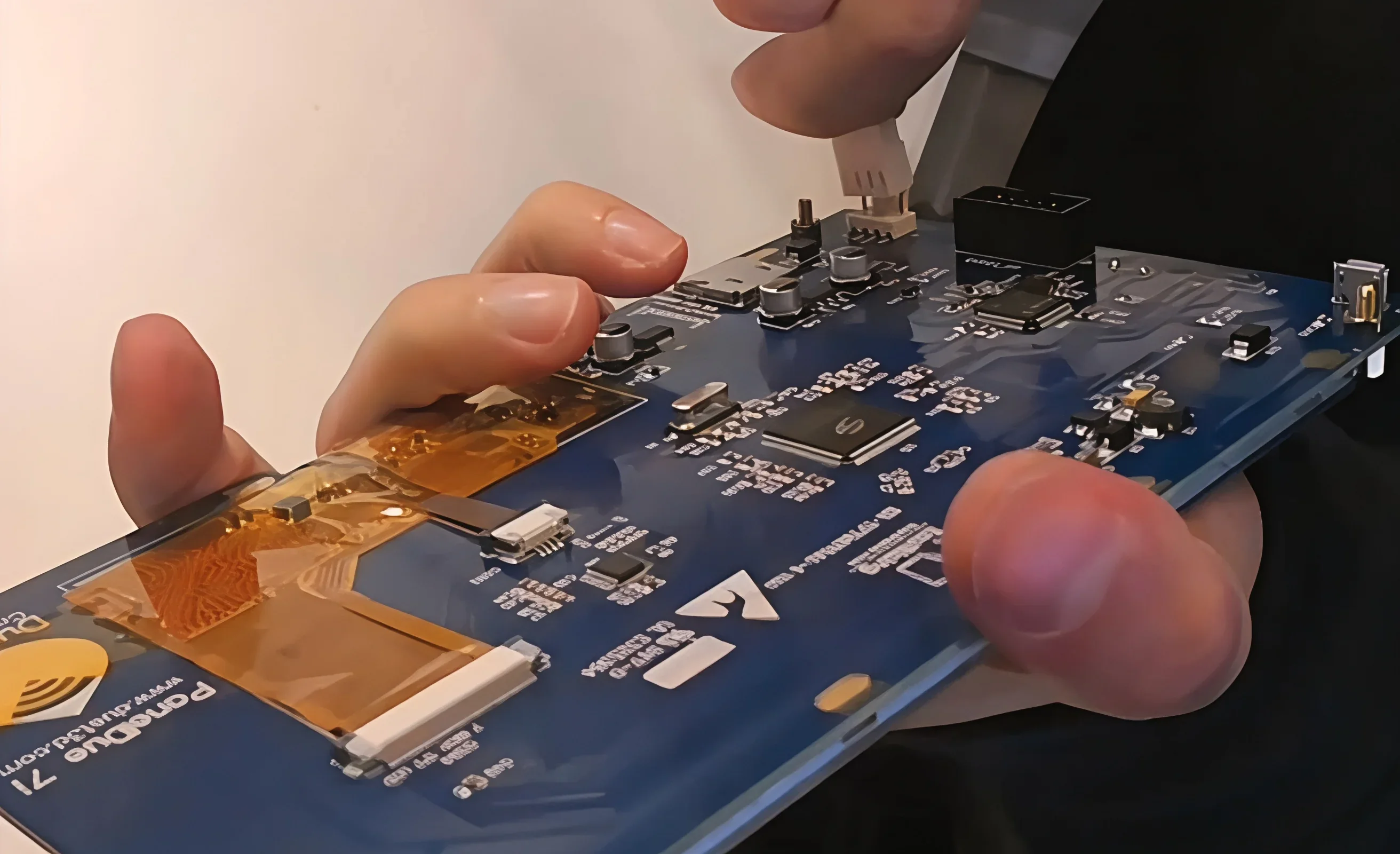
What connectivity options are available on the Modix Everest?
The Modix Everest offers 3 connection methods — USB, SD card, and Wi-Fi connectivity — via its Duet3D controller and Duex5 expansion. USB and SD slots support direct file transfers from external storage.
The integrated Wi-Fi module allows remote monitoring and control via web interface from any PC or mobile device on the same network. Wi-Fi is especially useful for the Everest’s height, removing the need to access the control panel. Users can upload files, monitor progress, and make adjustments remotely.
What software is offered with the Modix Everest?
The Modix Everest supports Cura, Simplify3D, PrusaSlicer, and OrcaSlicer, and includes dedicated print profiles for each to ensure optimal performance.
The Everest runs on RepRapFirmware, offering flexible, configurable control. It powers automatic bed tilt calibration and 100-point leveling. Files can be sent via the Duet Web Control interface from any networked device. The system supports multiple 3D model formats, avoiding reliance on proprietary software.
What is the design and build quality of the Modix Everest?
What is the design and form factor of the Modix Everest?
The Modix Everest stands at 53.4 x 56.9 x 120.8 inches (1356 x 1445 x 3068 mm) and weighs 520.3 lbs (236 kg). Its reinforced frame uses 4080 mm T-slot aluminum profiles for the structural rigidity needed to support its 2-meter print height.
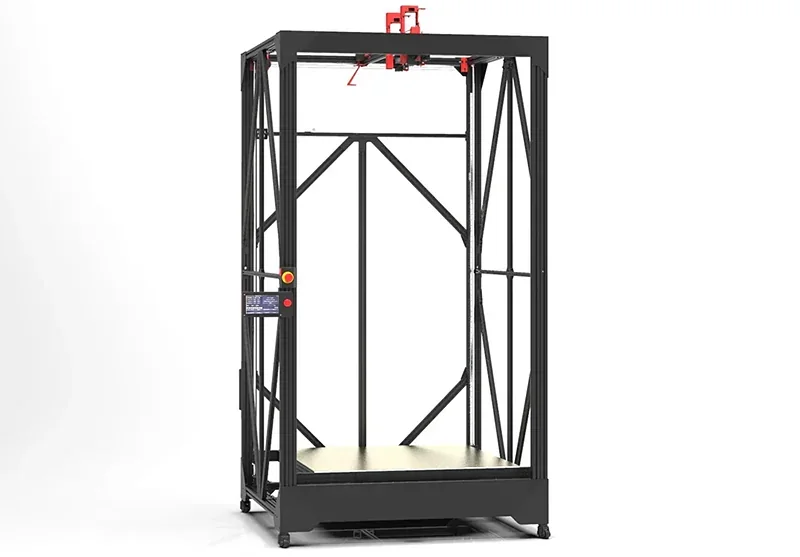
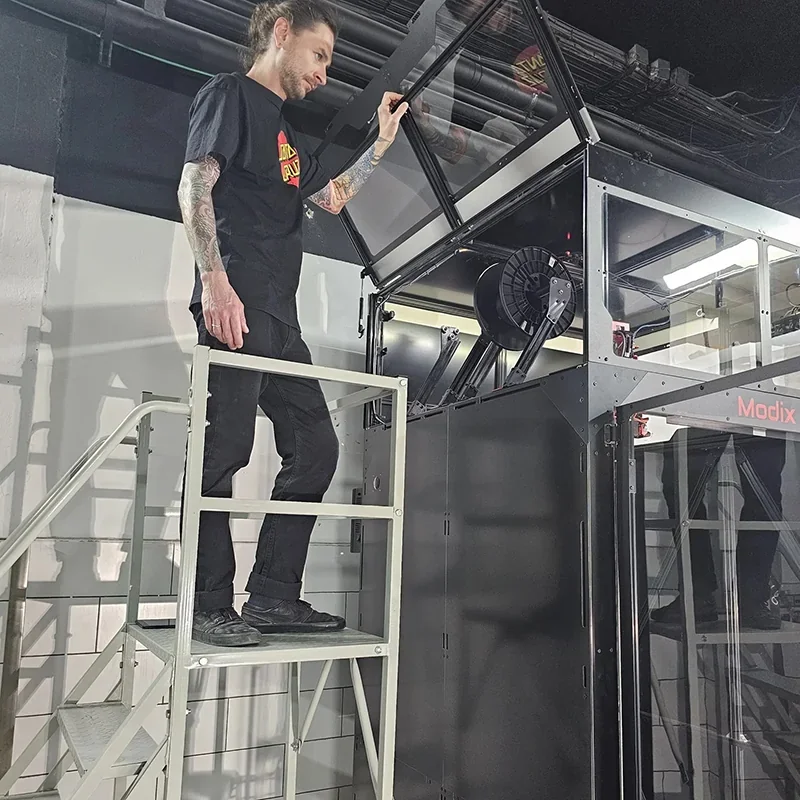
The Modix Everest includes a full enclosure with elastic seals, reinforced hinges, and a pneumatic top cover to maintain internal temperature. An internal holder for filament spools enhances safety but requires ladder access for filament changes and high-point maintenance.
What is the motion system of the Modix Everest?
The Modix Everest uses a precision motion system with upgraded NEMA-23 stepper motors and dedicated drivers for each Z and X axis via the Duex5 expansion board.
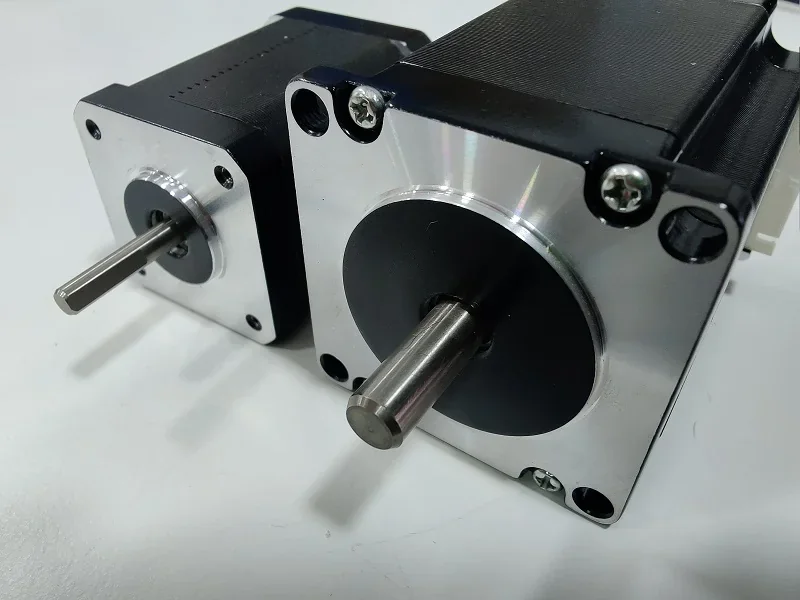
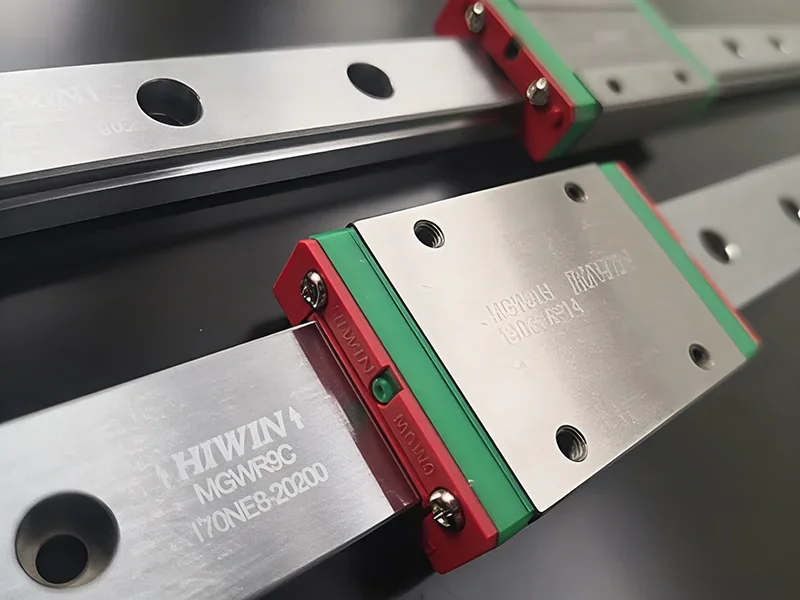
The motion system uses HIWIN rails on the Z-axis for bed stability, along with Gates timing belts for smooth, precise movement.
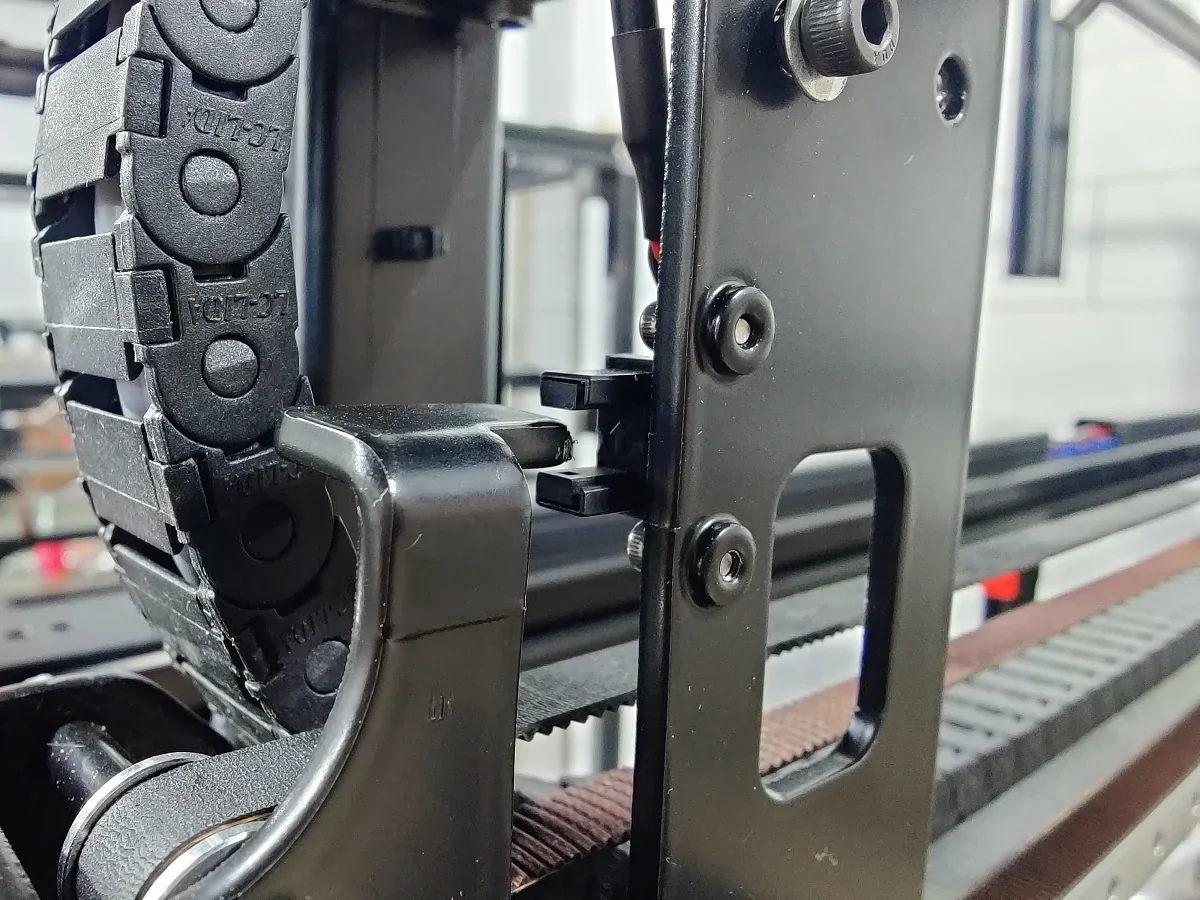
The Modix Everest reaches travel speeds of 350 mm/s and print speeds up to 250 mm/s, using optical end-stop switches for improved accuracy and repeatability over mechanical ones.
What is the noise level of the Modix Everest?
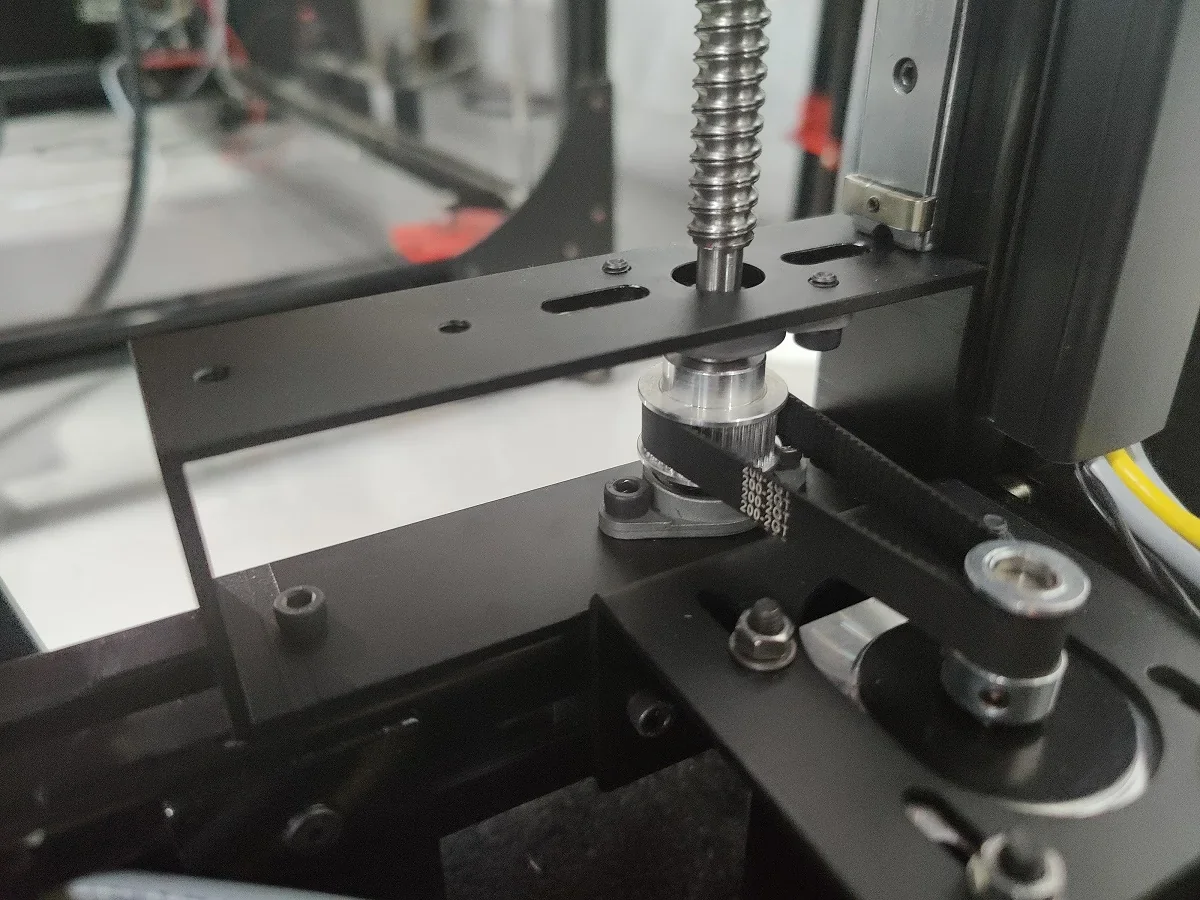
The Modix Everest uses NEMA-23 motors and Gates belts, producing typical noise levels for large-format FDM kits. It lacks active soundproofing; the enclosure offers only basic noise containment.
What are the build platform specifications of the Modix Everest?
The Modix Everest features a heated build platform measuring 970 x 1030 x 2000 mm (1,994 liters), mounted on HIWIN linear rails along the Z-axis for stable vertical movement.
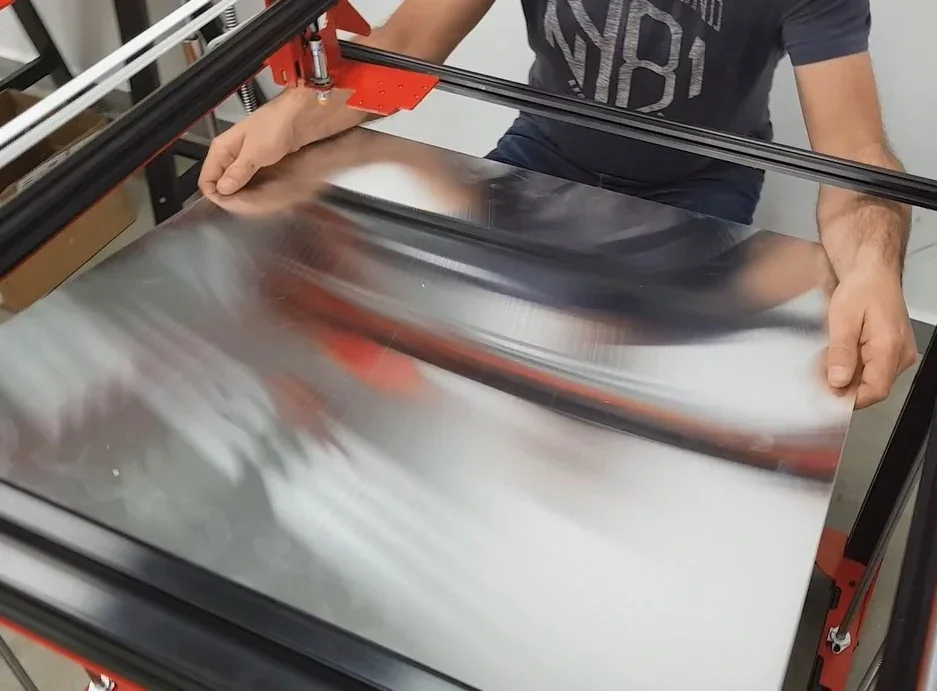
The Modix Everest supports optional magnetic flex beds for easy part removal, avoiding the need to reach into the back of the 2-meter chamber during extraction or maintenance.
What is the hotend and extruder system of the Modix Everest?
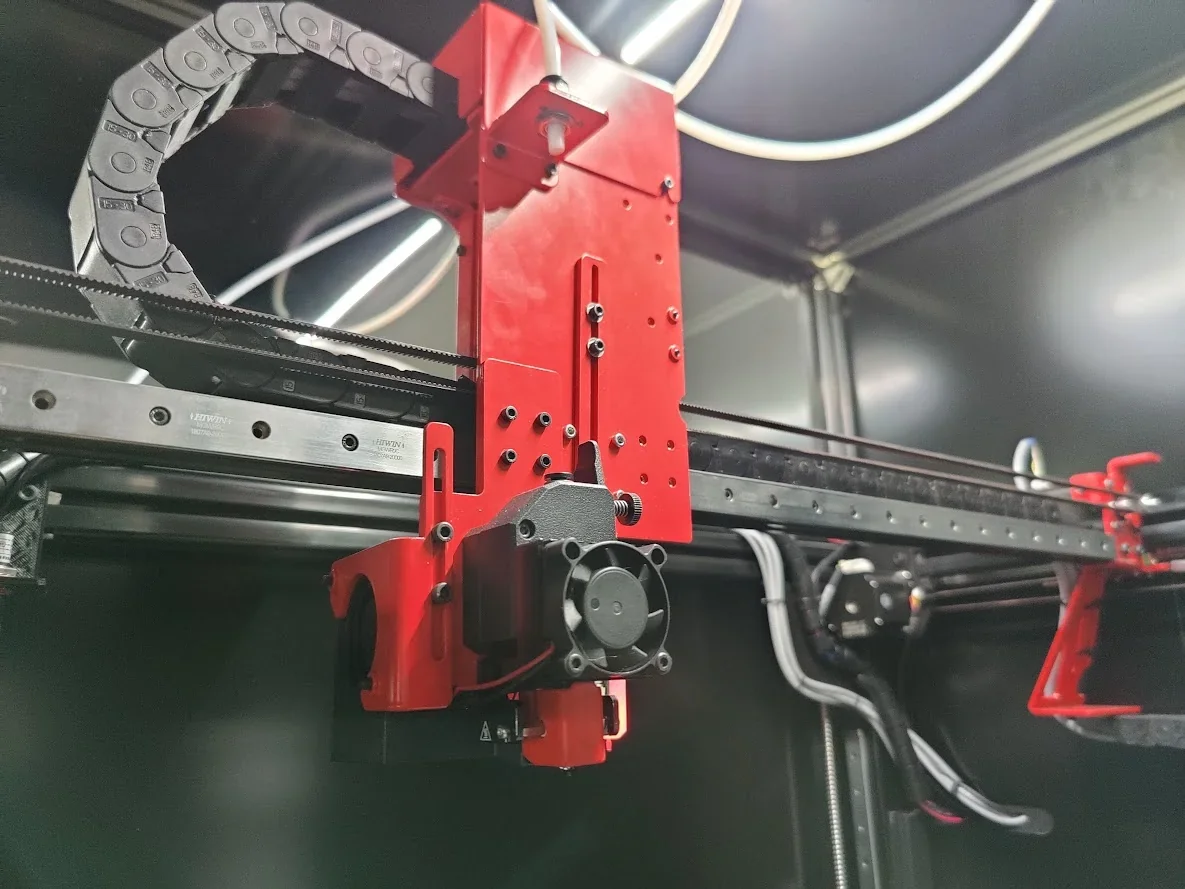
The Modix Everest’s Griffin Ultra hotend processes over 500 g/hour using custom Bondtech extruders and E3D Super Volcano hotends. It includes 0.4, 0.6, and 0.8 mm Volcano brass nozzles, with 1.0 and 1.2 mm options available.
How does the Modix Everest handle filament storage and feeding?
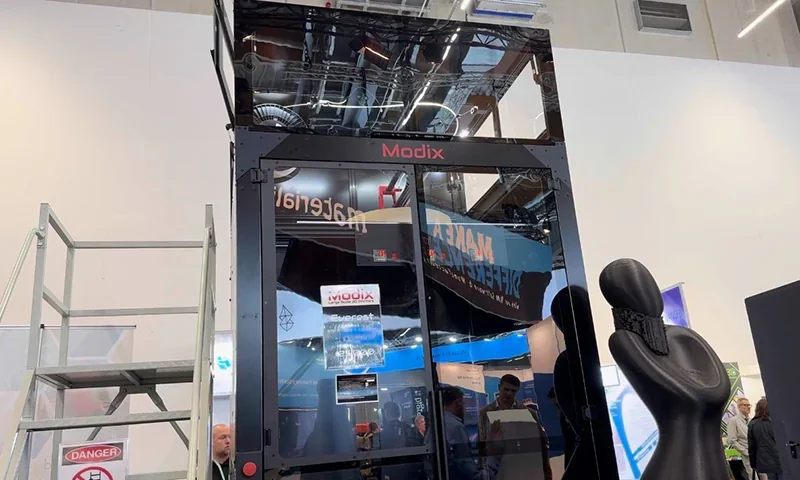
The Modix Everest stores filament inside the enclosed chamber, with internal spool holders for improved safety and temperature stability.
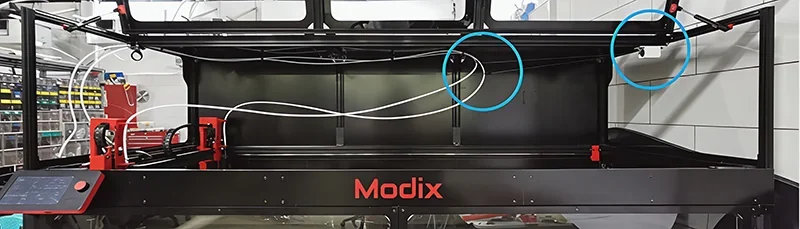
The system includes filament sensors that detect run-out, under-extrusion, and clogs for automated monitoring.
The Modix Everest's fourth-generation design improves PTFE tube and wire management, offering smoother maintenance access and better filament routing than previous versions.
What is the mainboard of the Modix Everest?
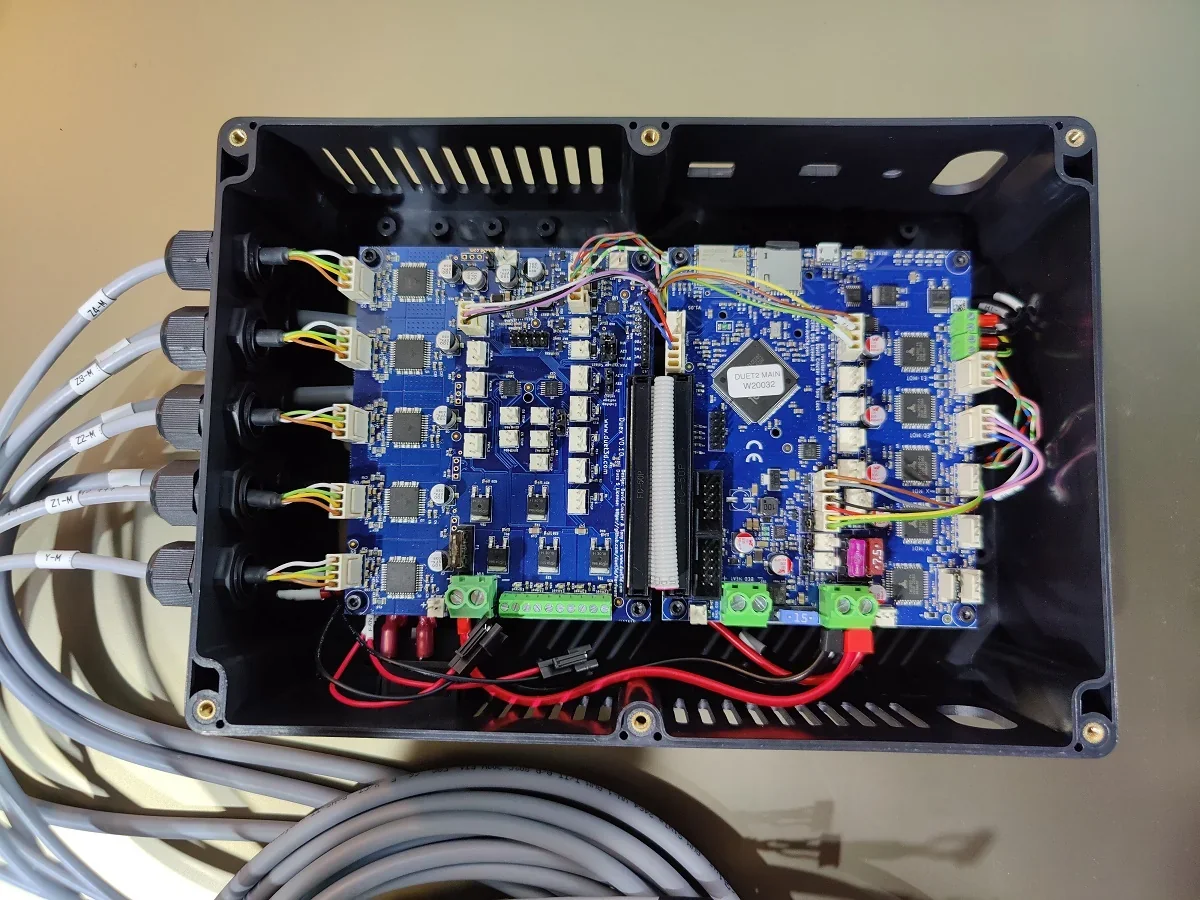
The Modix Everest uses a Duet3D Wi-Fi 32-bit controller with a Duex5 expansion, providing dedicated drivers for each axis. It supports automated calibration routines — bed tilt, leveling, gantry alignment, and Z-offset — as well as Wi-Fi, USB, and SD card connectivity for remote or standalone operation.
What are the power supply specifications of the Modix Everest?
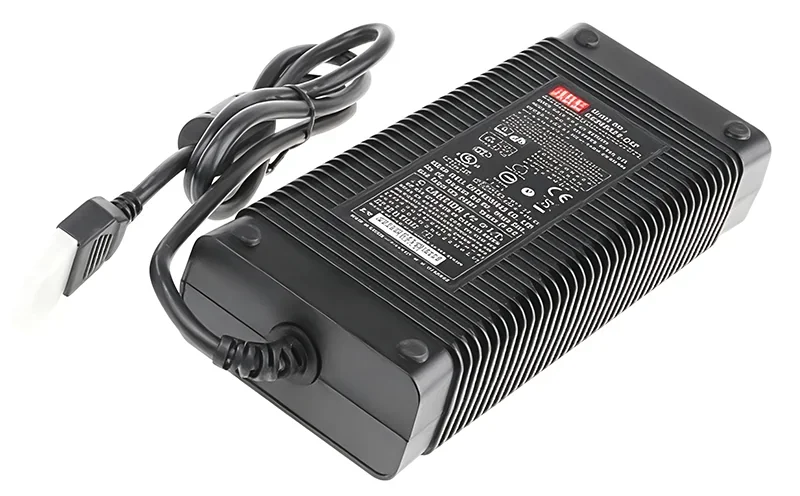
The Modix Everest uses a dual-voltage power system (110V/230V). Motion electronics run on a 24V 280W Meanwell PSU with built-in protections and <0.5W no-load draw. The heated bed uses a separate 1370W (or 1200W at 110V) AC heater, managed by an Autonic PID controller and requiring a dedicated 15A AC line. Aviation-grade switches and connectors ensure reliability, with an optional Power Distribution Unit (PDU) for consolidating AC cables and improving safety.
What comes included in the box with Modix Everest?
The Modix Everest ships with:
- All parts required to assemble the Modix Everest 3D printer
- Powder-coated aluminum components
- Aluminum print bed with PEI surface
- Hex and screwdriver sets
- Cable and wire sets
- Power cords
- Power supply
- Power Distribution Unit (PDU)
- Enclosure components
- Casters (4x)
- 7-inch tilting LCD touchscreen
- Modix Griffin standard printhead
- Griffin Ultra high-flow printhead
- Internal spool mounting hardware
- SD card with software and documentation
The Modix Everest ships as a self-assembly kit, making it easy to transport through narrow spaces and install in rooms with standard ceilings despite its 3-meter assembled height. The kit includes detailed instructions via a customer portal, along with print profiles, firmware, and technical docs. A 12-month warranty and lifetime support are included.
Please Note: Package contents are determined by the manufacturer and may change without notice. To confirm the current items included with this product, please contact a Top3DShop sales representative before placing your order.
What upgrades and accessories are available for the Modix Everest?
The Modix large 3D printers support 10+ upgrades.
| Accessory | Function | MSRP (USD) | Image |
|---|---|---|---|
| Dual Print-Head Upgrades & Calibration Tools | |||
| IDEX Dual Print-head | Independent dual print-head upgrade for printing with a dedicated support material; can also function as an automatic filament changer. | $1,232.00 | 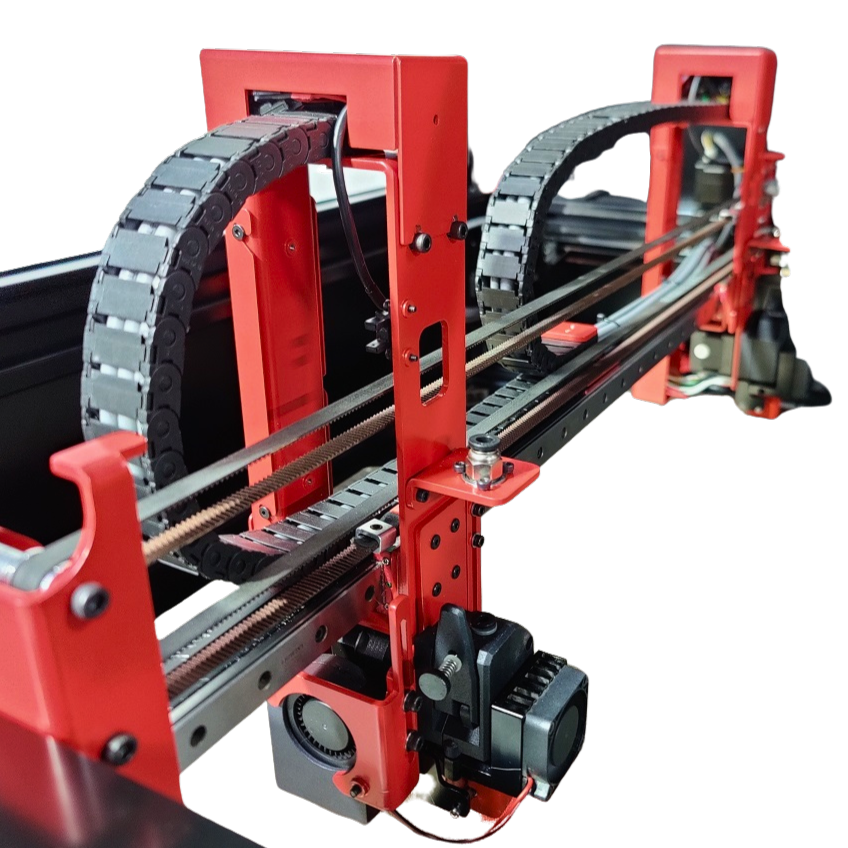 |
| IDEX Calibration Tool | Hands-free calibration tool to ensure optimal nozzle alignment for the IDEX system. | $280.00 | 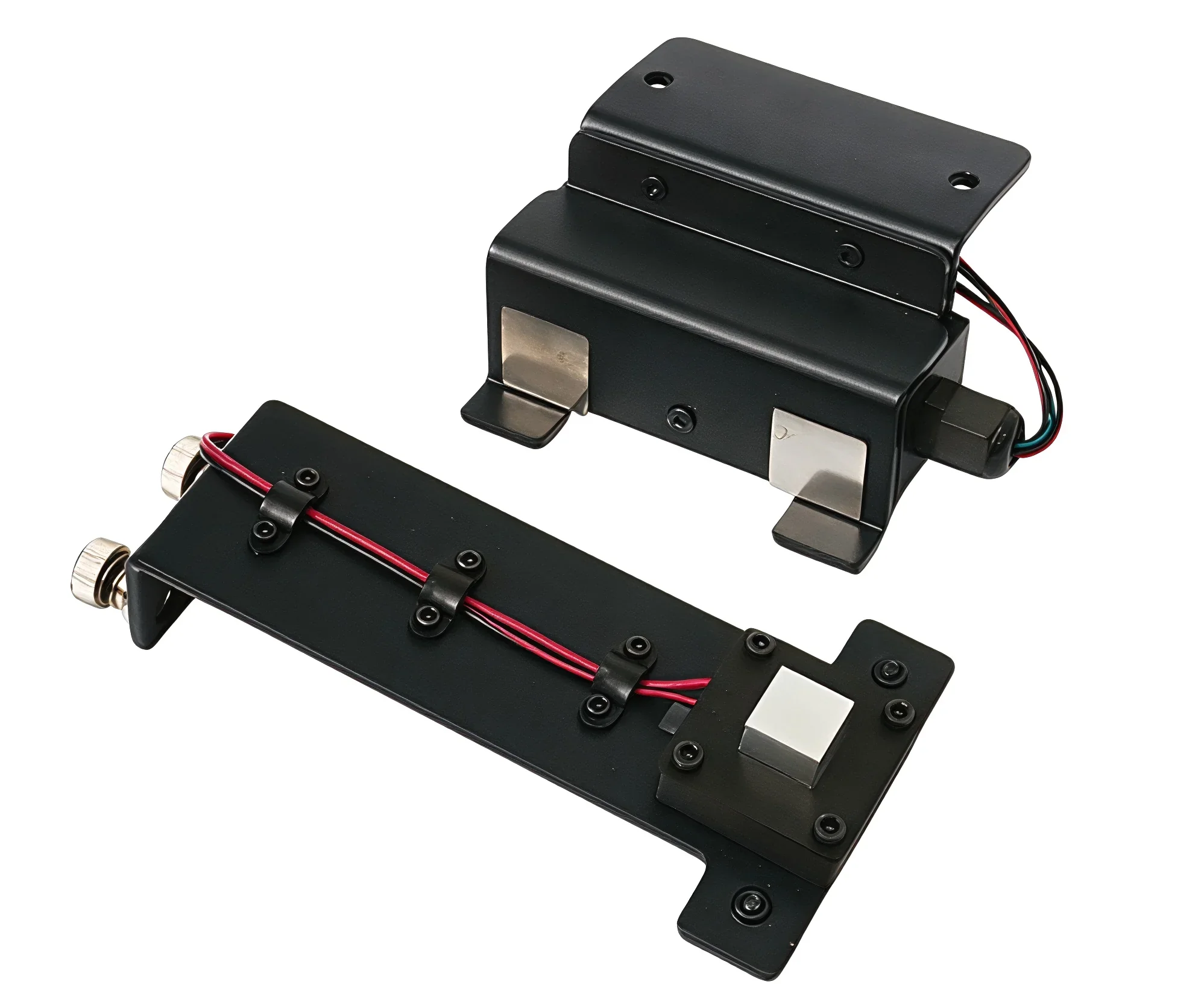 |
| Build Plate & Print Surface Upgrades | |||
| Magnetic Bed | Magnetic build surface upgrade for easier part removal and easier bed maintenance; recommended to reduce downtime from replacing degradable PEI sheets. | $1,904.00 | 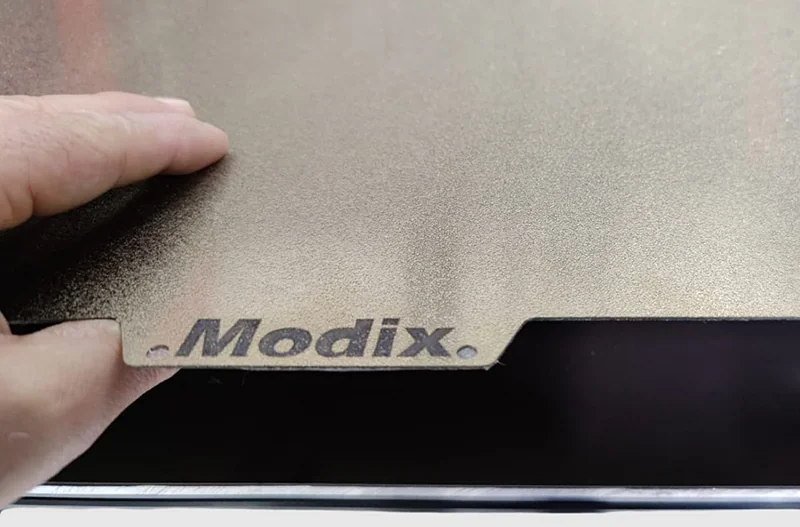 |
| Air Filtration & Replacement Filters | |||
| Active Air Filter | Three-stage air filtration device: pre-filter (dust), HEPA filter (sub-micron particles), and active carbon filter (fumes). | $1,512.00 | 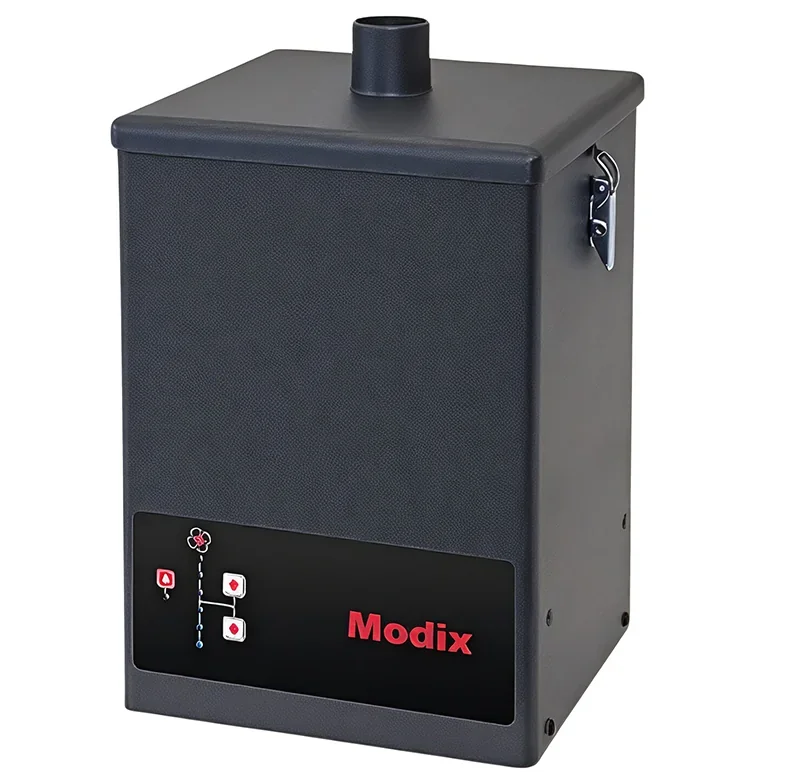 |
| Filter Spares Set | Replacement filter set for the Active Air Filter (includes 5× pre-filters and 1× HEPA/carbon combo filter). | $336.00 | 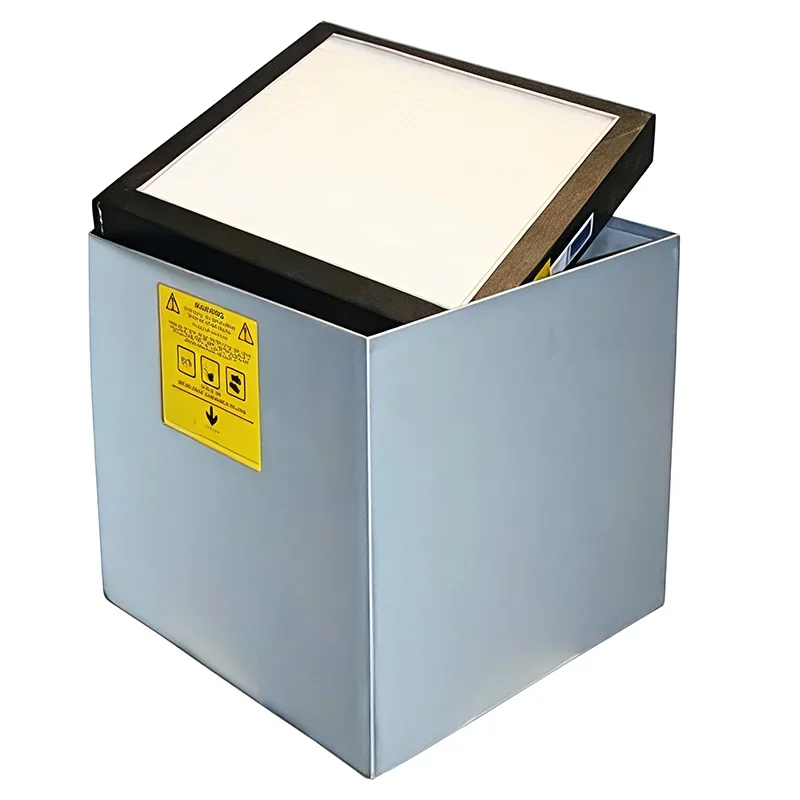 |
| Hotend Upgrades & Spare Hotend Parts | |||
| Griffin High-Flow | High-flow hotend upgrade (includes Griffin HF heat-block, 80W heater, PT-1000 thermistor, and 1.0 mm nozzle). | $392.00 | 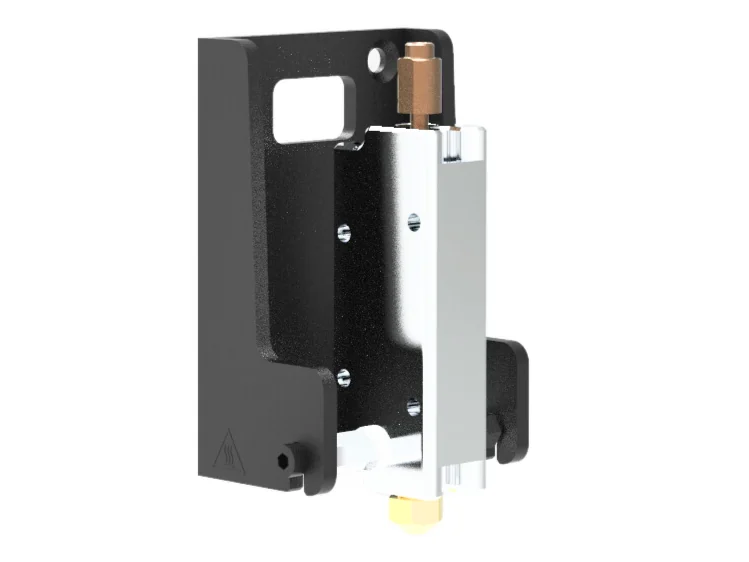 |
| Spare Griffin Hotend | Spare Griffin hotend set for replacement (includes bi-metal heatbreak, Griffin heat block, 0.4 mm nozzle, 50W heater, PT-1000 thermistor, and silicon sock). | $201.60 | 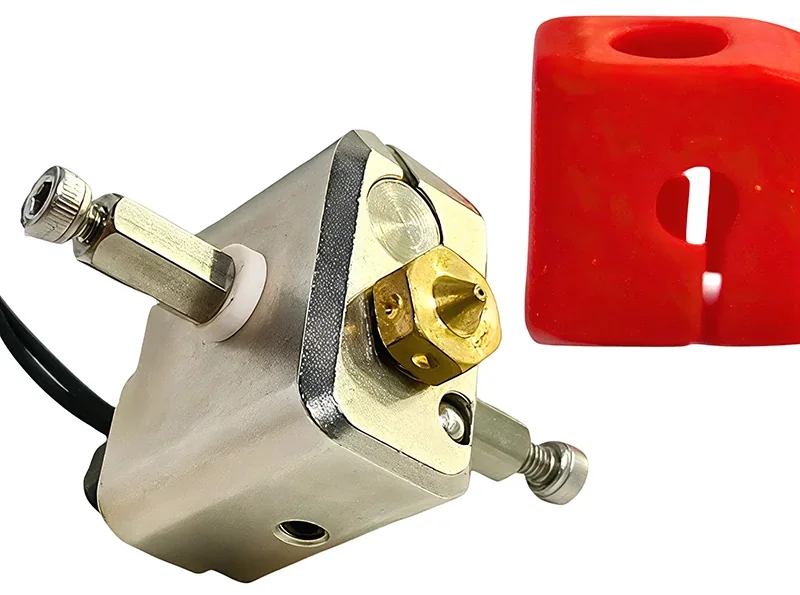 |
| Nozzles | |||
| Volcano Brass Nozzles | Volcano brass nozzle pack with 5 nozzle sizes (0.4 / 0.6 / 0.8 / 1.0 / 1.2 mm) for high-flow, fast printing; 0.4 / 0.6 / 0.8 mm come by default with the printer. | $67.20 | 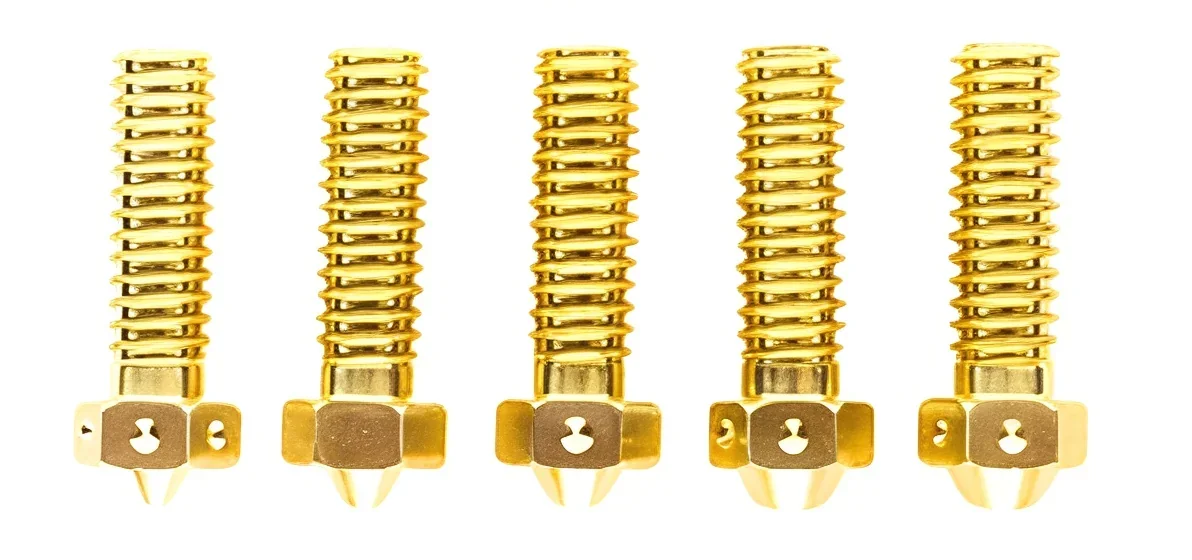 |
| Nozzle-X Pack | Volcano Nozzle-X hardened nozzle pack with 3 nozzle sizes (0.4 / 0.6 / 0.8 mm) for abrasive materials (e.g., carbon fiber-filled, glass fiber-filled, wood, glitter); nickel-plated with non-stick coating; rated up to 500°C. | $190.40 | 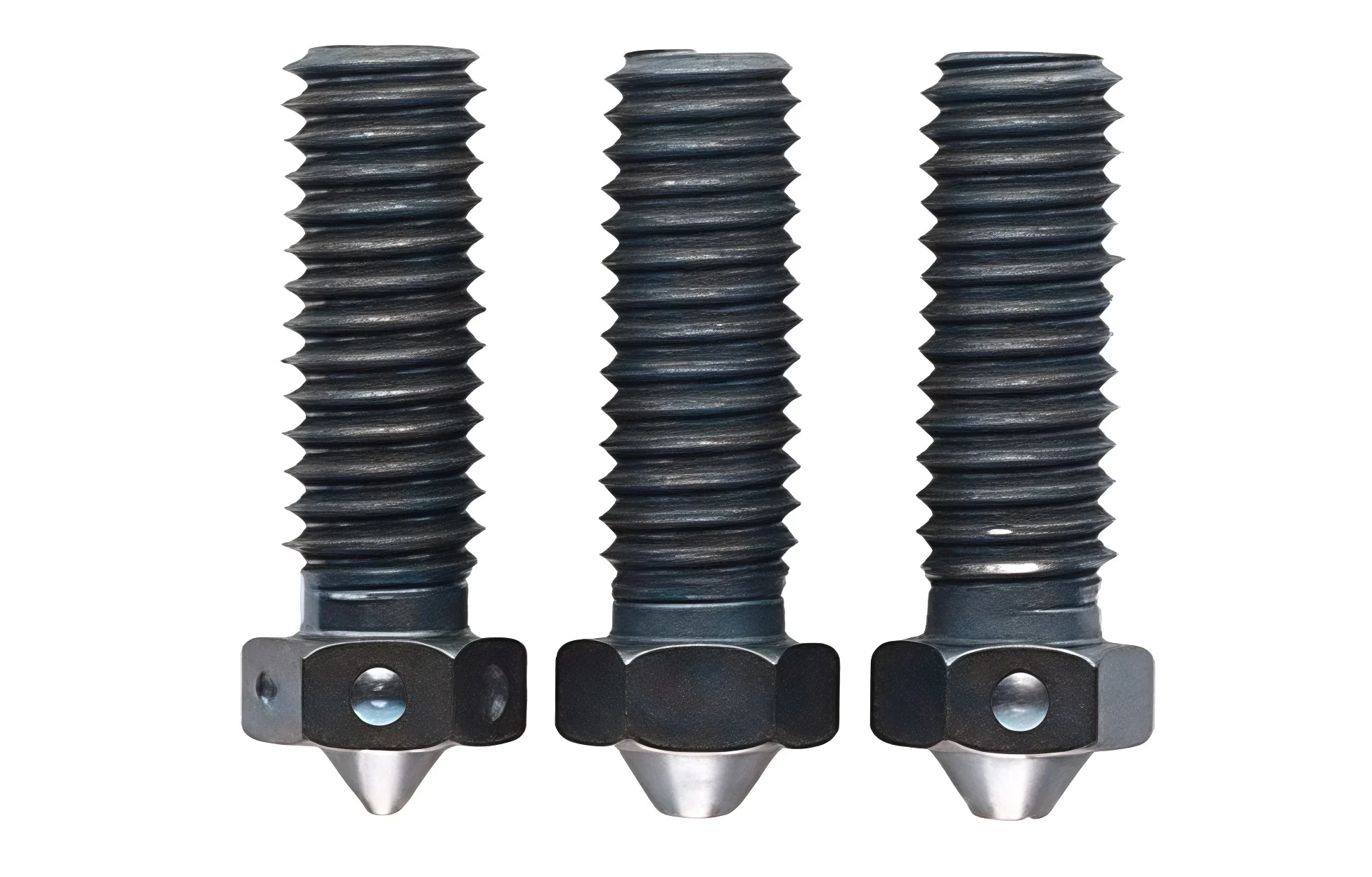 |
| Maintenance Kits (Spare Parts Bundles) | |||
| Basic Maintenance Kit | Essential spare components for the print head and motion system to keep the printer running smoothly. | $336.00 |  |
| Advanced Maintenance Kit | Extended spare parts kit (belts, pulleys, screws, bearings, motors, printhead parts, fasteners) designed to fit Modix printers V4. | $1,568.00 | 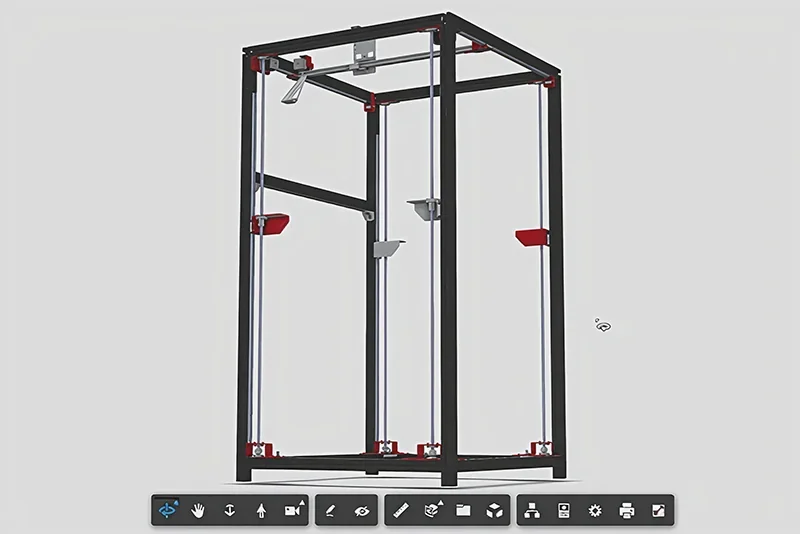 |
| Support Materials & Dissolution Supplies | |||
| Soluble solution – 1000g | Dissolution solution used with water to dissolve prints made with soluble filament; 1000g. | $39.20 | 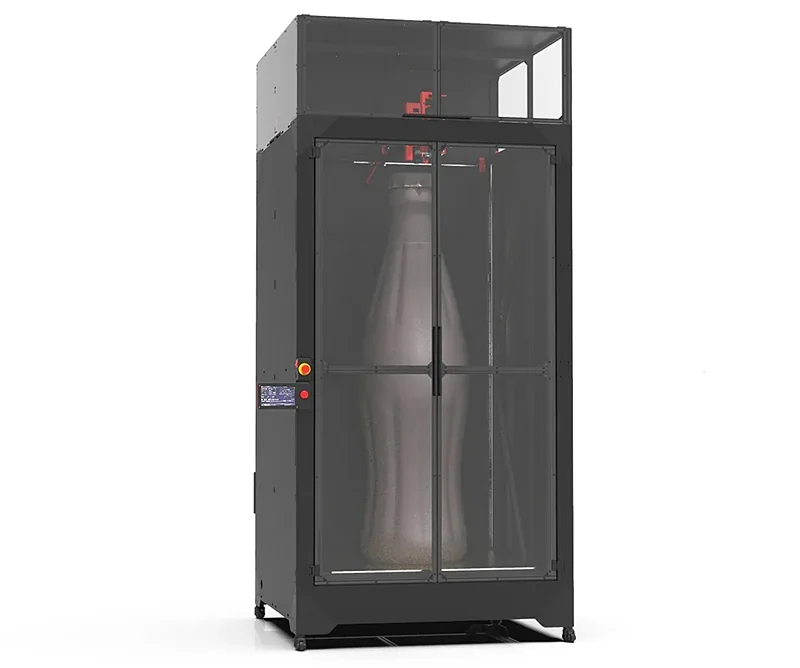 |
| Soluble filament – 500g | Soluble filament for printing supports/intricate designs; dissolves using water + soluble solution (solution purchased separately); 500g. | $112.00 | 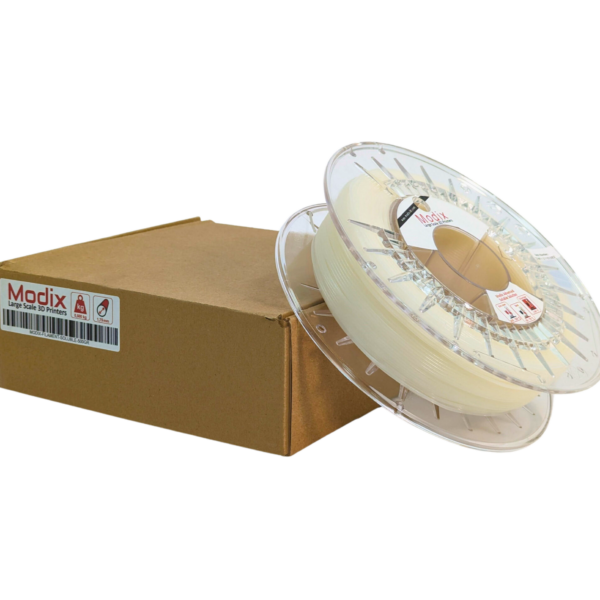 |
What maintenance does the Modix Everest require?
The Modix Everest requires 15+ scheduled maintenance tasks to maintain motion stability, accurate 2-meter calibration, and reliable extrusion.
Daily maintenance
- Clean the PEI-coated print surface with 99% isopropyl alcohol to remove grease and residues, ensuring proper first-layer adhesion across the 970 x 1,030 mm bed area.
- Visually inspect the Griffin Ultra hotend and nozzle for filament buildup; remove debris with a brass wire brush to prevent extrusion blockages during high-flow printing.
- Verify operation of the clog detector sensor by testing filament feed detection, ensuring uninterrupted printing during extended multi-day prints.
Weekly maintenance
- Inspect and adjust Gates Corporation GT2 belt tension on X and Y axes using the tensioning mechanisms to maintain precise positioning accuracy within 10 microns.
- Lubricate the HIWIN MGW9H linear guide rails with light machine oil to reduce friction and wear on the motion system components.
- Check torque specifications on all 4080mm T-slot aluminum frame connections and gantry fasteners to maintain structural rigidity during 2-meter tall builds.
- Verify proper operation of pneumatic cylinder on the top cover mechanism for safe enclosure access.
Monthly maintenance
- Execute Duet3D automated calibration routines (bed tilt correction, bed leveling, gantry alignment, Z-offset calibration) to maintain flatness within specification across the large build platform.
- Inspect Bondtech drive gears in the Griffin Ultra extruder system; clean accumulated filament dust and apply recommended lubrication to maintain consistent feed rates above 500 grams per hour.
- Confirm all NEMA-23 stepper motors remain securely mounted with proper torque specifications and show no vibration-induced loosening.
- Test filament runout sensor functionality and clog detection system accuracy across all operational scenarios.
Quarterly maintenance
- Inspect four Z-axis ball screws (12mm diameter, 4mm pitch) for wear patterns and lubricate lead screw threads to maintain 0.5-micron Z positioning accuracy.
- Verify AC bed heater operation and PID controller temperature accuracy within ±1°C across dual heating zones on the large aluminum bed plate.
- Check electrical connections on Duet3D controller and Duex5 expansion board, ensuring secure terminations on all stepper motor drivers.
Semi-annual maintenance
- Replace worn HIWIN linear guide carriages showing excessive play or increased resistance during motion.
- Inspect X and Y axis drive components for gear tooth wear, replacing any parts showing damage or excessive backlash.
- Verify enclosure door seal integrity and hinge operation, replacing elastic seals if showing compression set or damage.
The Everest’s 2-meter height requires frequent automated calibration and motion checks to maintain consistent print quality over long runs.
What support and warranty come with the Modix Everest?
The Modix Everest includes 12 months of warranty covering all non-consumable parts, excluding items like PEI sheets and nozzles. Modix offers lifetime technical support for Everest owners, available via email Sunday–Thursday, 09:00–18:00 GMT+2, with video sessions on request. Buyers gain access to a customer portal with interactive 3D manuals, print profiles, firmware, and essential technical documentation.
Full warranty terms: https://www.modix3d.com/terms
| Service Package | Description | Price (USD) |
|---|---|---|
| 3-Hour Call with Modix 3D Technicians | Remote optimization support for design, slicing settings, and material selection; includes 3 hours of video calls with Modix technicians. | 500 |
| 1-Year Warranty Extension | Extends Modix manufacturer warranty by 12 months beyond the standard warranty period. | 1500 |
| 2-Year Warranty Extension | Extends Modix manufacturer warranty by 24 months beyond the standard warranty period. | 3000 |
| Assembly Services by Top3DShop (Off-Site) | Off-site assembly of the Modix kit per official manual + calibration (bed compensation ≤2 mm corner-to-corner), IDEX XY calibration (if applicable), test prints (cube/mesh), photo/weekly progress reporting, and delivery of assembled unit (per agreement terms). | 23,300 |
| Assembly Services by Top3DShop (On-Site) | On-site assembly and commissioning at customer facility; includes the same assembly/calibration/test-print scope plus on-site handover/training and verification as described in the agreement. | 28,300 |
How much does the Modix Everest cost?
The Modix Everest is a premium large-format 3D printer priced at $30,240.00, offering a 970 x 1,030 x 2,000 mm build volume for printing objects up to 2 meters tall. It features the high-throughput Griffin Ultra print head (>500 g/h), a Duet3D Wi-Fi controller with Duex5, 100-point auto bed leveling, and a reinforced 4080 mm aluminum frame.