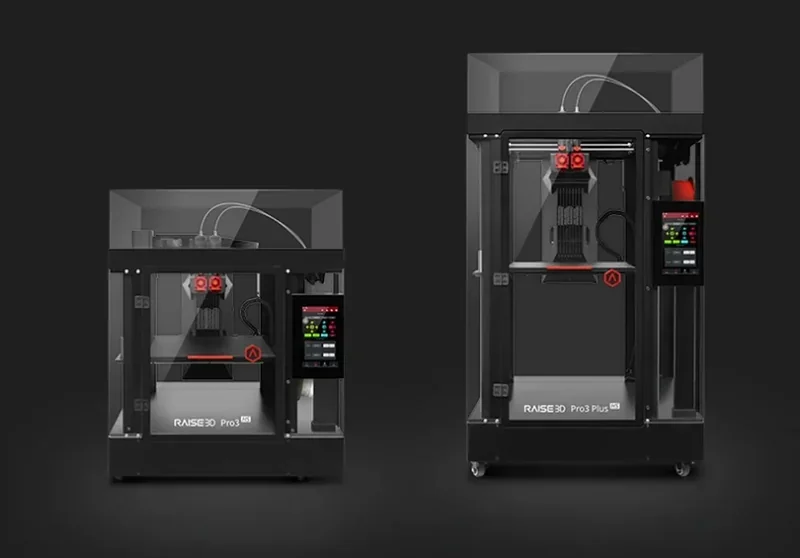
Raise3D Pro3 HS 3D Printer: High-Speed Printing with Hyper Core Technology



- Print speeds up to 300 mm/s
- 300×300×605 mm build volume capacity
- Dual extrusion with electronic lifting
- Enclosed chamber with HEPA filtration
- Flexible Payment Terms
- 1 Year Warranty
- Local Technical Support
- Free Online Training
- Power Cable
- USB Storage
- Hyper Speed Filament
- Carbon Fiber Filament
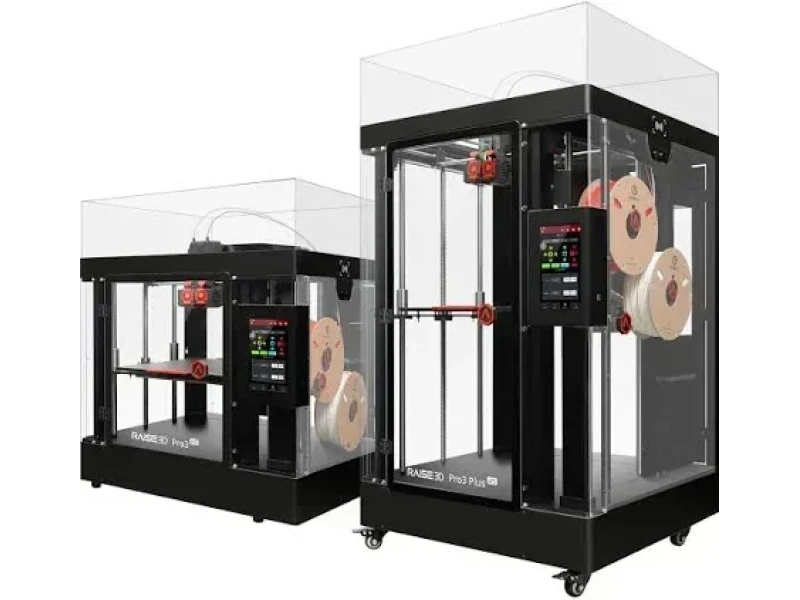
The Raise3D Pro3 Plus HS is a high-speed, large-format 3D printer designed for professional use, offering up to 300 mm/s print speeds with Hyper FFF® Technology and a 300×300×605 mm build volume (255×300×605 mm with dual extrusion). It features a dual-head system with electronic lifting for multi-material printing, quick-release hot ends (0.2–1.0 mm), and supports up to 320°C for advanced materials. With automatic bed leveling, filament sensors, an enclosed chamber with HEPA and charcoal filters, and support for Hyper Core and industrial filaments, it’s ideal for manufacturing, prototyping, and end-use parts. Connectivity options include Wi-Fi, LAN, USB, and HD camera monitoring, enhanced by the EVE Smart Assistant for a streamlined, reliable print experience.
- What is the print quality and performance of the Raise3D Pro3 HS 3D Printer?
- Which thermoplastic filaments can you use with the Raise3D Pro3 HS?
- What is the build volume of the Raise3D Pro3 HS?
- What is the difference between the Raise3D Pro3 HS, Raise3D Pro3 Plus HS, Bambu Lab H2D, Ultimaker S8, Flashforge Guider 3 Ultra, Fusion3 Edge, Prusa XL?
- What printer controls are available on the Raise3D Pro3 HS?
- What connectivity options are available on the Raise3D Pro3 HS?
- What software is offered with the Raise3D Pro3 HS?
- What is the design and build quality of the Raise3D Pro3 HS?
- What comes included in the box with Raise3D Pro3 HS?
- What upgrades and accessories are available for the Raise3D Pro3 HS?
- What maintenance does the Raise3D Pro3 Series require?
- What support and warranty come with the Raise3D Pro3 HS Series Printers?
- How much does the Raise3D Pro3 HS cost?
What is the print quality and performance of the Raise3D Pro3 HS 3D Printer?
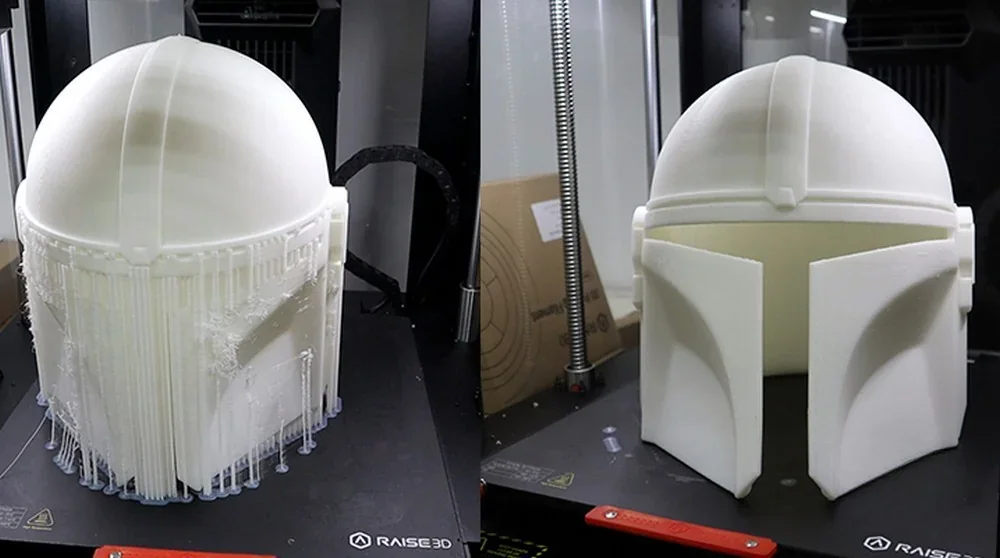
The Raise3D Pro3 HS delivers high-quality prints with fine step resolutions (0.78125 μm X/Y, 0.078125 μm Z) and speeds up to 300 mm/s, reducing print times by up to 70%. Tests showed a calibration cube completed in 17 minutes (vs. 28–38) and a 30 cm Mandalorian helmet printed 65% faster in 48 hours, maintaining smooth, warp-free surfaces and sharp detail.
Stable extrusion ensures dimensional accuracy and repeatable results for technical applications.
The system reliably prints complex interlocking geometries and internal cavities with tight tolerances, ensuring accurate fits and smooth assembly.
The Pro3 HS supports layer heights from 0.05–0.6 mm. Using a 0.4 mm nozzle, 0.1–0.3 mm settings deliver stable performance and fine detail. Within these ranges, it maintains dimensional accuracy, smooth surfaces, and reliability for complex geometries.
The Pro3 HS uses optimized cooling airflow to stabilize extrusion temperatures, ensuring consistent overhang performance — even with PC at 0.2 mm layers. Controlled cooling and steady flow maintain dimensional accuracy for complex production geometries.
The Raise3D Pro3 HS delivers high performance with speeds up to 300 mm/s. Its Hyper FFF® Technology sustains these speeds with Hyper Core materials, cutting print time by up to 70% without sacrificing quality.
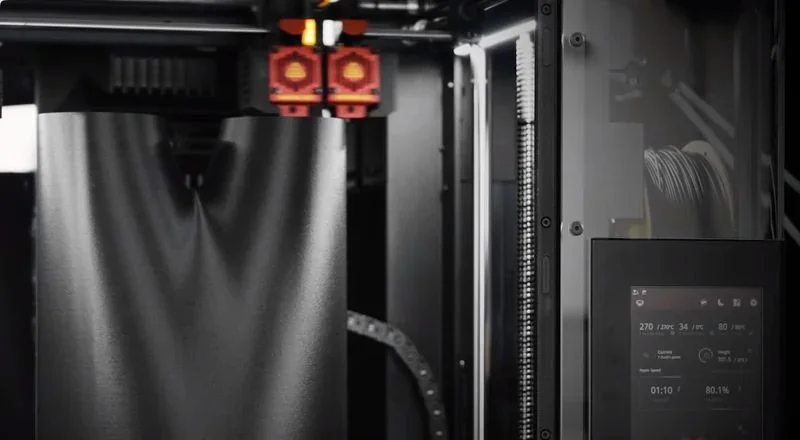
The Pro3 HS maintains quality at high speeds through a robust design and the upgraded motion control system. Double-diaphragm couplings and closed-loop stepper motors with real-time feedback ensure precise, stable motion and reduce backlash. Dual hotends and a magnetized build plate support consistent batch production and minimize warping.
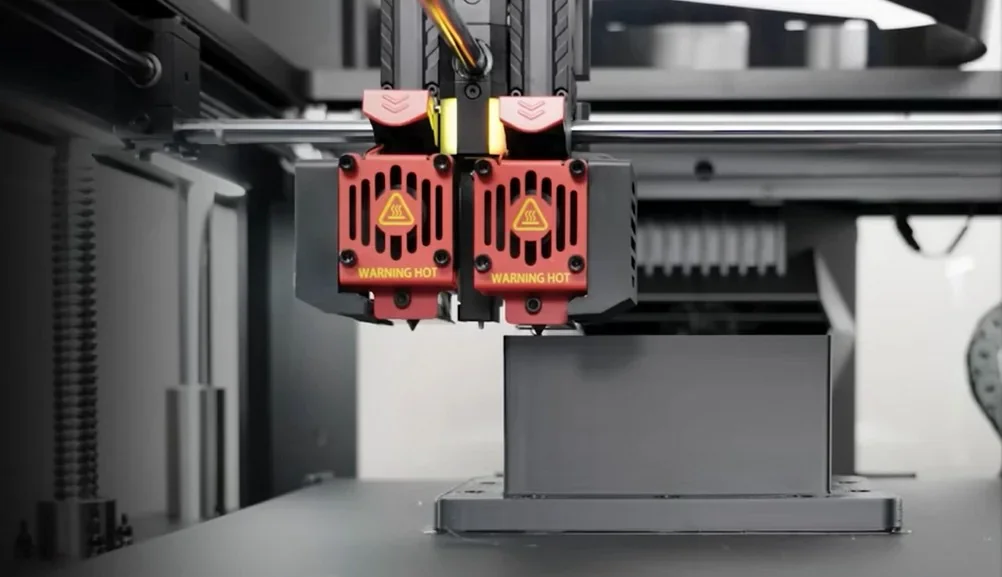
The Pro3 HS enhances print reliability through a mesh-leveling system with flatness detection for consistent first-layer adhesion. Its dual-head IDEX system with electronic lifting prevents inactive nozzles from touching prints, ensuring smooth single-extruder operation.
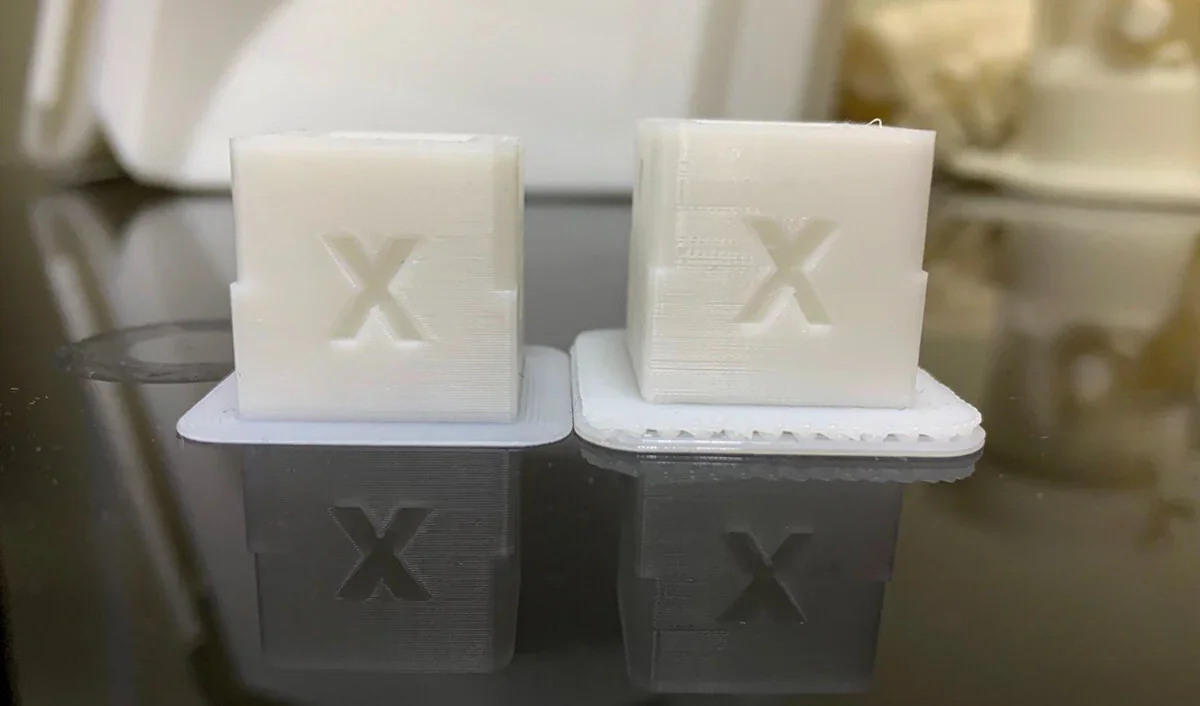
A calibration cube was printed to test print speed and stability. Its rapid direction changes make it ideal for assessing precision. Using 0.2 mm layers and default speeds, two cubes were printed — one with Hyper Speed (HS) and one without. The HS cube finished in 17 minutes versus 28–38 minutes normally. Both had high-quality surfaces, though the HS cube was smoother with slight echoing on the letters, thanks to the active vibration reduction algorithm.
The Raise3D Pro3 HS demonstrates reliable high-speed printing. In one run, it printed eight 354.4 g red contact brackets in 19 hours and eight 93.9 g white jigs in 5 hours 20 minutes at 0.2 mm layers. With Hyper Speed technology, it achieved smooth surfaces, precise geometry, and strong bonding at up to 300 mm/s, proving its capability for consistent small-batch production.
The Raise3D Pro3 HS reliably prints industrial-grade parts with complex geometries and tight tolerances. At a 0.2 mm layer height, each piece shows precise layer alignment, sharp outlines, and minimal surface flaws, making outputs suitable for technical integration and precision fit testing in engineering workflows.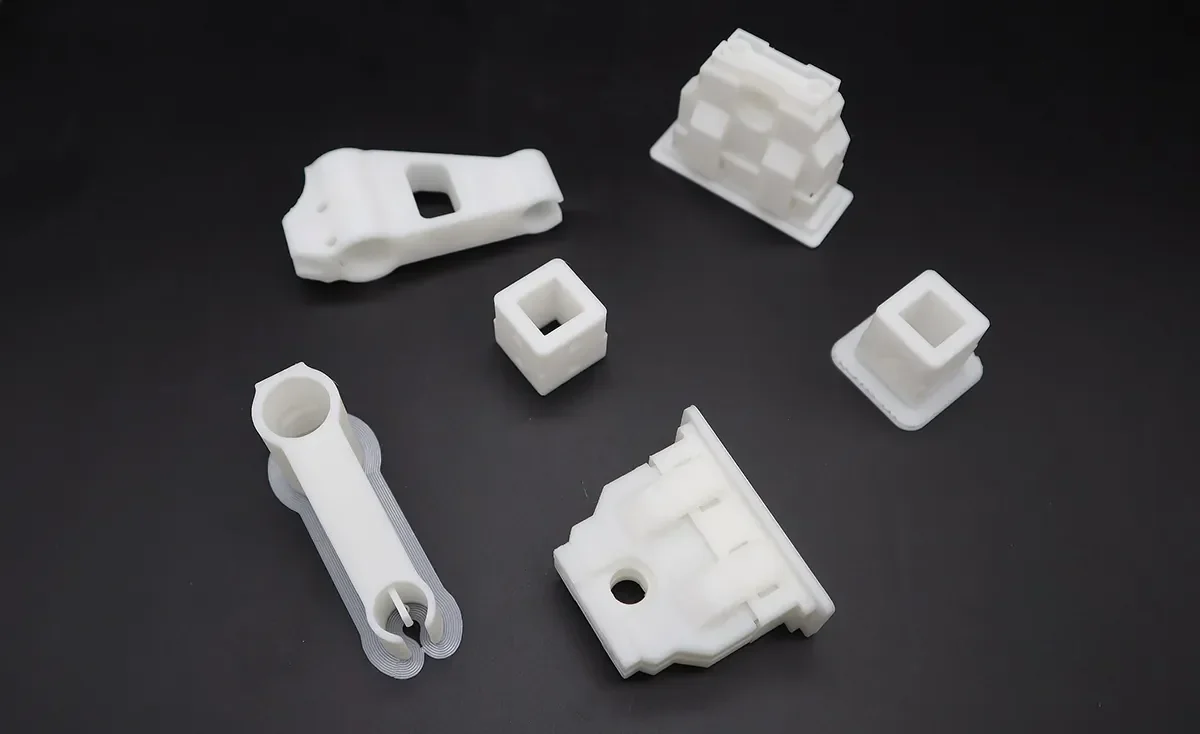
A 30 cm Mandalorian helmet showcases the Raise3D Pro3 HS’s strength in large, complex builds. Using Hyper Speed mode, it printed in 48 hours — about 65% faster than standard extrusion. Supports detached cleanly, revealing a smooth, warp-free shell with sharp edges. The result demonstrates consistent accuracy and a professional finish, confirming the printer’s reliability for rapid prototyping and full-scale production.
Two case studies demonstrate the Raise3D Pro3 HS’s performance in industrial and scientific applications. Its high-speed extrusion, closed-loop motor control, and precise mechanics enable accurate, repeatable production of complex composite and bioengineered parts.
Case Study: The Raise3D Pro3 HS speeds up custom motorcycle part production using carbon fiber ABS at up to 300 mm/s. It delivers strong, smooth parts with precise magnetic insert placement. Prototyping times as short as one hour shorten development cycles, supporting faster launches and competitive advantage.
Case Study: In biomedical research, the Raise3D Pro3 HS enables fabrication of complex bioprinters and hydrogel structures. Precise fit and detail alignment ensure reliable assembly for live tissue printing, while fast prototyping boosts experimental efficiency and research quality in cellular engineering and organ modeling.
Which thermoplastic filaments can you use with the Raise3D Pro3 HS?
The Raise3D Pro3 HS supports over 10 filament types, from standard materials like PLA, ABS, and PETG to advanced Hyper Core (PPA CF25, PPA GF, ABS CF15) and industrial-grade options (PET CF, PET GF, PETG ESD). Its Hyper Speed variants print up to 300 mm/s, and the Open Filament Program ensures compatibility with third-party materials.
The Hyper Core filament line prints up to four times faster with 20% stronger interlayer adhesion and Z-strength, maintaining surface quality through optimized molecular weight and rapid cooling.
Hyper Core PPA CF25 Print Sample: A 145×140×55 mm rim mounting fixture (233.3 g) printed at 0.2 mm layer height in 8 hours 44 minutes. Designed for automotive jigs and fixtures, it offers high strength, precision, durability, light weight, and customization.
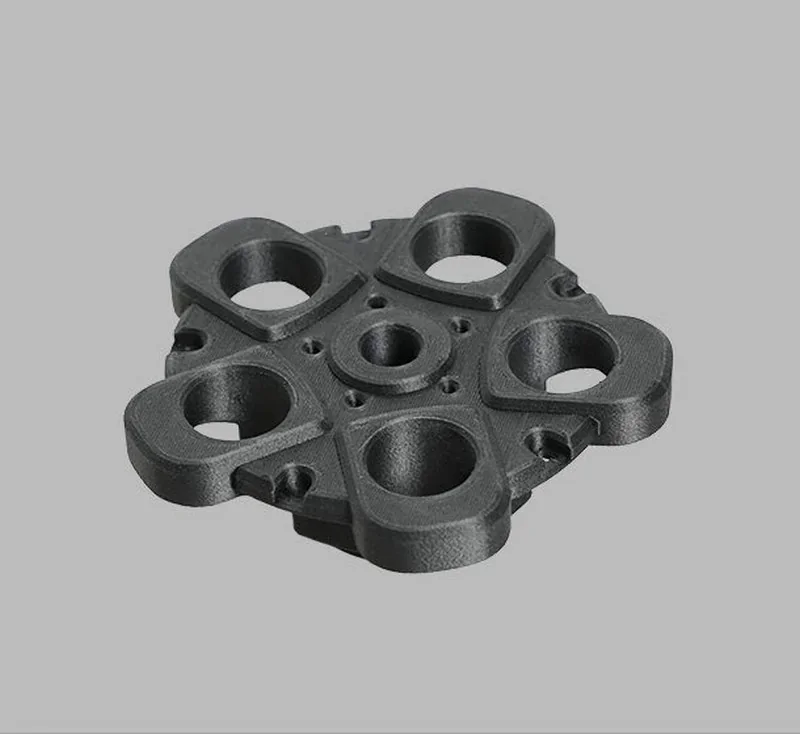
Hyper Core ABS CF15 Print Sample: A 160×160×24 mm cooling fan (77.2 g) printed at 0.2 mm layer height in 6 hours 9 minutes. Designed for industrial equipment, it delivers high strength, precision, durability, light weight, and customization for end-use parts.
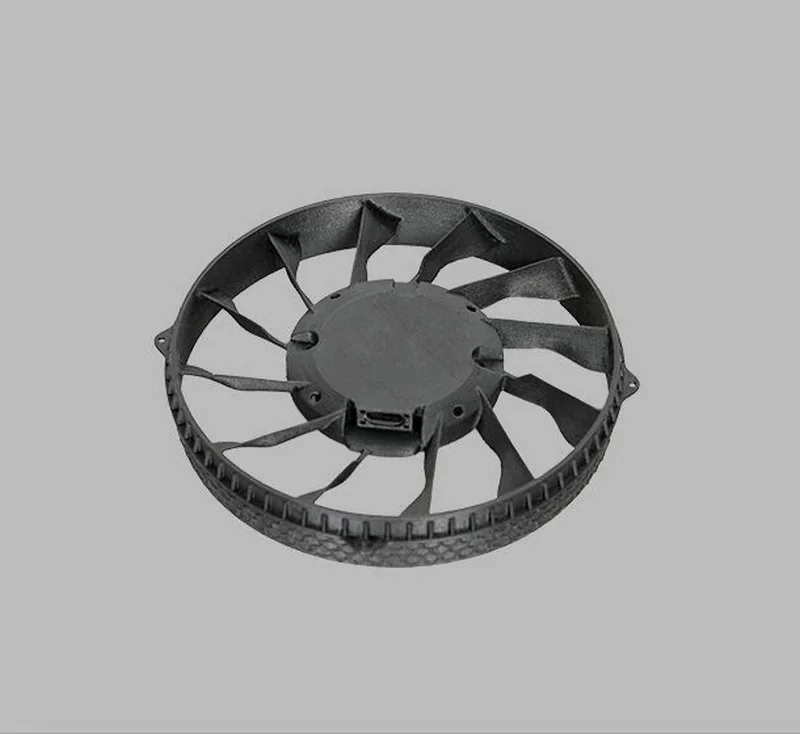
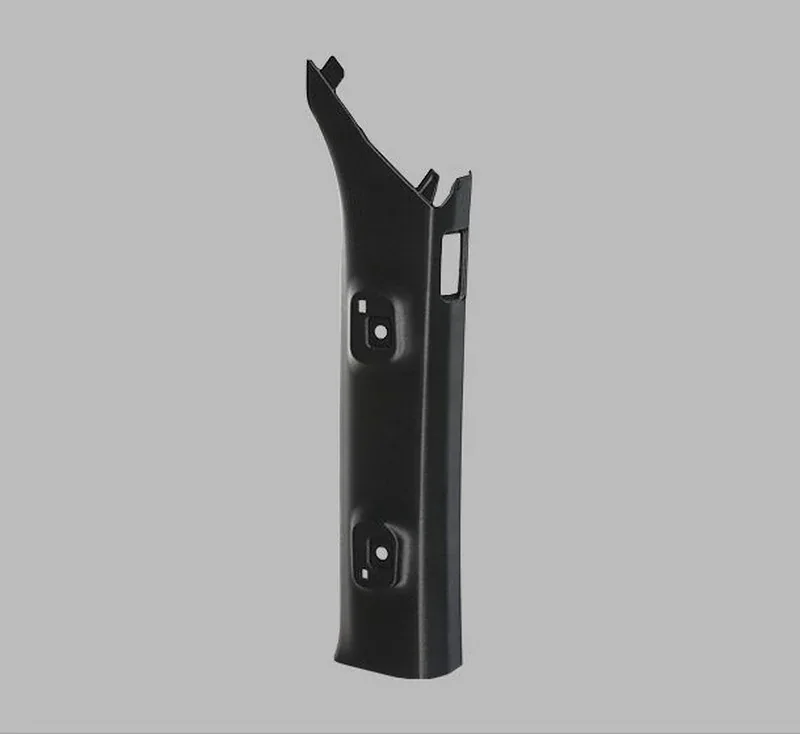
Hyper Core ABS CF15 3D Print Sample: A-pillar cover, 131×96×487 mm, 314 g, printed at 0.2 mm layer height in 17 h 39 m. Designed for automotive interior prototypes needing high strength, precision, durability, and low weight.
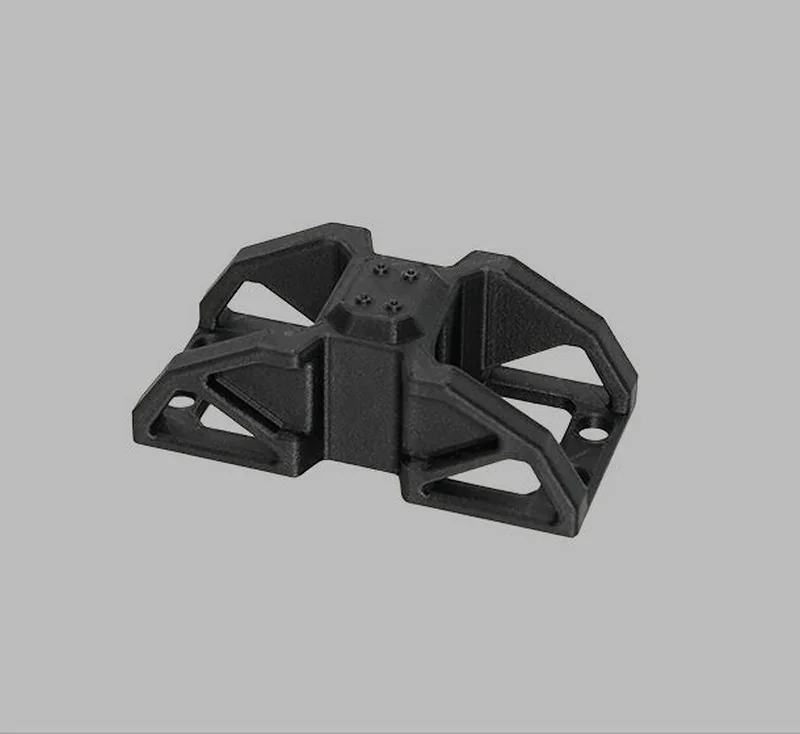
Hyper Core PPA CF25 3D Print Sample: Contact bracket, 120×60×45 mm, 68.7 g, printed at 0.2 mm layer height in 3 h 43 m. Built for jigs and fixtures needing strength, precision, durability, light weight, and customization.
The Pro3 HS is optimized for Hyper Speed PLA and ABS to utilize its 300 mm/s printing speed. Non-Hyper Speed materials like PETG perform better at lower speeds.
Impact Strength Testing Results: Tests show PLA (14 strikes) and ABS (30) offer basic durability, while PET GF (97) and carbon fiber composites (100+) deliver superior resistance, proving the Pro3’s capability with advanced materials.
PLA and PVA 3D Print Sample: Water-soluble PVA supports dissolve completely.
TPU 3D Print Sample: Soft, rubber-like bellows connector prototype.
PETG 3D Print Sample: Medium-strength material between PLA and ABS, offering strong layer adhesion, chemical resistance, and durability for heavy post-processing.
Nylon 3D Print Sample: Strong, flexible, and impact-resistant, ideal for industrial prototypes and durable final parts.
ABS and PC 3D Printed Parts: Fire-retardant ABS and PC self-extinguish under UL94 standards, ideal for electrical housings and safety-critical applications.
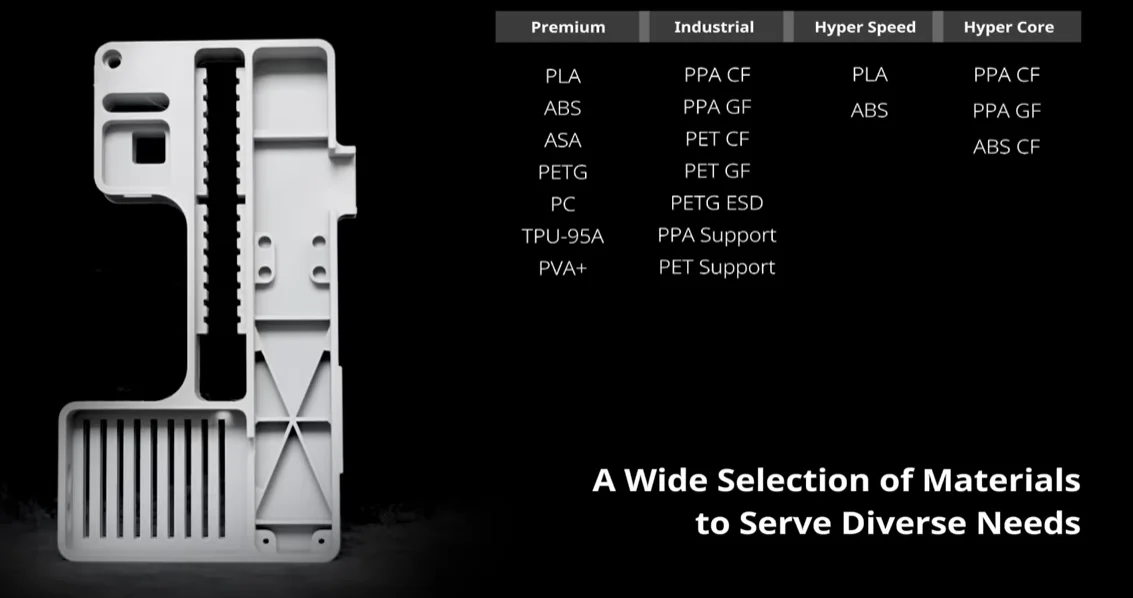
The Pro3 HS supports industrial materials like PPA CF, PPA GF, PET CF, PET GF, PETG ESD, and specialized PET and PPA supports for complex parts. It also prints Premium materials such as PLA, ABS, ASA, PETG, PC, TPU-95A, and PVA+. This versatility enables production of prototypes and functional end-use parts with tailored performance.
The Raise3D Pro3 HS uses the Open Filament Program (OFP), supporting third-party materials. However, Raise3D recommends its official filaments and default settings for best results. The ideaMaker software links to the cloud, providing material profiles to simplify printing.
What is the build volume of the Raise3D Pro3 HS?
The Raise3D Pro3 HS offers a 300×300×300 mm build volume with a single extruder, ideal for mid-sized parts. In dual-extruder mode, the X-axis reduces to 255 mm, giving a 255×300×300 mm volume while maintaining ample printing capacity.
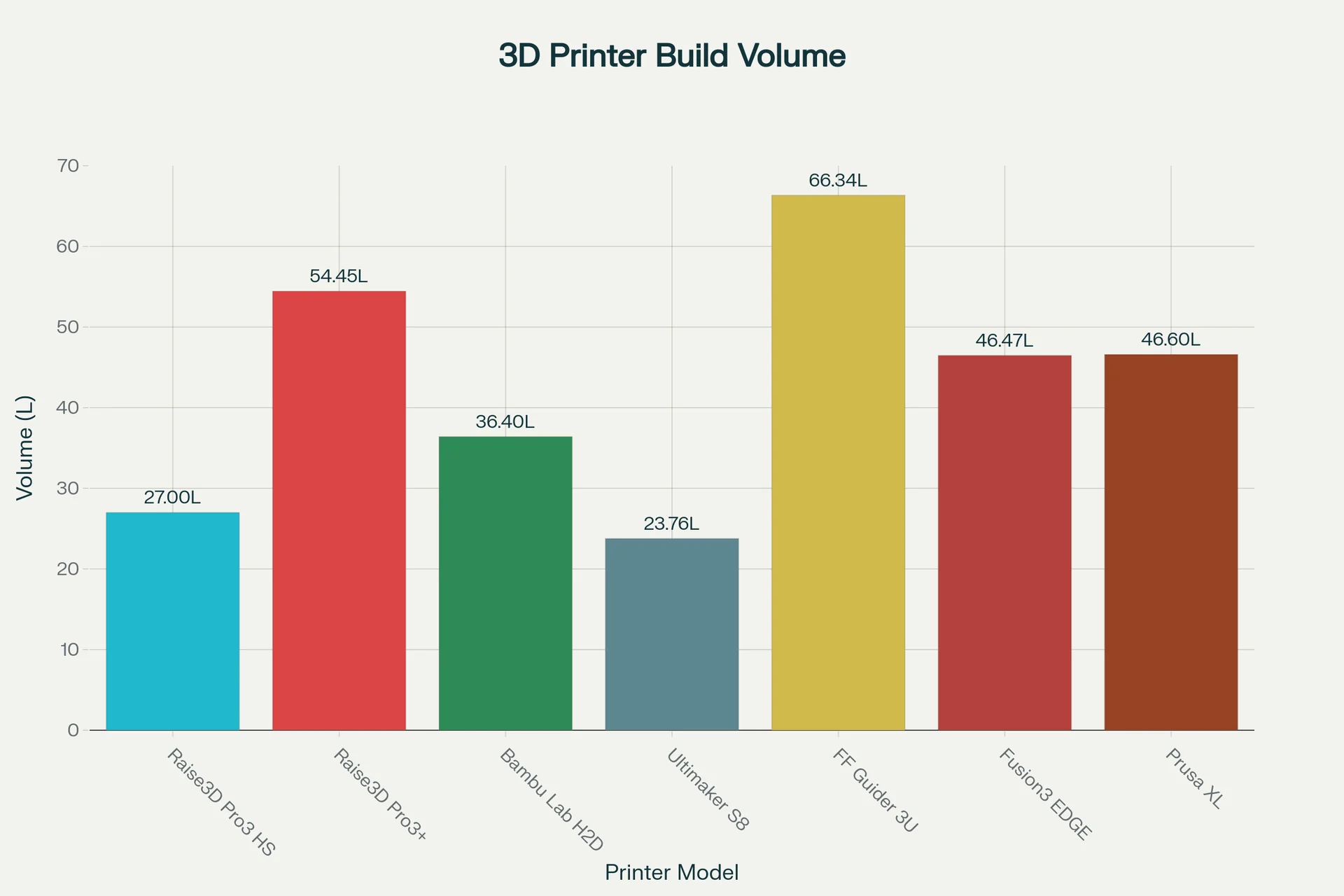
What is the difference between the Raise3D Pro3 HS, Raise3D Pro3 Plus HS, Bambu Lab H2D, Ultimaker S8, Flashforge Guider 3 Ultra, Fusion3 Edge, Prusa XL?
Raise3D Pro3 HS — enclosed, dual-material workhorse with electronically lifting nozzles, HEPA+carbon filtration, 320 °C nozzle / 120 °C bed, up to 500 mm/s, and 300×300×300 mm (single) or 255×300×300 mm (dual) build—optimized for clean, reliable two-material production and fleet use (EVE assistant, RaiseCloud + ideaMaker).
In contrast:
- Raise3D Pro3 Plus HS — wins on tall parts with a 605 mm Z-axis; loses to Pro3 HS on price efficiency (same temps/speed/features otherwise).
- Bambu Lab H2D — wins on raw speed (up to 1000 mm/s), active chamber heat (~65 °C), hotter nozzle (350 °C) and slightly larger build; loses to Pro3 HS on enterprise-level workflows and serviceability focus (Pro3 HS’s dual-lift architecture + EVE maintenance guidance).
- UltiMaker S8 — offers similar print speed; loses to Pro3 HS on Y-axis volume (240 mm vs 300 mm) and price ($8,999 vs $5,599).
- Flashforge Guider 3 Ultra — wins on budget tall-Z (600 mm) with 350 °C nozzle and 500 mm/s claims; loses to Pro3 HS on filtration/management depth and dual-extrusion refinement for production use.
- Fusion3 Edge — wins on hot enclosure (to ~70 °C) and 140 °C bed with large XY; loses to Pro3 HS on maximum print-speed (250 mm/s vs up to 500 mm/s) and direct-drive dual-material control.
- Prusa XL — wins on build area (360 mm³) and multi-tool options at a lower entry price; loses to Pro3 HS on temperature headroom (290 °C nozzle) and no built-in enclosure for engineering polymers.
| Specification | Raise3D Pro3 HS | Raise3D Pro3 Plus HS | Bambu Lab H2D | UltiMaker S8 | Flashforge Guider 3 Ultra | Fusion3 Edge | Prusa XL |
|---|---|---|---|---|---|---|---|
| Build volume (mm) | Single: 300×300×300; Dual: 255×300×300 | Single: 300×300×605; Dual: 255×300×605 | Single: 325×320×325; Dual: 300×320×325 | 330×240×300 | Single: 330×330×600; Dual: 300×330×600 | 368×368×343 | 360×360×360 |
| Extruders / heads | Dual with electronic lifting | Dual with electronic lifting | Dual | Dual with auto nozzle-lift | Dual extruders | Single (Bowden, geared) | 1 / 2 / 5 toolheads |
| Max nozzle (°C) | 320 | 320 | 350 | 340 | 350 | 320 | 290 |
| Max bed (°C) | 120 | 120 | 120 | 120 | 120 | 140 | 120 |
| Chamber / enclosure | Enclosed, passive heated chamber | Enclosed, passive heated chamber | Active heat to 65 °C | Enclosed, passive heated chamber | Enclosed, passive heated chamber | Enclosed, passive heated chamber | Open frame ( optional enclosure available) |
| Max speed (mm/s) | Up to 500 | Up to 500 | Up to 1000 | Up to 500 (XY) | Up to 500 | Up to 250 (travel 500) | Up to 400 mm/s |
| Price (USD) | $5,599 | $7,599 | $1,999 | $8,999 | $2,999 | $8,849 | $2,499 (single head) / $3,049 (dual head) / $4,099 (five heads) |
Bottom-Line: Choose the Raise3D Pro3 HS when you need enterprise-level technical support, application consulting and a large build volume; buy the Raise3D Pro3 Plus HS, if you also need the extra Z-axis build volume; otherwise, the Bambu Lab H2D leads with the maximum speed/chamber heat per dollar, outcompeting the Raise3D Pro3 series. The Flashforge Guider 3 Ultra offers better price / performance ratio for tall builds, if you don't need dual extrusion; the Ultimaker S8 targets the same enterprise market as Raise3D, but offers a smaller builder volume at a much higher price, making it uncompetitive; buy the Fusion3 Edge, if you need the long X and Y axis (368×368 mm vs. 300x300 mm) packed with high temperature capabilities, and Prusa XL, if you need the long X and Y axis (360 × 360 mm vs. 300x300 mm) and multi-tool flexibility.
What printer controls are available on the Raise3D Pro3 HS?
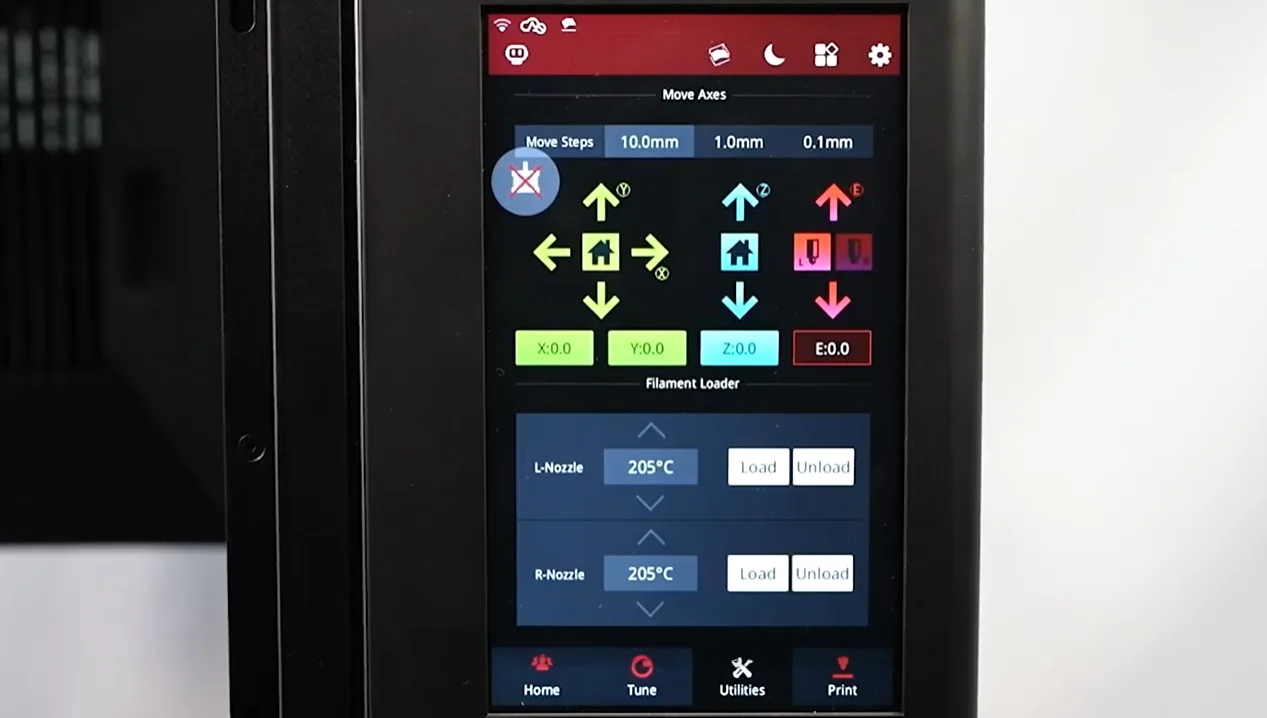
The Raise3D Pro3 HS features a 7-inch touchscreen (1024×600 resolution) with 7 printer controls:
- Home: returns axes to start positions.
- Move: adjusts axes with set step distances.
- Disable Motor: deactivates stepper motors.
- XYZ: controls individual axis movement.
- Load/Unload: manages both extruders.
- Utilities: access system functions.
- Print: starts jobs from USB or other sources.
What connectivity options are available on the Raise3D Pro3 HS?
The Raise3D Pro3 HS offers three connectivity options: dual USB 2.0 ports for direct file access, an Ethernet (RJ45) port for wired connections up to 3 meters, and built-in Wi-Fi. These enable flexible file transfer from Windows, macOS, and Linux systems using ideaMaker, removing the need for physical media in networked setups.
The Raise3D Pro3 HS supports remote operation via RaiseCloud, enabling wireless print management and monitoring from any device. Its built-in HD camera provides live video through RaiseCloud for real-time print verification without being physically at the printer.
What software is offered with the Raise3D Pro3 HS?
The Raise3D Pro3 HS includes ideaMaker, Raise3D’s slicing software for Windows, macOS, and Linux. It converts STL, OBJ, 3MF, OLTP, STEP, STP, IGES, and IGS files into GCODE. ideaMaker offers L1/L2 templates optimized for standard or high-speed printing based on velocity, acceleration, and flow rate. For the Pro3 HS, it adds threshold alerts for these parameters to ensure print quality. This 3D printing software also connects to Raise3D’s cloud to access material profiles for consistent results across filaments.
The printer connects to RaiseCloud for remote management and monitoring, and uses the EVE Smart Assistant for intelligent monitoring and automated alerts.
What is the design and build quality of the Raise3D Pro3 HS?
What is the design and form factor of the Raise3D Pro3 HS?
The Raise3D Pro3 HS retains its predecessor’s compact, closed-chamber design, measuring 620×626×760 mm (24.4×24.7×29.9 inches) and weighing 52.5 kg (123.9 lbs). It offers a 300×300×300 mm (11.8×11.8×11.8 inches) build volume with a single extruder, reduced to 255×300×300 mm (10.0×11.8×11.8 inches) when using dual extrusion. The printer maintains a fully enclosed design with a removable top cover and features a front door for easy access to the build chamber.
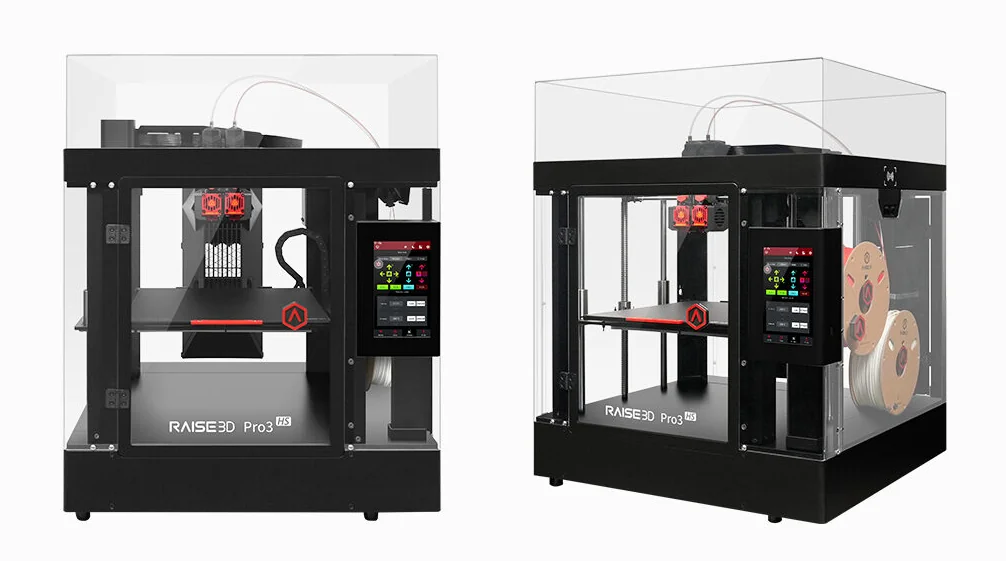
What is the motion system of the Raise3D Pro3 HS?
The Raise3D Pro3 HS uses a dual-head system with an electronic lift, enabling independent extruder operation.
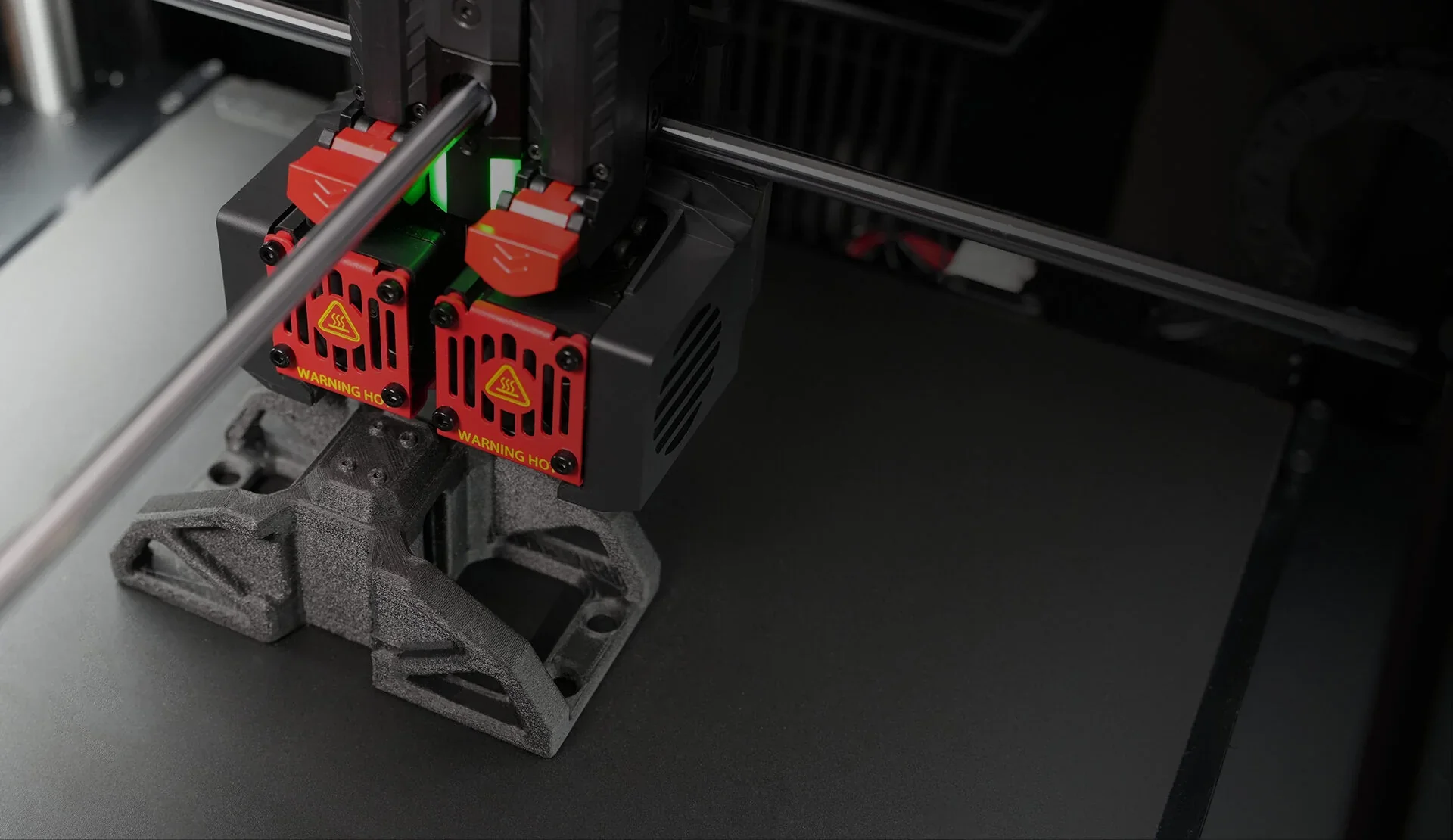
The motion system features reinforced 8 mm rods on the X and Y axes, improving on the previous generation.
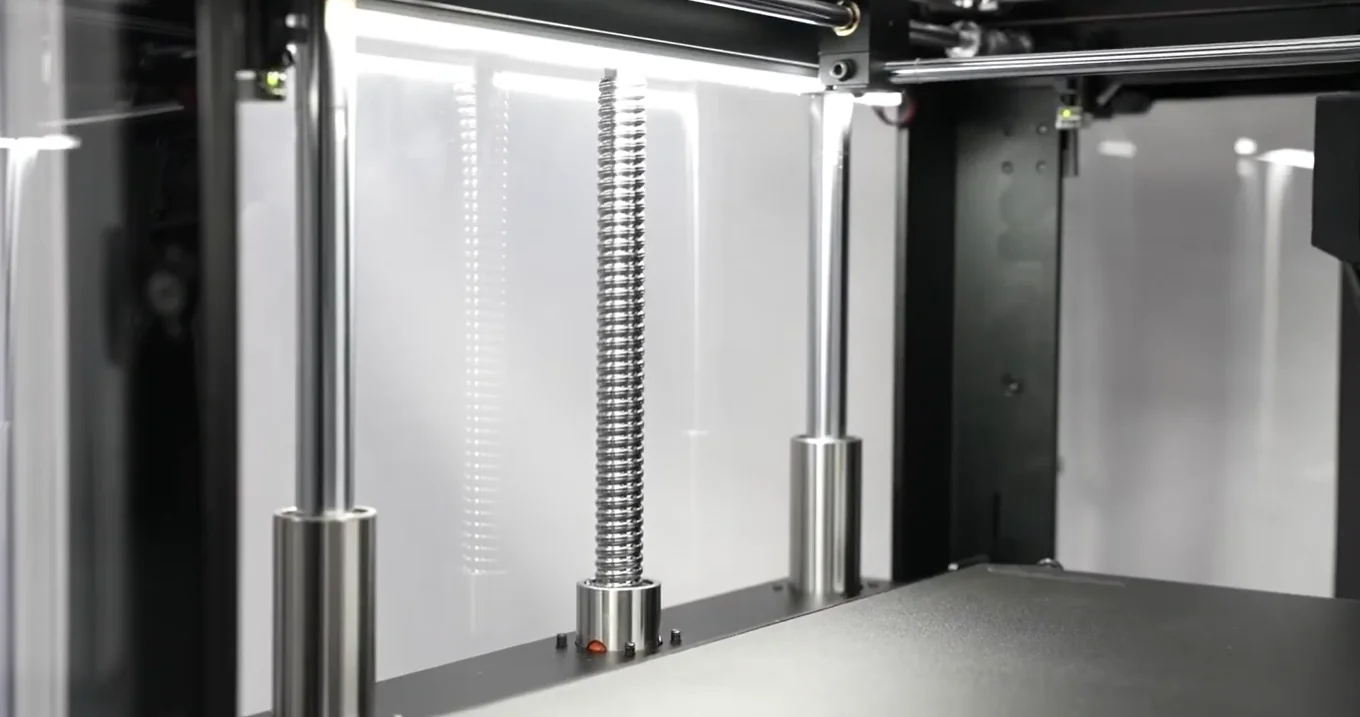
The system supports print head speeds of 30–300 mm/s with optical endstops for precise homing. A flat cable replaces the drag chain, reducing extruder weight, preventing shaft sagging, and transmitting signals from the controller.
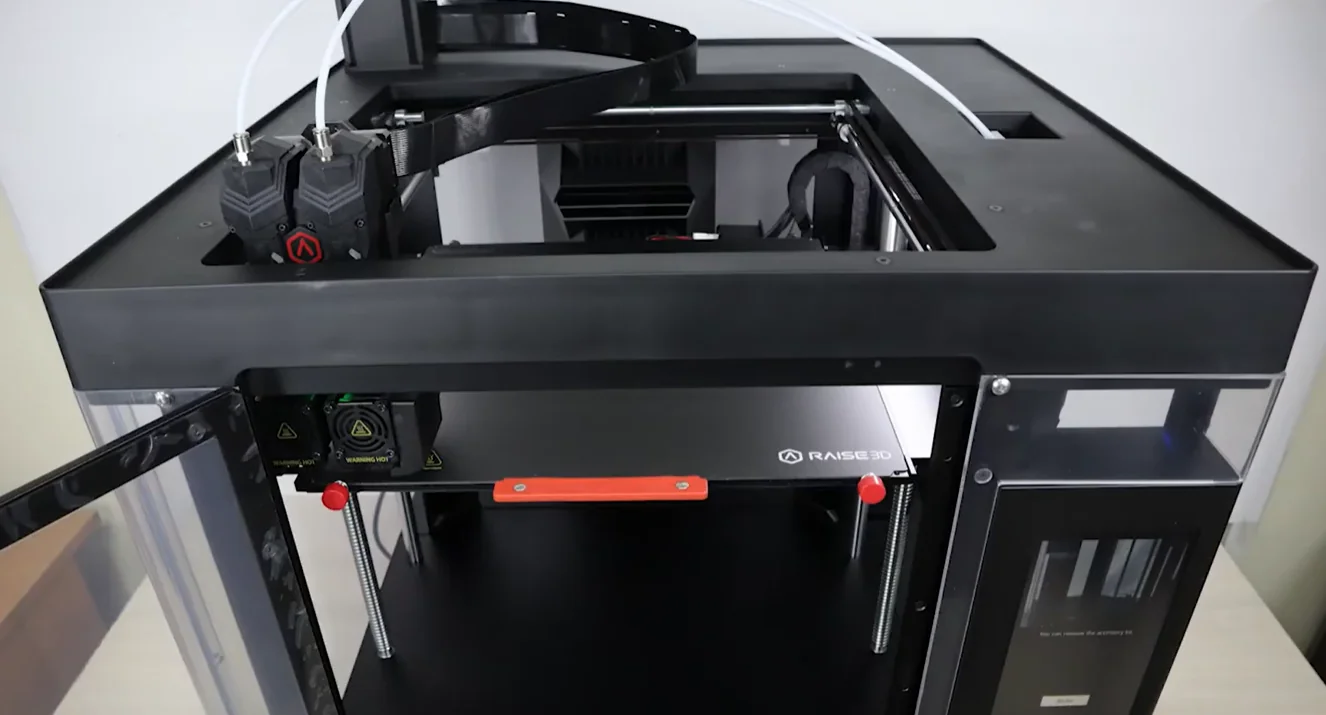
What is the noise level of the Raise3D Pro3 HS?
The Raise3D Pro3 HS prints at under 55 dB(A), making it relatively quiet for a professional 3D printer.
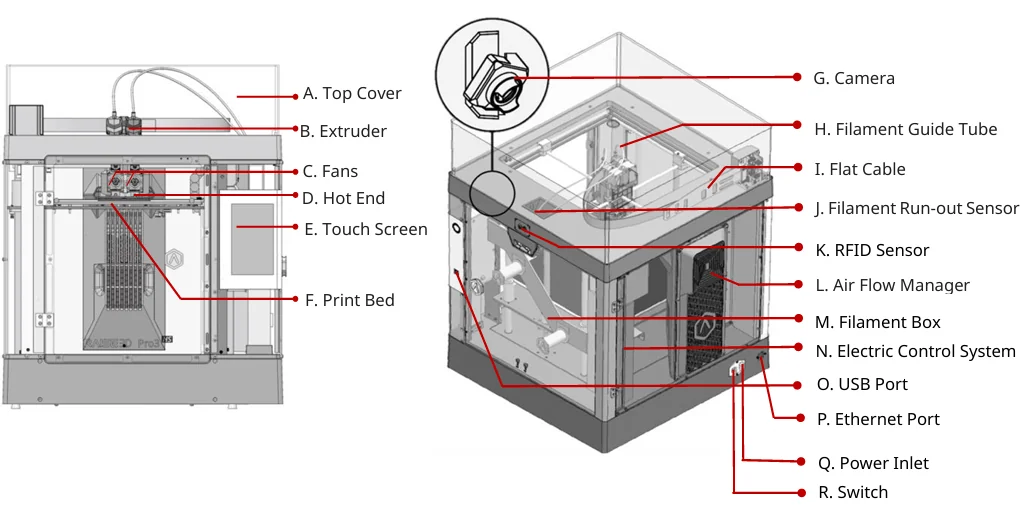
The printer’s noise mainly comes from its dual-fan Air Flow Manager on the rear panel, with a large cooling fan and a smaller filter fan. The rear cooling fan is the loudest part.
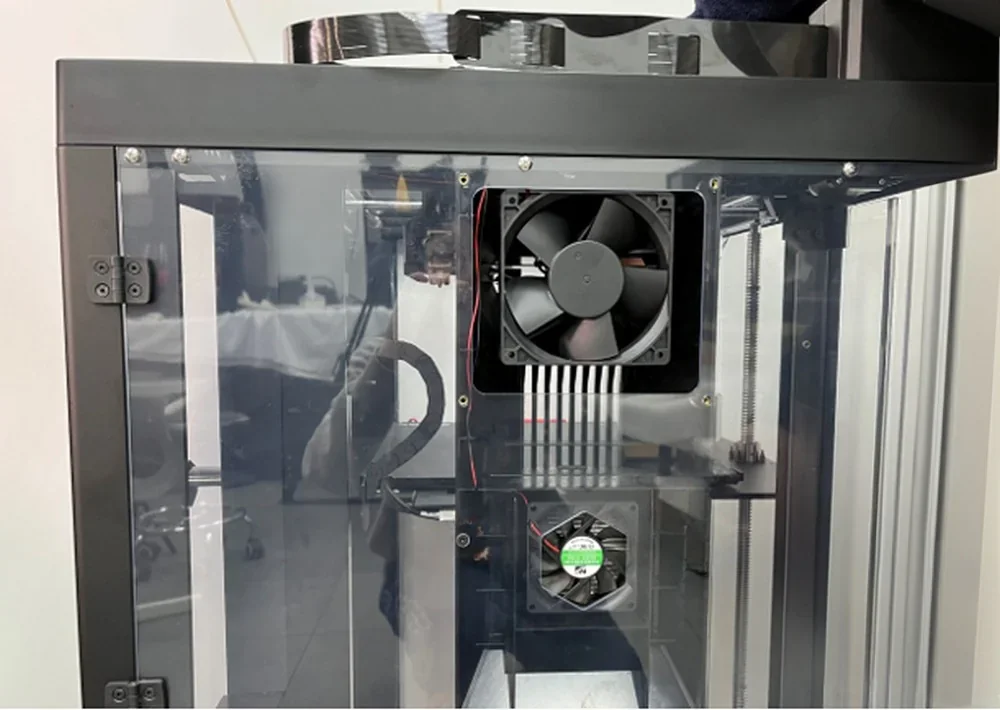
Users often report lower noise levels around 40 dB during printing. The difference from official specs likely comes from testing conditions, room acoustics, and print settings affecting perceived noise.
What are the build platform specifications of the Raise3D Pro3 HS?
The build platform uses a flexible steel plate with a BuildTak surface for strong adhesion and durability. Its heated bed reaches 120°C with silicone elements for even heat distribution.
Mesh leveling maps 64 points to correct surface irregularities. The magnetic flexible plate can be bent for easy, tool-free model removal and stays securely in place during printing.
What is the hotend and extruder system of the Raise3D Pro3 HS?
The Pro3 HS uses unitized, quick-release extruders removable in under a minute. It supports 1.75 mm filament and includes V3 brass nozzles (0.4 mm standard; 0.2–1.0 mm optional).
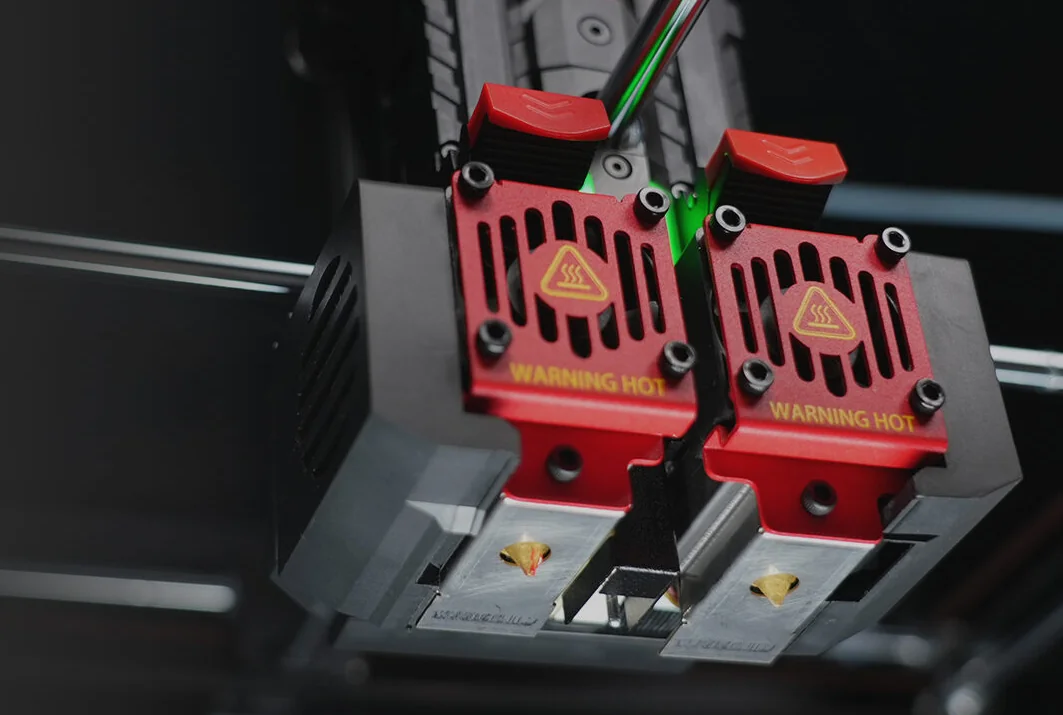
The hotend reaches 300°C for high-temperature materials and uses cooling fans with a Hyper Speed design for fast printing. RFID sensors enable automatic filament recognition and parameter loading.
How does the Raise3D Pro3 HS handle filament storage and feeding?
The Pro3 HS features an integrated filament box that holds two 1 kg spools.
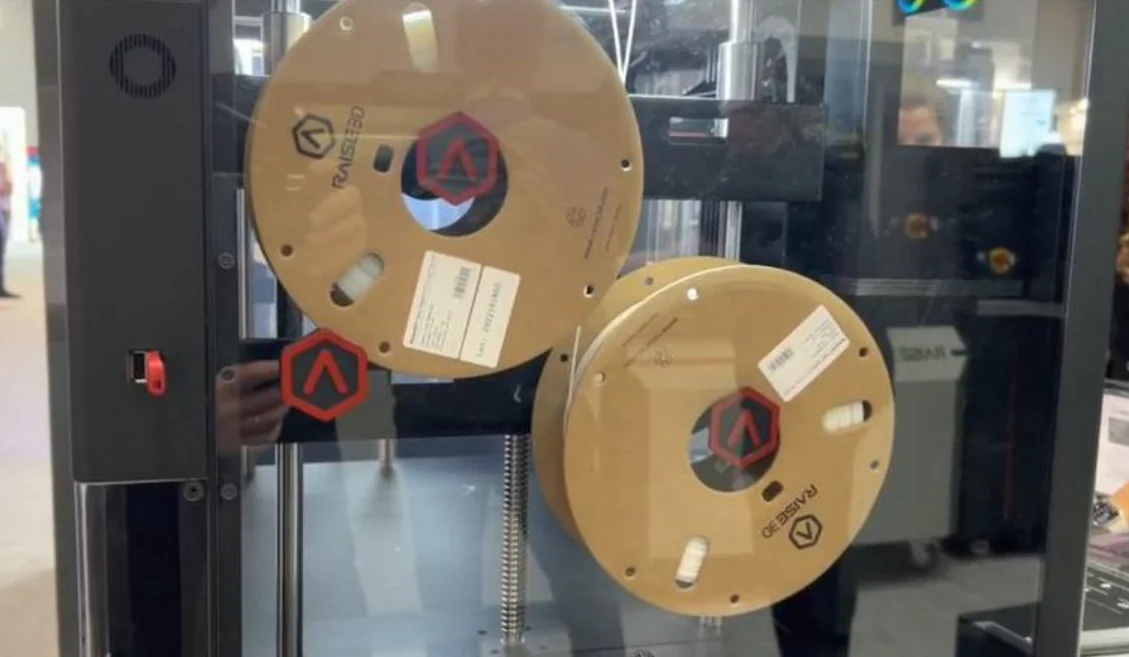
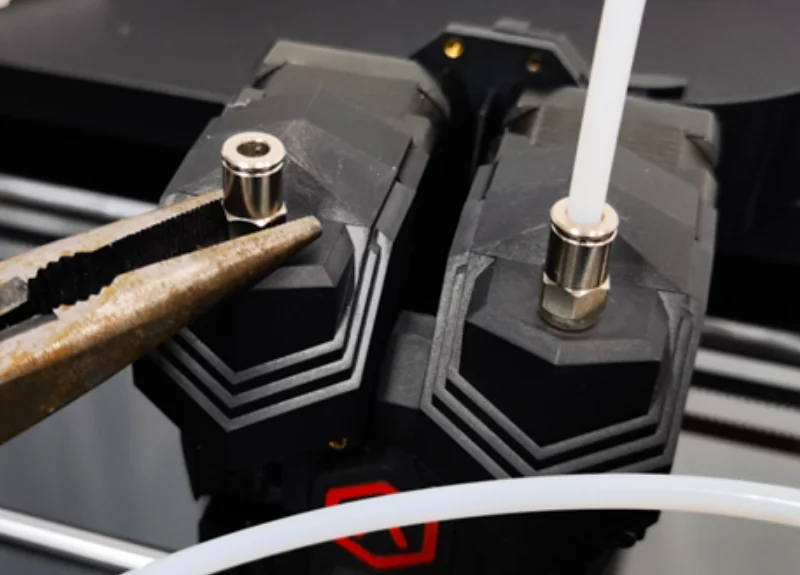
Filament guide tubes protect and direct material from storage to the extruders, while quick connectors allow easy tube disconnection for maintenance.
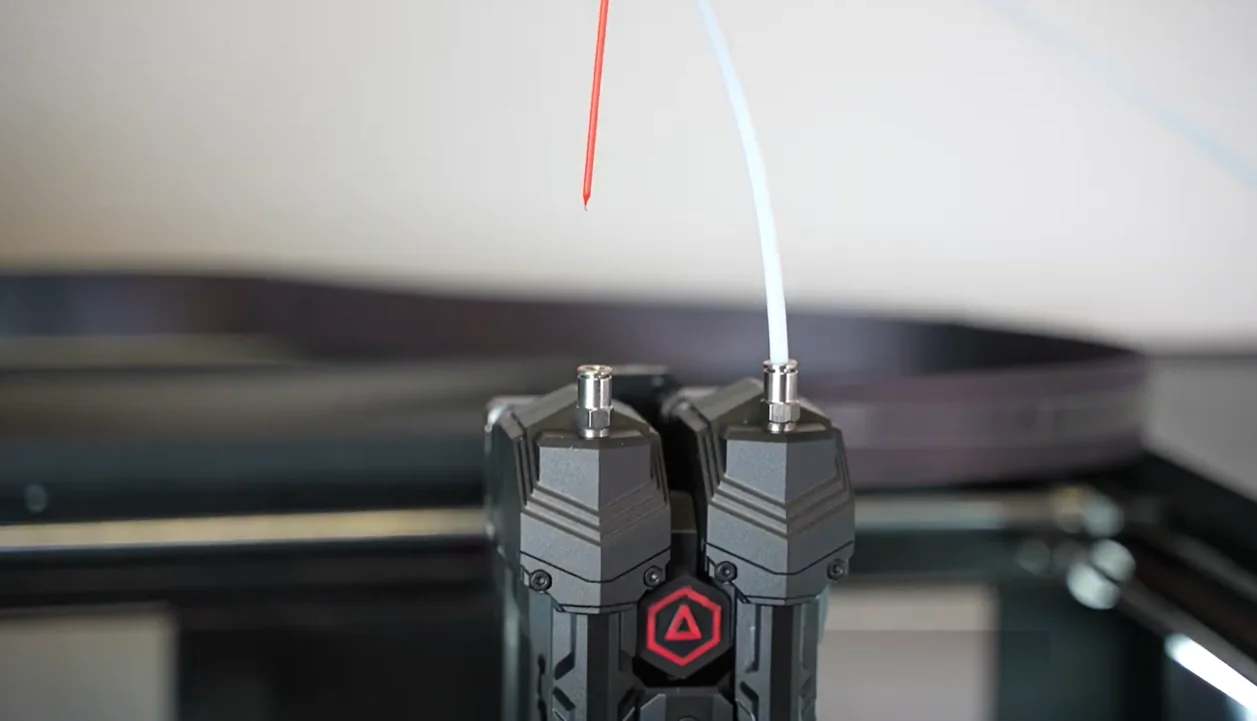
Automated optical sensors detect filament run-out and pause printing. Filament can be loaded via internal mounts — clockwise for B and D, counterclockwise for A and C — or through external inlets for larger spools.
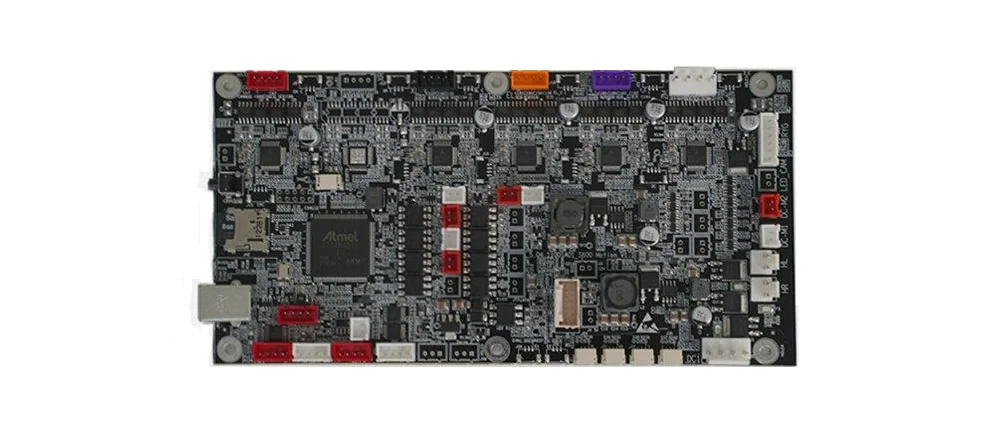
What is the mainboard of the Raise3D Pro3 HS?
The Pro3 HS features a dual-controller system: an Atmel ARM Cortex-M4 handles motion control, while an NXP ARM Cortex-A9 Quad-Core manages logic and user interface tasks.
The mainboard includes 1 GB RAM, 16 GB flash storage, and runs embedded Linux.
What are the power supply specifications of the Raise3D Pro3 HS?
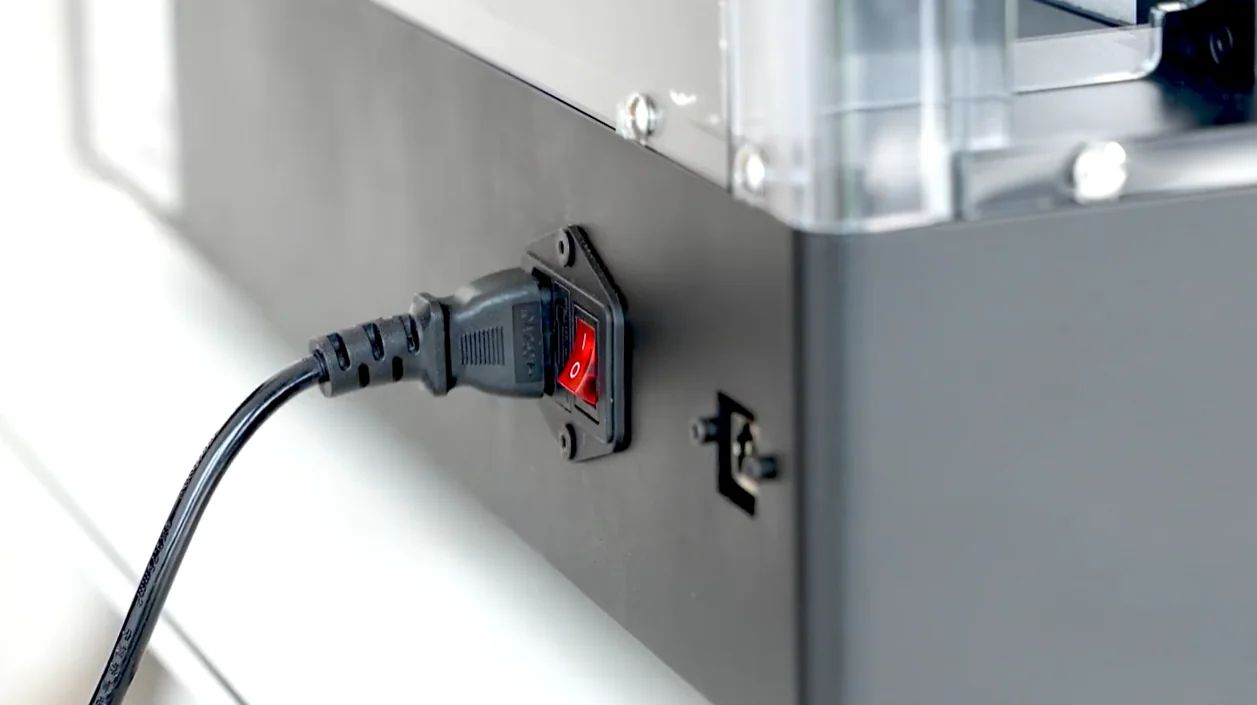
The Pro3 HS runs on 100–240 VAC, 50/60 Hz power, drawing 3.3 A at 230 V. Its internal supply provides 24 V DC at 600 W for all subsystems. The grounded power system includes residential safety features, though its EN55032 Class A certification may cause radio interference. A standard IEC inlet and main power switch ensure safe operation.
What comes included in the box with Raise3D Pro3 HS?
What's Included in the Box:
Power & Connectivity
- 1x Power Cable
- 1x USB Storage
3D Printing Materials & Feeding
- 1x Hyper Speed Filament
- 1x Carbon Fiber Filament
- 2x Filament Guide Tube
- 2x Filament Holder
Tools & Hardware
- 1x Hex Wrenches (3mm, 2.5mm, 2mm, 1.5mm)
- 1x Tweezers
- 1x Spatula
- 1x 0.3 mm Feeler Gauge
- 1x Screws & Other Accessories (Spare)
Maintenance & Safety
- 1x Nozzle Cleaning Kit
- 1x Heat Resistant Gloves
Hot End Components
- 1x New Version of Interchangeable Hot End Assembly (SiC Nozzle)
The Raise3D Pro3 HS comes fully assembled and ready for use after minimal setup. It includes essential maintenance tools and two spools of Hyper Speed PLA filament for immediate printing after calibration. A built-in Start-up Wizard guides users from unboxing to printing.
Note: Package contents may vary; confirm current items with a Top3DShop sales representative before ordering.
What upgrades and accessories are available for the Raise3D Pro3 HS?
Raise3D supplies 18 upgrades, accessories and replacement parts.
| Accessory | Function | Price (USD) | Image |
|---|---|---|---|
| Build Plates and Print Surfaces | |||
| PEI Build Plate (Pro3 HS Series and Pro3 Series Only) | Replacement PEI build plate; provides a PEI print surface for first-layer adhesion and part release. | $49.99 | 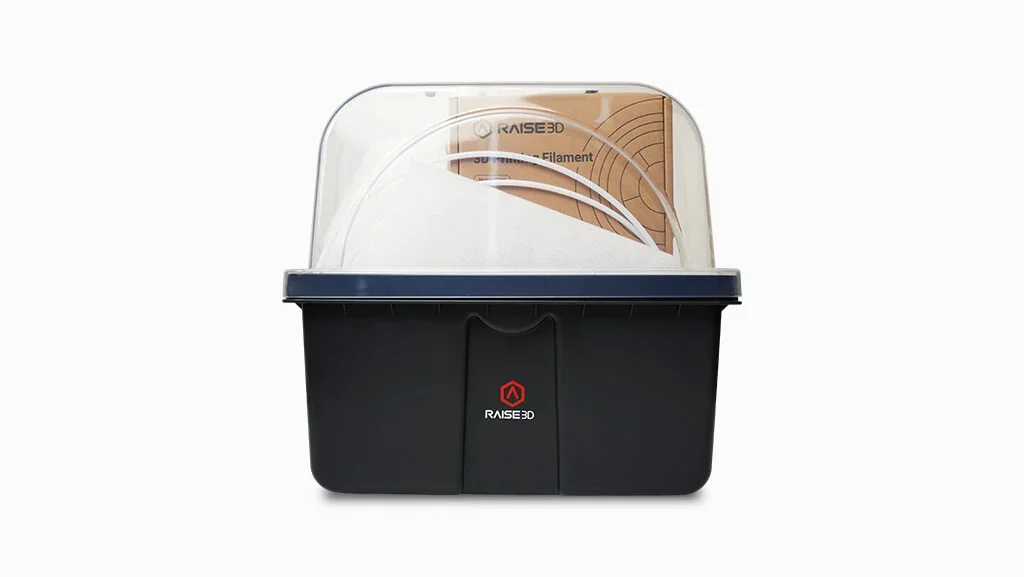 |
| Flexible Plate with BuildTak | Replacement flexible build plate with BuildTak surface; supports adhesion and easier part removal by flexing. | $89.99 | 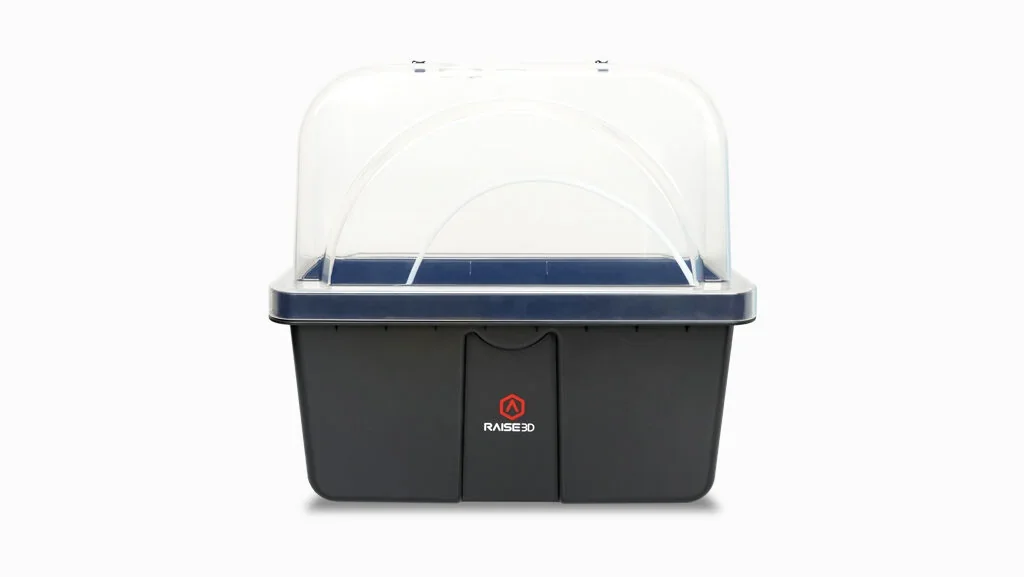 |
| BuildTak Build Surface | Replacement BuildTak print surface sheet; restores the BuildTak adhesion surface when worn. | $59.99 | 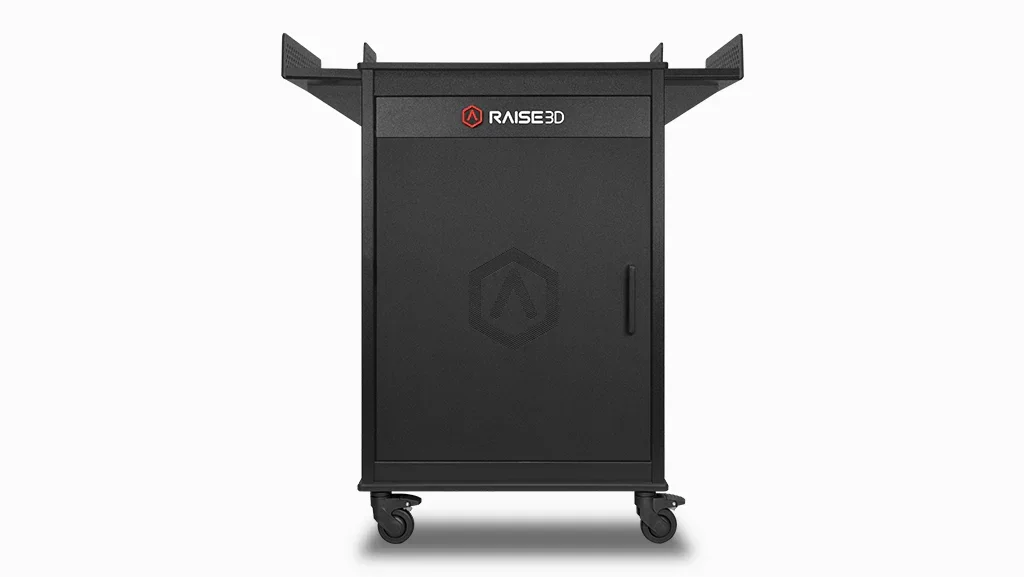 |
| Flexible Steel Build Plate | Replacement flexible steel build plate; enables easier part removal by flexing the plate. | $45.99 | 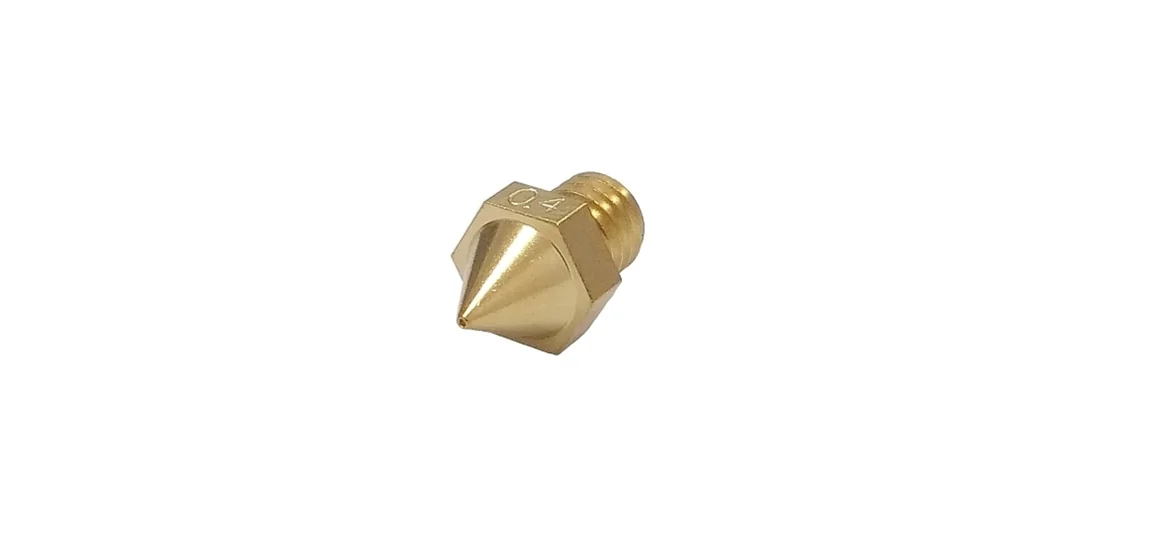 |
| Nozzles and Hot End Components | |||
| Hardened Nozzle V3 | Replacement hardened nozzle (V3); wear-resistant nozzle option for printing. | $24.99 | 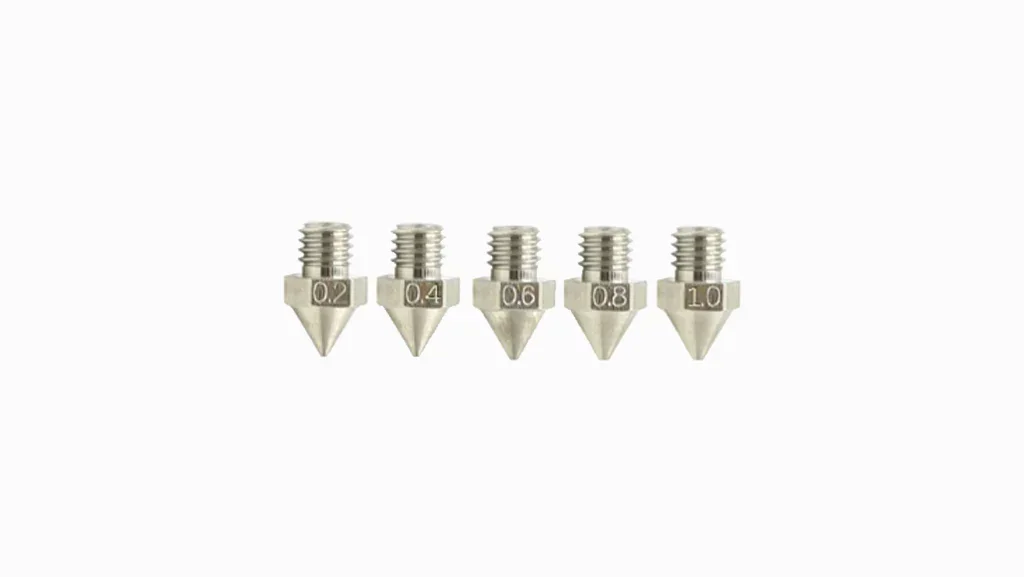 |
| Brass Nozzle V3 0.4mm | Replacement 0.4 mm brass nozzle (V3); Made of brass, it supports up to 300 °C, offering strong thermal conductivity, precise flow, and smooth extrusion with <0.02 mm diameter variation. Compatible with non-abrasive filaments (PLA, ABS, PETG, ASA, PC, TPU, TPE, NYLON, PVA, HIPS, and some filled types). Not recommended for abrasive composites like carbon fiber or metal-infused filaments. | $19.99 | 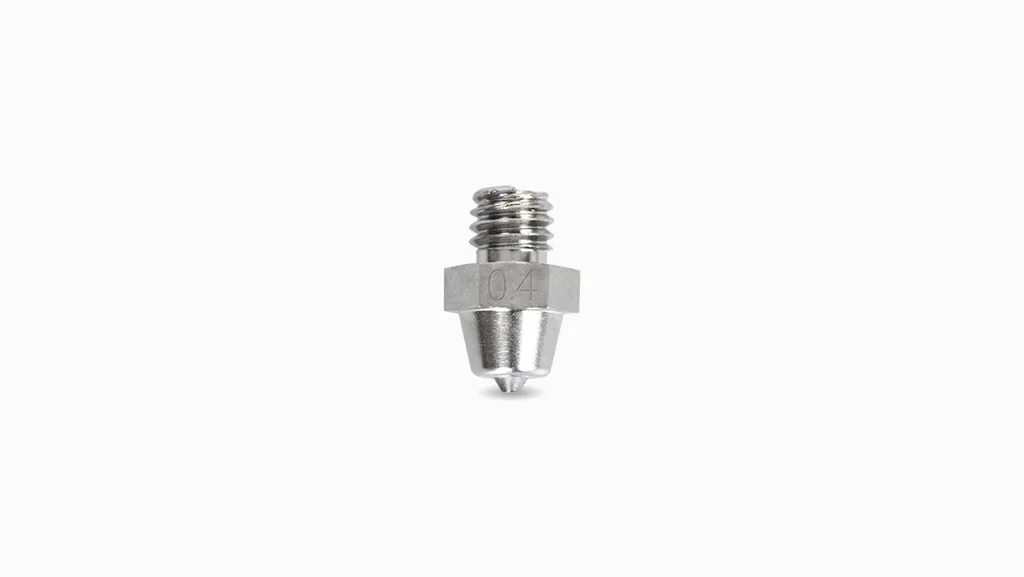 |
| Steel Nozzle with WS2 Coating | Replacement steel nozzle with WS2 coating; With Mohs hardness 7.8, max temp 450 °C, thermal conductivity 26 W/m·K, and CTE 12 μm/m·°C, it ensures durable, smooth extrusion of abrasive composites (carbon fiber, ceramic, metal). | $49.99 | 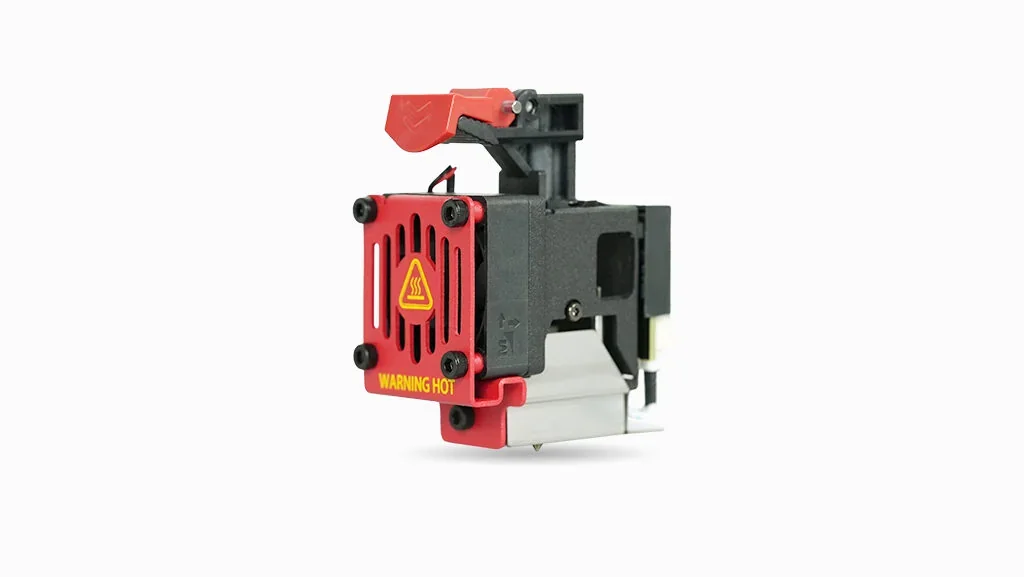 |
| P Thermocouple | Replacement thermocouple temperature sensor; measures hot end temperature for temperature control. | $19.99 | 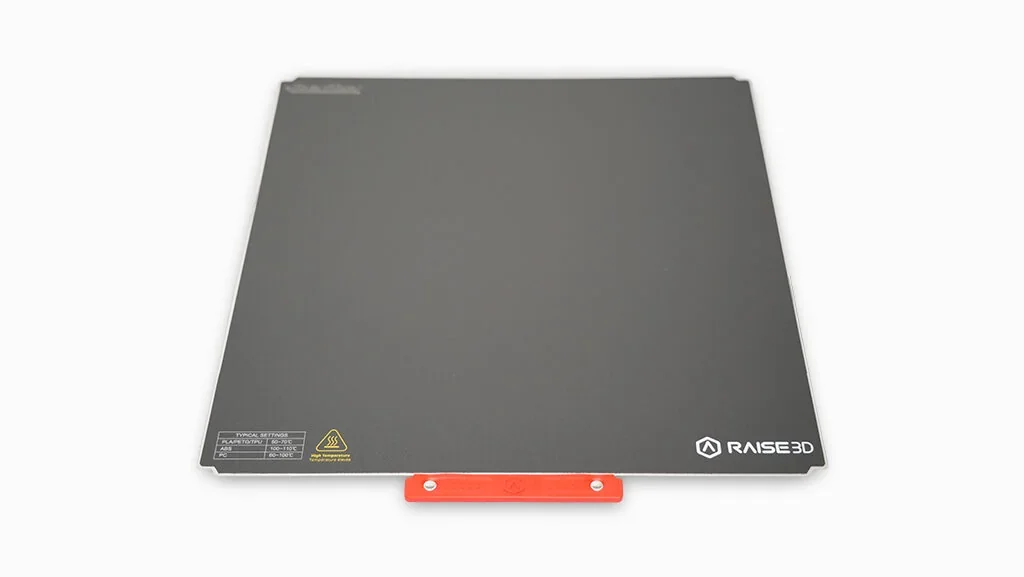 |
| Hyper Speed Hot End Assemblies | |||
| Raise3D Hyper Speed Hot End Assembly with Brass Nozzle 0.4mm | Replacement Hyper Speed hot end assembly with 0.4 mm brass nozzle; restores a Hyper Speed hot end setup. | $139.00 | 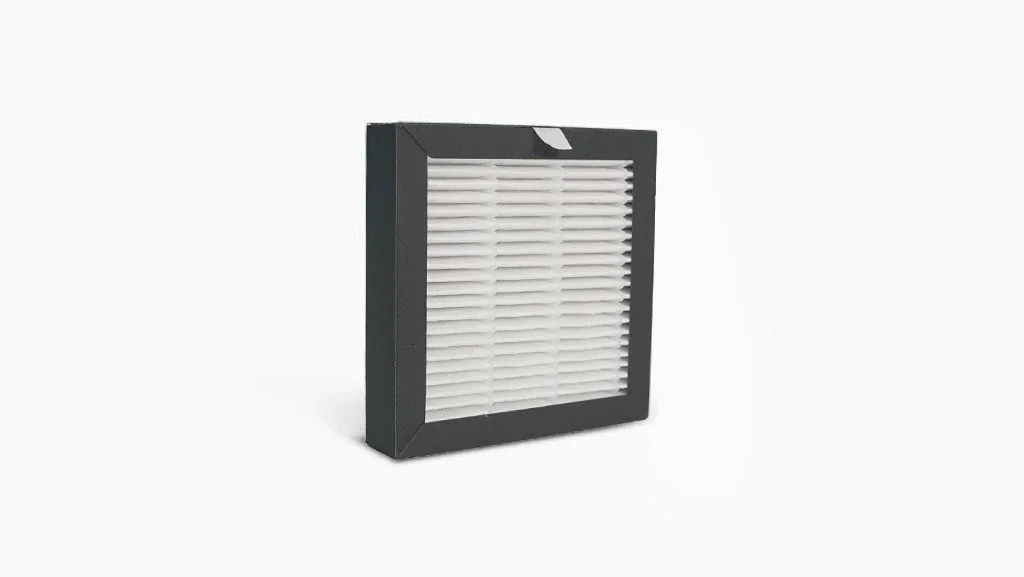 |
| Raise3D Hyper Speed Hot End Assembly with Silicon Carbide Nozzle 0.4mm V3 | Replacement Hyper Speed hot end assembly with 0.4 mm silicon carbide nozzle (V3); restores a Hyper Speed hot end setup. | $229.00 | 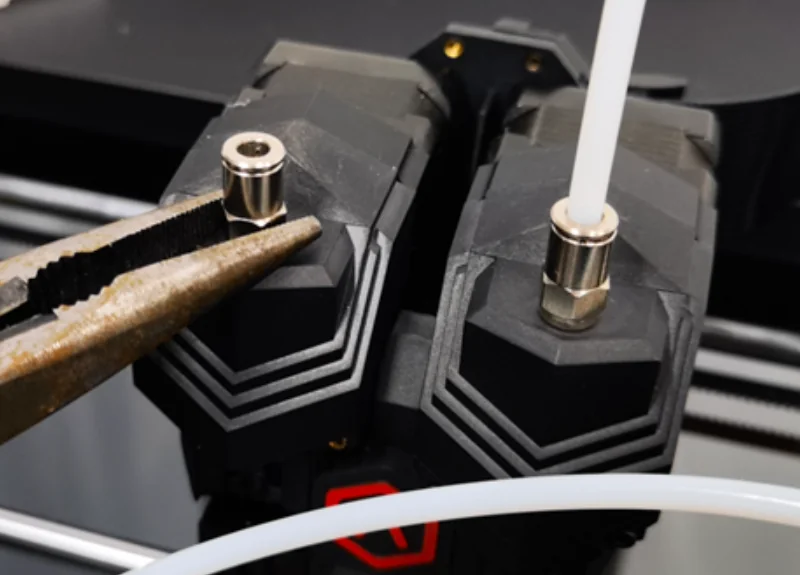 |
| Raise3D Hyper Speed Hot End Assembly with Silicon Carbide Nozzle 0.6mm V3 | Replacement Hyper Speed hot end assembly with 0.6 mm silicon carbide nozzle (V3); restores a Hyper Speed hot end setup. | $229.00 | 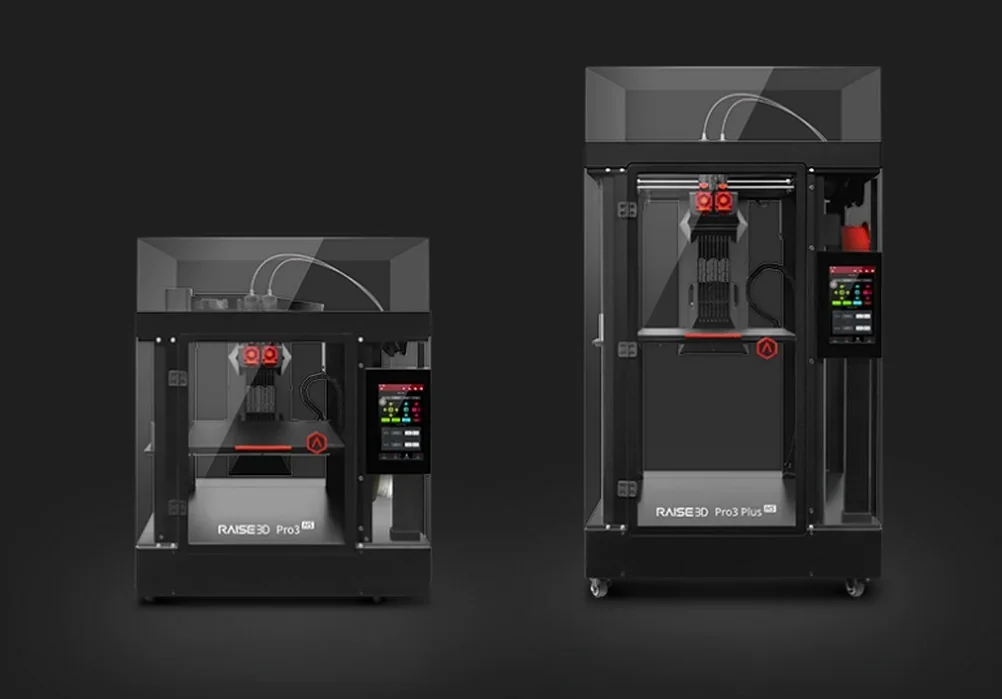 |
| Raise3D Hyper Speed Hot End Assembly with V3H Nozzle 0.6mm | Replacement Hyper Speed hot end assembly with 0.6 mm V3H nozzle; restores a Hyper Speed hot end setup. | $129.00 | 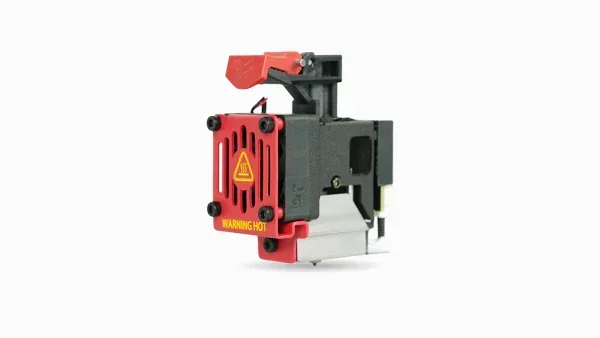 |
| Cooling Fans and Fan Covers | |||
| Extruder Front Model Cooling Fan | Replacement extruder front model cooling fan; provides part cooling airflow during printing. | $19.99 | 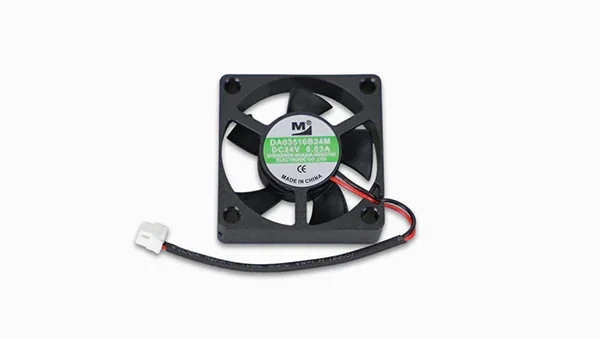 |
| Filament Detection, Endstops, and Auto-Leveling | |||
| Filament Detection Assembly | Replacement filament detection assembly; monitors filament presence/feeding for compatible printers. | $69.00 | 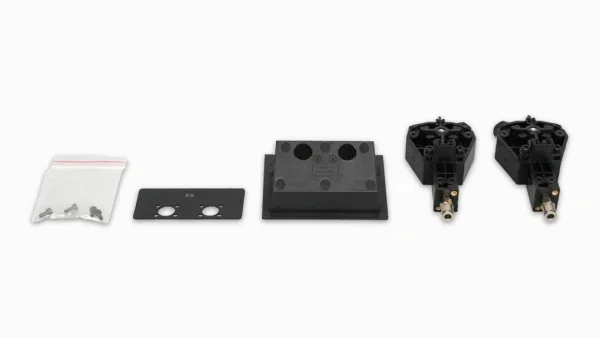 |
| Air Filtration Parts | |||
| Filter | Replacement filter for the printer filtration system; supports air filtration during printing. | $24.99 | 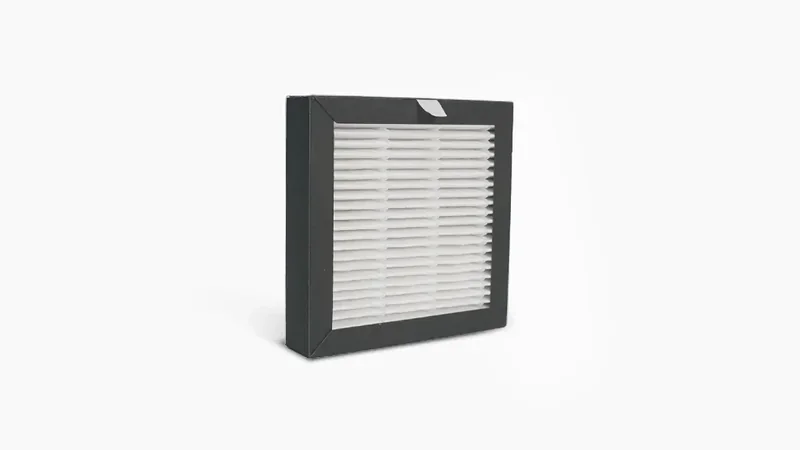 |
| Enclosure, Storage, and External Accessories | |||
| Raise3D Cabinet for Standard Size Printer | The cabinet includes two support frames for filament/dry boxes, a tool drawer, shelving with dividers, and locking wheels. Made of PC, PE, and metal, it measures 620 × 590 × 850 mm, offering organized storage and mobility for offices, workshops, or homes. | $899.00 | 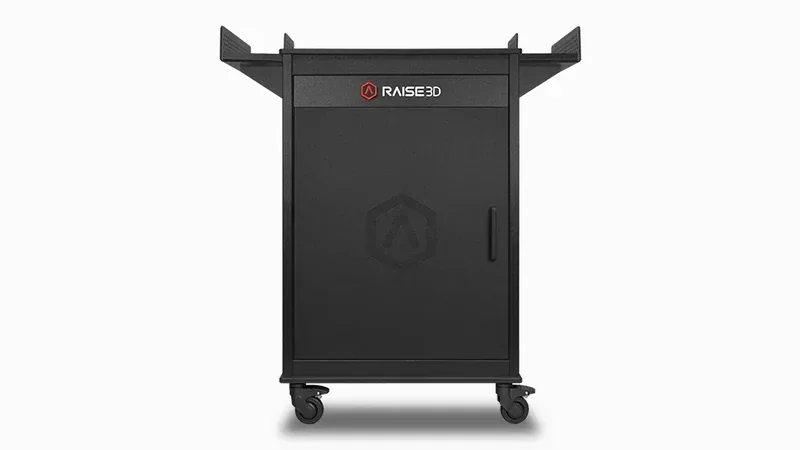 |
| Raise3D 2.5 kg Filament Box |
The Raise3D 2.5 kg Filament Box stores one 2.5 kg or two 1 kg spools in a sealed environment with real-time humidity and temperature monitoring via digital display. Measuring 466 × 190 × 455 mm and weighing 2.8 kg, it helps preserve filament quality. |
$79.00 | 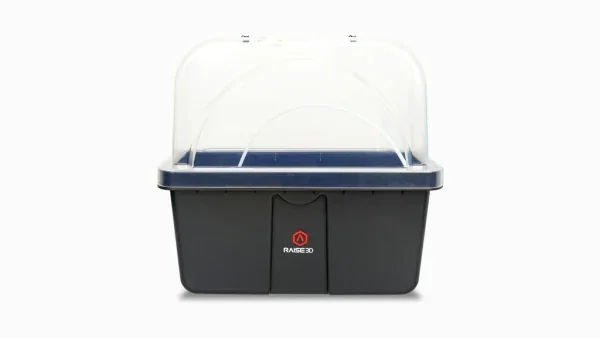 |
| Material and Process Accessory Kits | |||
| CF Accessory Kit | Carbon-fiber (CF) accessory kit; supports CF filament printing workflows on compatible printers. It includes a 2.5 kg filament box, a Hyper Speed Hot End with 0.6mm silicon carbide nozzle, and two 1kg spools (Hyper Speed PET CF and Hyper Core PPA CF25). All components are required for reliable composite material printing in industrial applications. | $469.00 | 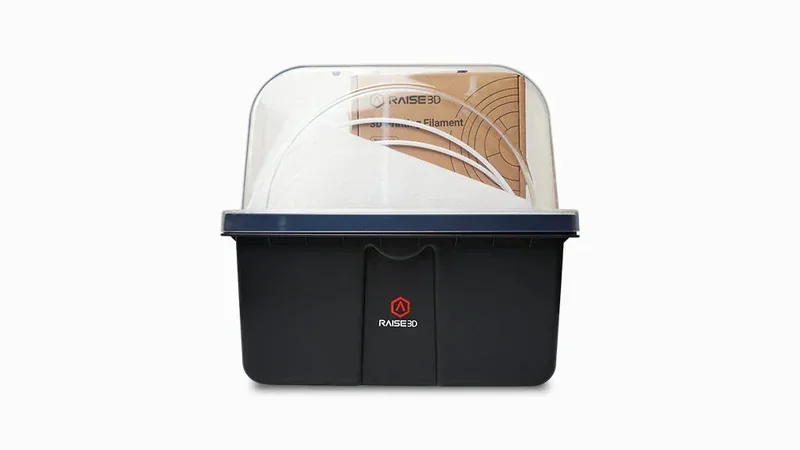 |
What maintenance does the Raise3D Pro3 Series require?
The Raise3D Pro3 HS Series requires over 17+ maintenance tasks to ensure print quality and printer longevity.
Per Print Maintenance:
- Inspect and replace damaged build plates (0.1 hr).
- Remove solidified filament (0.1 hr) and clean the plate with isopropyl alcohol outside the printer (0.1 hr).
- Verify hotend installation via indicator light (0.1 hr).
- Check cooling fans (0.1 hr).
- Clean nozzles of residual filament (0.1 hr) and ensure smooth filament loading (0.1 hr).
- Inspect X/Y axes for smooth motion, clean and re-lubricate as needed (0.5 hr).
- Check Z-axis movement, clean, lubricate, and remove jammed filament (0.5 hr each).
400-Hour Maintenance:
- Clean or replace nozzle when print quality drops or jams persist (1 hr).
- Adjust X/Y belt tension and tighten related screws (1.5 hr each).
- Clean and lubricate optical axes (1.5 hr).
- Clean and lubricate Z-axis screws (1 hr).
- Clean extruder gears when jammed (1.5 hr).
- Clean printer body, build plate, and remove residual filament from probes, nozzles, and fans (2 hr + 1 hr).
600-Hour Maintenance:
- Tighten hotend and thermocouple screws (1 hr).
- Troubleshoot and secure model cooling and side fans (1–2 hr).
- Clean or replace filament run-out sensors and remove dust (1–2 hr).
- Maintain airflow manager by replacing filters and cleaning fans (1 hr each).
What support and warranty come with the Raise3D Pro3 HS Series Printers?
The Raise3D 3D printers come with a 1-year limited warranty covering non-electronic and non-consumable parts. RaiseShield warranty extensions (1, 2, or 3 years) offer full coverage for electronic and mechanical components, excluding consumables and cosmetic defects.
| Warranty Plan | What’s Included | Price |
|---|---|---|
| Standard Limited Warranty (12 months) | Coverage for the printer and its parts against defects in materials/workmanship under normal use; excludes consumables such as Hotend(s), Hotend(s) Assembly(ies), Nozzle(s), Fan Cover(s), Build Surface, Build Plate(s), Top Acrylic Lid, Filter, Extruder Front Model Cooling Fan, P Thermocouple, Screw Buckle, Raise3D 2.5KG Filament Box, PC Cable Support, Short Tube, Filament Detection Assembly (Filament Run-out Sensor Assembly), 2.5kg Filament Support Shaft Sleeve, Top Cover(s), USB flash drive, SD card, E3 Desiccant Storage Box(es), or other items that are expended in the normal operation of the product, nor does it cover external devices, accessories or parts added to the PRODUCTS after the system is shipped from RAISE3D. | Included (with printer purchase) |
| 1-Year RaiseShield Warranty Plan | Full warranty coverage of electrical and mechanical components of Raise3D Pro3 Series printers for 1 year, consumables and cosmetic imperfection not included. | $800 |
| 2-Year RaiseShield Warranty Plan |
Full warranty coverage of electrical and mechanical components of Raise3D Pro3 Series printers for 2 years, consumables and cosmetic imperfection not included. |
$1200 |
| 3-Year RaiseShield Warranty Plan |
Full warranty coverage of electrical and mechanical components of Raise3D Pro3 Series printers for 3 years, consumables and cosmetic imperfection not included. |
$2000 |
| Product Replacement Service |
Customers are entitled to one free product replacement service within the warranty period. |
$500 |
Technical Support
Support Center: Access user guides, maintenance tips, and troubleshooting resources at https://support.raise3d.com/.
Submit Tickets: For access to the Raise3D team, submit tickets via http://help.raise3d.com/.
Phone Support:
- US: +1 (888) 963-9028
- Europe: +31 1080 8068
- Asia: +86 21 65337855
Educational Resources
- Raise3D Academy: Step-by-step guides, "how-to" articles, and video tutorials at https://www.raise3d.com/academy/
- Webinars: Focus on Pro3 Series maintenance and print quality tips at https://www.raise3d.com/webinar/
- Raise3D Community: https://www.facebook.com/groups/1196742157005496/
Certifications
Access CE, CB, FCC, and RoHS certifications on the Raise3D website.
Full warranty terms: https://www.raise3d.com/download/raise3d-limited-warranty-all-versions/
How much does the Raise3D Pro3 HS cost?
The Raise3D Pro3 HS, priced at $4,749.05, features dual-head IDEX with electronic lifting, 300 mm/s print speed, a large enclosed chamber with HEPA filter, and supports high-performance materials like carbon fiber composites.
The Pro3 Plus HS offers double the Z-axis height (605 mm vs. 300 mm) for about 20–25% more. Both support RaiseShield warranty extensions and the Products Replacement Service. For bulk or custom setups, contact Top3DShop for a quote.