
3D Printers for Dentistry
Dental 3D printers are additive manufacturing systems used in dental practices and labs to produce surgical guides, orthodontic models, splints, crowns, dentures, aligner molds, partial denture frameworks, and custom implant abutments. The most common systems are resin-based — available in SLA (stereolithography), DLP (digital light processing), and MSLA, also known as LCD (liquid crystal display) technology — while SLM (selective laser melting) metal printers are used for prosthetic metal components. Shop and compare systems from Phrozen, Raise3D, DWS, Emake3D, E-Plus 3D, AM3D, and more. Free shipping on every order.
-
-68%
Save $1,500
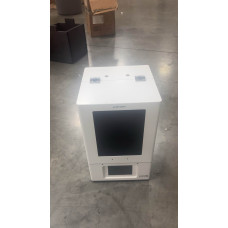
 Phrozen Sonic 4K 2022 Resin LCD 3D Printer
$699.00
$2,199.00
Out Of Stock
Build volume
135 x 75 x 200 mm
Min. layer height
10 Microns
Technology
LCD
View add-ons & extras
Request a quote
Talk to an expert
The Phrozen Sonic 4K 2022 is a desktop LCD 3D printer produced by Phrozen — a Taiwanese compan..
Phrozen Sonic 4K 2022 Resin LCD 3D Printer
$699.00
$2,199.00
Out Of Stock
Build volume
135 x 75 x 200 mm
Min. layer height
10 Microns
Technology
LCD
View add-ons & extras
Request a quote
Talk to an expert
The Phrozen Sonic 4K 2022 is a desktop LCD 3D printer produced by Phrozen — a Taiwanese compan..
-
-31%
Save $900
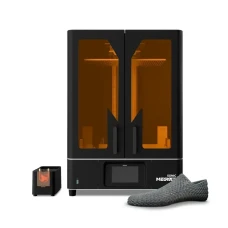
 Phrozen Sonic MEGA 8K: Large Format Resin 3D Printer with 43 µm Mono LCD Screen
$1,999.00
$2,899.00
Out Of Stock
Build volume
330 x 185 x 400 mm
Technology
LCD (MSLA)
View add-ons & extras
Request a quote
Talk to an expert
The Phrozen Sonic MEGA 8K (V1) is a large-format resin 3D printer with a 330 x 185 x 400 mm build vo..
Phrozen Sonic MEGA 8K: Large Format Resin 3D Printer with 43 µm Mono LCD Screen
$1,999.00
$2,899.00
Out Of Stock
Build volume
330 x 185 x 400 mm
Technology
LCD (MSLA)
View add-ons & extras
Request a quote
Talk to an expert
The Phrozen Sonic MEGA 8K (V1) is a large-format resin 3D printer with a 330 x 185 x 400 mm build vo..
-
-23%
Save $271
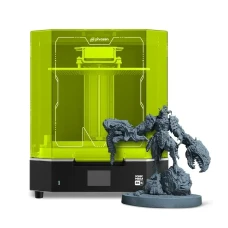
 Phrozen Sonic MEGA 8K S LCD Resin 3D Printer: 43 µm High Resolution LCD Screen, Large Printing Volume & Lift-Up Lid
$899.00
$1,170.00
Out Of Stock
Build volume
33 x 18.5 x 30 cm
Technology
Resin 3D Printer - LCD Type
View add-ons & extras
Request a quote
Talk to an expert
The Phrozen Sonic Mega 8K S is a large-format resin 3D printer featuring a 15-inch 8K monochrome LCD..
Phrozen Sonic MEGA 8K S LCD Resin 3D Printer: 43 µm High Resolution LCD Screen, Large Printing Volume & Lift-Up Lid
$899.00
$1,170.00
Out Of Stock
Build volume
33 x 18.5 x 30 cm
Technology
Resin 3D Printer - LCD Type
View add-ons & extras
Request a quote
Talk to an expert
The Phrozen Sonic Mega 8K S is a large-format resin 3D printer featuring a 15-inch 8K monochrome LCD..
-
-9%
Save $110
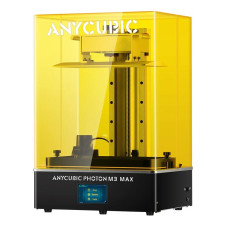
 Anycubic Photon M3 Max 3D Printer
$1,149.00
$1,259.00
Discontinued
Build volume
300 x 298 x 164 mm
Technology
LCD
View add-ons & extras
Find an alternative
Talk to an expert
The Anycubic Photon M3 Max is the first Anycubic large-format resin 3D printer and one of the most a..
Anycubic Photon M3 Max 3D Printer
$1,149.00
$1,259.00
Discontinued
Build volume
300 x 298 x 164 mm
Technology
LCD
View add-ons & extras
Find an alternative
Talk to an expert
The Anycubic Photon M3 Max is the first Anycubic large-format resin 3D printer and one of the most a..
-
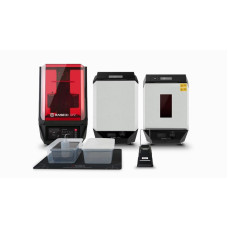
 Raise3D DF2 Complete Package
$7,999.00
In Stock
Build volume
200 x 112 x 300 mm
Technology
DLP (Digital Light Printing)
View add-ons & extras
Add to Cart
Talk to an expert
The Raise3D DF2 Solution is a professional DLP 3D printing system that is aimed at an accurate, fast..
Raise3D DF2 Complete Package
$7,999.00
In Stock
Build volume
200 x 112 x 300 mm
Technology
DLP (Digital Light Printing)
View add-ons & extras
Add to Cart
Talk to an expert
The Raise3D DF2 Solution is a professional DLP 3D printing system that is aimed at an accurate, fast..
-
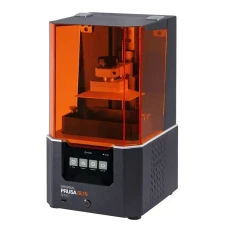
 Original Prusa SL1S SPEED: High-Speed Professional mSLA LCD Resin 3D Printer
$2,400.00
In Stock
Build volume
127×80×150 mm
Technology
MSLA (Masked Stereolithography)
View add-ons & extras
Add to Cart
Talk to an expert
The Original Prusa SL1S SPEED is a fast, masked SLA (MSLA) resin printer with a tilting tank, delive..
Original Prusa SL1S SPEED: High-Speed Professional mSLA LCD Resin 3D Printer
$2,400.00
In Stock
Build volume
127×80×150 mm
Technology
MSLA (Masked Stereolithography)
View add-ons & extras
Add to Cart
Talk to an expert
The Original Prusa SL1S SPEED is a fast, masked SLA (MSLA) resin printer with a tilting tank, delive..
-
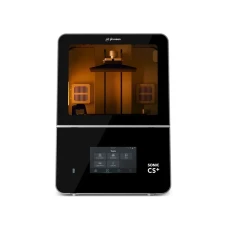
 Phrozen Sonic CS+: Dental 3D Printer with 385 nm LCD Technology for Precision Crown & Bridge 3D Printing
Price on request
In Stock
Build volume
Std: 16.5 x 7.1 x 17.5 cm; Mini: 7.0 x 7.0 x 17.5 cm
Technology
LCD
View add-ons & extras
Request a quote
Talk to an expert
The Phrozen Sonic CS+ is a compact LCD dental 3D printer designed for both beginners and professiona..
Phrozen Sonic CS+: Dental 3D Printer with 385 nm LCD Technology for Precision Crown & Bridge 3D Printing
Price on request
In Stock
Build volume
Std: 16.5 x 7.1 x 17.5 cm; Mini: 7.0 x 7.0 x 17.5 cm
Technology
LCD
View add-ons & extras
Request a quote
Talk to an expert
The Phrozen Sonic CS+ is a compact LCD dental 3D printer designed for both beginners and professiona..
-
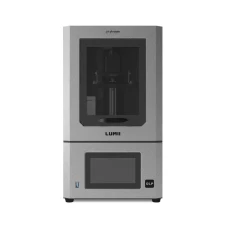
 Phrozen Lumii DLP: 2K Dental 3D Printer for Chairside Resin Printing
$2,999.00
In Stock
Build volume
130 × 73 × 150 mm
Technology
DLP (Digital Light Processing)
View add-ons & extras
Add to Cart
Talk to an expert
The Phrozen Lumii DLP is a high-precision dental 3D printer for chairside use, using 2K DLP technolo..
Phrozen Lumii DLP: 2K Dental 3D Printer for Chairside Resin Printing
$2,999.00
In Stock
Build volume
130 × 73 × 150 mm
Technology
DLP (Digital Light Processing)
View add-ons & extras
Add to Cart
Talk to an expert
The Phrozen Lumii DLP is a high-precision dental 3D printer for chairside use, using 2K DLP technolo..
-
 Phrozen Sonic XL 4K Plus: Professional Dental Resin 3D Printer
$3,499.00
In Stock
Build volume
196.6 x 120.3 x 200 mm
Technology
LCD MSLA (Masked Stereolithography)
View add-ons & extras
Add to Cart
Talk to an expert
The Phrozen Sonic XL 4K Plus is a high-precision LCD 3D printer for dental use, released in 2023. It..
Phrozen Sonic XL 4K Plus: Professional Dental Resin 3D Printer
$3,499.00
In Stock
Build volume
196.6 x 120.3 x 200 mm
Technology
LCD MSLA (Masked Stereolithography)
View add-ons & extras
Add to Cart
Talk to an expert
The Phrozen Sonic XL 4K Plus is a high-precision LCD 3D printer for dental use, released in 2023. It..
-
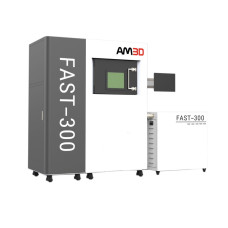
 AM3D Fast 300 SLM 3D Printer
Price on request
In Stock
Build volume
300 x 300 x 400 mm
Technology
SLM
View add-ons & extras
Request a quote
Talk to an expert
The AM3D Fast 300 is an industrial SLM (Selective Laser Melting) machine capable of producing high-q..
AM3D Fast 300 SLM 3D Printer
Price on request
In Stock
Build volume
300 x 300 x 400 mm
Technology
SLM
View add-ons & extras
Request a quote
Talk to an expert
The AM3D Fast 300 is an industrial SLM (Selective Laser Melting) machine capable of producing high-q..
-
 AM3D Fast 800 SLM 3D Printer
Price on request
In Stock
Build volume
650 x 650 x 800 mm
Technology
SLM
View add-ons & extras
Request a quote
Talk to an expert
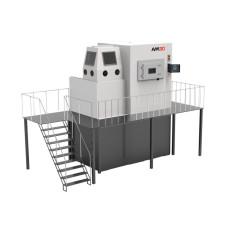
The AM3D Fast 800 is a large-format industrial SLM (Selective Laser Melting) machine capable of prod..
AM3D Fast 800 SLM 3D Printer
Price on request
In Stock
Build volume
650 x 650 x 800 mm
Technology
SLM
View add-ons & extras
Request a quote
Talk to an expert
The AM3D Fast 800 is a large-format industrial SLM (Selective Laser Melting) machine capable of prod..
-
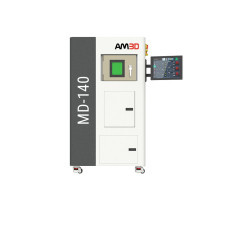
 AM3D MD 140 SLM 3D Printer
Price on request
In Stock
Build volume
φ140 x 100 mm
Technology
SLM
View add-ons & extras
Request a quote
Talk to an expert
The AM3D MD 140 is an industrial SLM (Selective Laser Melting) machine capable of producing high-qua..
AM3D MD 140 SLM 3D Printer
Price on request
In Stock
Build volume
φ140 x 100 mm
Technology
SLM
View add-ons & extras
Request a quote
Talk to an expert
The AM3D MD 140 is an industrial SLM (Selective Laser Melting) machine capable of producing high-qua..
-
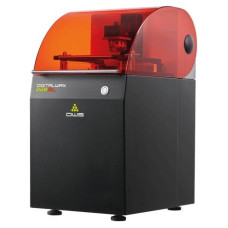
 DWS DW 028XLHR Industrial 3D Printer
$40,090.00
Available on backorder
Build volume
100 x 100 x 100 mm
Layer Height
10–100 micron
Technology
SLA
View add-ons & extras
Add to Cart
Talk to an expert
The DWS DW 028XLHR is an industrial-grade desktop SLA 3D printer that is aimed primarily at rap..
DWS DW 028XLHR Industrial 3D Printer
$40,090.00
Available on backorder
Build volume
100 x 100 x 100 mm
Layer Height
10–100 micron
Technology
SLA
View add-ons & extras
Add to Cart
Talk to an expert
The DWS DW 028XLHR is an industrial-grade desktop SLA 3D printer that is aimed primarily at rap..
-
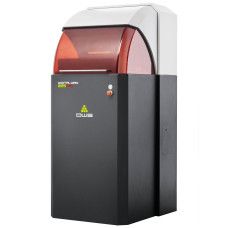
 DWS DW 029XC / DW 029XCHR Industrial 3D Printer
Price on request
Available on backorder
Build volume
170 x 170 x 200 mm
Layer Height
10–100 micron
Technology
SLA
View add-ons & extras
Request a quote
Talk to an expert
The DWS DW 029XC is an industrial-grade SLA 3D printer aimed primarily at rapid manufacturing and me..
DWS DW 029XC / DW 029XCHR Industrial 3D Printer
Price on request
Available on backorder
Build volume
170 x 170 x 200 mm
Layer Height
10–100 micron
Technology
SLA
View add-ons & extras
Request a quote
Talk to an expert
The DWS DW 029XC is an industrial-grade SLA 3D printer aimed primarily at rapid manufacturing and me..
-
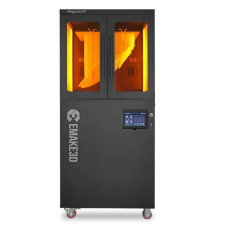
 Emake3D MegaLabs M1 3D Printer
$9,900.00
In Stock
Build volume
533 x 300 x 550 mm
Technology
DLP
View add-ons & extras
Add to Cart
Talk to an expert
Top 3D Shop offers an open-box Emake MegaLabs M1 with a 15% discount. Pay $9,900 $8,415 (SAVE $1,485..
Emake3D MegaLabs M1 3D Printer
$9,900.00
In Stock
Build volume
533 x 300 x 550 mm
Technology
DLP
View add-ons & extras
Add to Cart
Talk to an expert
Top 3D Shop offers an open-box Emake MegaLabs M1 with a 15% discount. Pay $9,900 $8,415 (SAVE $1,485..
-
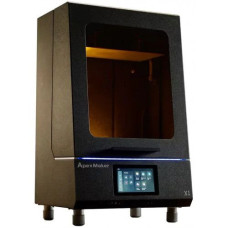
 ApexMaker X1 16 inch 8K MSLA 3D Printer
$1,999.00
In Stock
Build volume
353.28 x 198.72 x 400 mm
Technology
UV LCD
View add-ons & extras
Add to Cart
Talk to an expert
The ApexMaker X1 is a high-resolution industrial-grade LCD resin 3D printer aimed at outstanding det..
ApexMaker X1 16 inch 8K MSLA 3D Printer
$1,999.00
In Stock
Build volume
353.28 x 198.72 x 400 mm
Technology
UV LCD
View add-ons & extras
Add to Cart
Talk to an expert
The ApexMaker X1 is a high-resolution industrial-grade LCD resin 3D printer aimed at outstanding det..
-
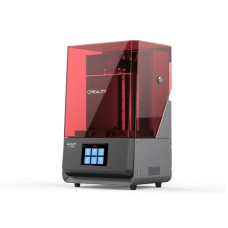
 Creality HALOT MAX 3D Printer
$3,099.99
Available on backorder
Build volume
293 x 165 x 300 mm
Layer Height
50 Microns
Technology
LCD
View add-ons & extras
Add to Cart
Talk to an expert
The Creality HALOT-MAX is a desktop LCD 3D printer that offers a huge build volume of 293 x 165 x 30..
Creality HALOT MAX 3D Printer
$3,099.99
Available on backorder
Build volume
293 x 165 x 300 mm
Layer Height
50 Microns
Technology
LCD
View add-ons & extras
Add to Cart
Talk to an expert
The Creality HALOT-MAX is a desktop LCD 3D printer that offers a huge build volume of 293 x 165 x 30..
-
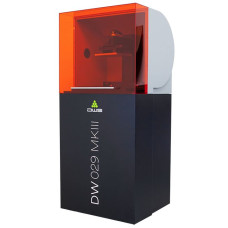
 DWS DW 029MKIII Industrial 3D Printer
Price on request
Available on backorder
Build volume
100 x 100 x 100 mm
Layer Height
10–100 micron
Technology
SLA
View add-ons & extras
Request a quote
Talk to an expert
The DWS DW 029MKIII is an industrial SLA 3D printer that represents the new vision of sustainable pr..
DWS DW 029MKIII Industrial 3D Printer
Price on request
Available on backorder
Build volume
100 x 100 x 100 mm
Layer Height
10–100 micron
Technology
SLA
View add-ons & extras
Request a quote
Talk to an expert
The DWS DW 029MKIII is an industrial SLA 3D printer that represents the new vision of sustainable pr..
-
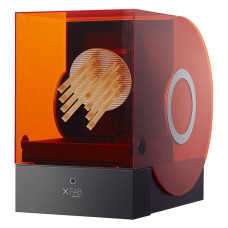
 DWS XFAB 2500PD Dental 3D Printer
$14,290.00
Available on backorder
Build volume
Ø180 x 180 mm
Layer Height
10–100 micron
Technology
SLA
View add-ons & extras
Add to Cart
Talk to an expert
The DWS XFAB 2500PD Dental is a desktop SLA 3D printer that is aimed primarily at dental manufacturi..
DWS XFAB 2500PD Dental 3D Printer
$14,290.00
Available on backorder
Build volume
Ø180 x 180 mm
Layer Height
10–100 micron
Technology
SLA
View add-ons & extras
Add to Cart
Talk to an expert
The DWS XFAB 2500PD Dental is a desktop SLA 3D printer that is aimed primarily at dental manufacturi..
-
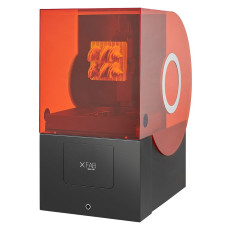
 DWS XFAB 3500PD Dental 3D Printer
$28,290.00
Available on backorder
Build volume
160 x 160 x 180 mm
Layer Height
10–100 micron
Technology
SLA
View add-ons & extras
Add to Cart
Talk to an expert
The DWS XFAB 3500PD Dental is a desktop SLA 3D printer that is aimed primarily at dental manufacturi..
DWS XFAB 3500PD Dental 3D Printer
$28,290.00
Available on backorder
Build volume
160 x 160 x 180 mm
Layer Height
10–100 micron
Technology
SLA
View add-ons & extras
Add to Cart
Talk to an expert
The DWS XFAB 3500PD Dental is a desktop SLA 3D printer that is aimed primarily at dental manufacturi..
-
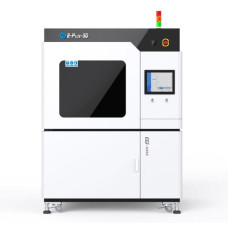
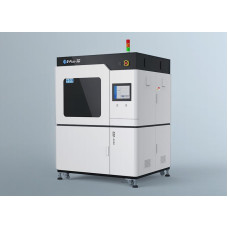
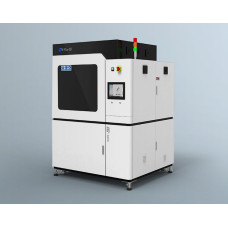
 E-Plus 3D EP-A450 Resin 3D Printer
Price on request
Available on backorder
Build volume
450 x 450 x 350 mm
Technology
SLA
View add-ons & extras
Request a quote
Talk to an expert
The EP-A450 is an industrial 3D printer based on the SLA technology. The model features a spacious b..
E-Plus 3D EP-A450 Resin 3D Printer
Price on request
Available on backorder
Build volume
450 x 450 x 350 mm
Technology
SLA
View add-ons & extras
Request a quote
Talk to an expert
The EP-A450 is an industrial 3D printer based on the SLA technology. The model features a spacious b..
-
 E-Plus 3D EP-A650 Resin 3D Printer
Price on request
Available on backorder
Build volume
650 x 600 x 400 mm
Technology
SLA
View add-ons & extras
Request a quote
Talk to an expert
The EP-A650 is an industrial 3D printer based on the SLA technology. The model features a large buil..
E-Plus 3D EP-A650 Resin 3D Printer
Price on request
Available on backorder
Build volume
650 x 600 x 400 mm
Technology
SLA
View add-ons & extras
Request a quote
Talk to an expert
The EP-A650 is an industrial 3D printer based on the SLA technology. The model features a large buil..
-
 E-Plus 3D EP-A800 Resin 3D Printer
Price on request
Available on backorder
Build volume
800 x 800 x 450 mm
Technology
SLA
View add-ons & extras
Request a quote
Talk to an expert
The EP-A800 is an industrial 3D printer based on the SLA technology. The model has the largest build..
E-Plus 3D EP-A800 Resin 3D Printer
Price on request
Available on backorder
Build volume
800 x 800 x 450 mm
Technology
SLA
View add-ons & extras
Request a quote
Talk to an expert
The EP-A800 is an industrial 3D printer based on the SLA technology. The model has the largest build..
-
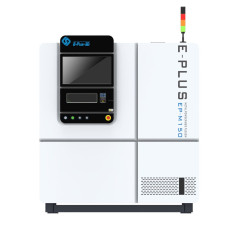
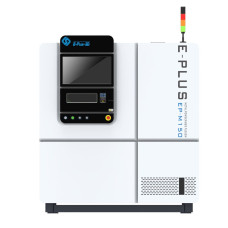
 E-Plus 3D EP-M150 Dental Metal 3D Printer
Price on request
Available on backorder
Build volume
⌀153 x 80 mm
Technology
SLM
View add-ons & extras
Request a quote
Talk to an expert
The E-Plus 3D EP-M150 Dental is an industrial SLM 3D printer with a compact cylinder build chamber, ..
E-Plus 3D EP-M150 Dental Metal 3D Printer
Price on request
Available on backorder
Build volume
⌀153 x 80 mm
Technology
SLM
View add-ons & extras
Request a quote
Talk to an expert
The E-Plus 3D EP-M150 Dental is an industrial SLM 3D printer with a compact cylinder build chamber, ..
-
 E-Plus 3D EP-M150 Metal 3D Printer
Price on request
Available on backorder
Build volume
⌀153 x 120 mm
Technology
SLM
View add-ons & extras
Request a quote
Talk to an expert
The E-Plus 3D EP-M150 is an industrial SLM 3D printer with a compact cylinder build chamber, designe..
E-Plus 3D EP-M150 Metal 3D Printer
Price on request
Available on backorder
Build volume
⌀153 x 120 mm
Technology
SLM
View add-ons & extras
Request a quote
Talk to an expert
The E-Plus 3D EP-M150 is an industrial SLM 3D printer with a compact cylinder build chamber, designe..
-
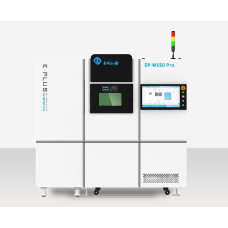
 E-Plus 3D EP-M150 Pro Metal 3D Printer
Price on request
Available on backorder
Build volume
⌀156 x 240 mm
Technology
SLM
View add-ons & extras
Request a quote
Talk to an expert
The E-Plus 3D EP-M150 Pro is an industrial SLM 3D printer with a cylinder build chamber, designed fo..
E-Plus 3D EP-M150 Pro Metal 3D Printer
Price on request
Available on backorder
Build volume
⌀156 x 240 mm
Technology
SLM
View add-ons & extras
Request a quote
Talk to an expert
The E-Plus 3D EP-M150 Pro is an industrial SLM 3D printer with a cylinder build chamber, designed fo..
-
 E-Plus 3D EP-M250 Pro Metal 3D Printer
Price on request
Available on backorder
Build volume
262 x 262 x 350 mm
Technology
SLM
View add-ons & extras
Request a quote
Talk to an expert
The E-Plus 3D EP-M250 Pro is an industrial SLM 3D printer designed for efficient production of high-..
E-Plus 3D EP-M250 Pro Metal 3D Printer
Price on request
Available on backorder
Build volume
262 x 262 x 350 mm
Technology
SLM
View add-ons & extras
Request a quote
Talk to an expert
The E-Plus 3D EP-M250 Pro is an industrial SLM 3D printer designed for efficient production of high-..
-
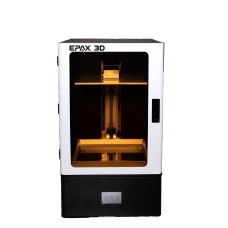
 EPAX X10 3D Printer
$1,199.00
Available on backorder
Build volume
216 x 135 x 250 mm (8.5 x 5.3 x 9.8 in)
Layer Height
50 Microns
Technology
LCD
View add-ons & extras
Add to Cart
Talk to an expert
The EPAX X10 is an LCD-based UV resin 3D printer that offers a mid-sized build volume of 216 x 135 x..
EPAX X10 3D Printer
$1,199.00
Available on backorder
Build volume
216 x 135 x 250 mm (8.5 x 5.3 x 9.8 in)
Layer Height
50 Microns
Technology
LCD
View add-ons & extras
Add to Cart
Talk to an expert
The EPAX X10 is an LCD-based UV resin 3D printer that offers a mid-sized build volume of 216 x 135 x..
-
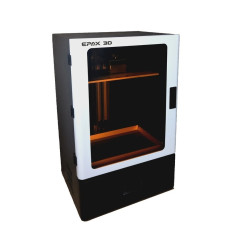
 EPAX X133 3D Printer
$3,299.00
Available on backorder
Build volume
292 x 165 x 400 mm (11.5 x 6.5 x 15.7 in)
Layer Height
10 Microns
Technology
LCD
View add-ons & extras
Add to Cart
Talk to an expert
The EPAX X133 is an LCD-based parallel LED light resin 3D printer that offers a solid build volume o..
EPAX X133 3D Printer
$3,299.00
Available on backorder
Build volume
292 x 165 x 400 mm (11.5 x 6.5 x 15.7 in)
Layer Height
10 Microns
Technology
LCD
View add-ons & extras
Add to Cart
Talk to an expert
The EPAX X133 is an LCD-based parallel LED light resin 3D printer that offers a solid build volume o..
-
 EPAX X156 3D Printer
$2,799.00
Available on backorder
Build volume
345 x 194 x 400mm / 293 x165 x 400mm
Layer Height
10 Microns
Technology
LCD
View add-ons & extras
Add to Cart
Talk to an expert
The EPAX X156 is an LCD-based parallel LED light resin 3D printer that offers a solid build volume o..
EPAX X156 3D Printer
$2,799.00
Available on backorder
Build volume
345 x 194 x 400mm / 293 x165 x 400mm
Layer Height
10 Microns
Technology
LCD
View add-ons & extras
Add to Cart
Talk to an expert
The EPAX X156 is an LCD-based parallel LED light resin 3D printer that offers a solid build volume o..
-
 LUGOLABS LUGO G3 3D printer
$2,599.00
Available on backorder
Build volume
190 x 165 x 180 mm
Technology
FDM
View add-ons & extras
Add to Cart
Talk to an expert
The LUGO G3 is a professional desktop FDM 3D printer featuring dual extrusion system, wide material ..
LUGOLABS LUGO G3 3D printer
$2,599.00
Available on backorder
Build volume
190 x 165 x 180 mm
Technology
FDM
View add-ons & extras
Add to Cart
Talk to an expert
The LUGO G3 is a professional desktop FDM 3D printer featuring dual extrusion system, wide material ..
-
 LUGOLABS LUGO G3 HT 3D printer
$3,199.00
Available on backorder
Build volume
190 x 165 x 180 mm
Technology
FDM
View add-ons & extras
Add to Cart
Talk to an expert
The LUGO G3 HT is a high-temp version of the professional-grade LUGO G3 printer, with significantly ..
LUGOLABS LUGO G3 HT 3D printer
$3,199.00
Available on backorder
Build volume
190 x 165 x 180 mm
Technology
FDM
View add-ons & extras
Add to Cart
Talk to an expert
The LUGO G3 HT is a high-temp version of the professional-grade LUGO G3 printer, with significantly ..
-
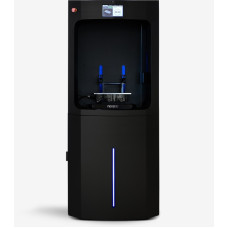
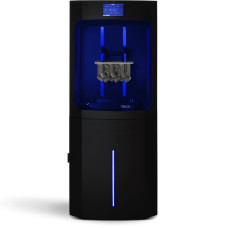
 Nexa3D NXE200 3D Printer
Price on request
In Stock
Pixel pitch
76.5 µm (0.0030 in)
Build volume
275 x 155 x 200 mm
Technology
LSPc
View add-ons & extras
Request a quote
Talk to an expert
The Nexa3D NXE 200 is an industrial-scale LSPc (Lubricant Sublayer Photo-curing) 3D printer for prof..
Nexa3D NXE200 3D Printer
Price on request
In Stock
Pixel pitch
76.5 µm (0.0030 in)
Build volume
275 x 155 x 200 mm
Technology
LSPc
View add-ons & extras
Request a quote
Talk to an expert
The Nexa3D NXE 200 is an industrial-scale LSPc (Lubricant Sublayer Photo-curing) 3D printer for prof..
-
 Nexa3D NXE400 3D Printer
Price on request
In Stock
Pixel pitch
76.5 µm (0.0030 in)
Build volume
275 x 155 x 400mm (10.8 x 6.1 x 15.7 inch)
Technology
LSPc
View add-ons & extras
Request a quote
Talk to an expert
The NXE400 is a revolutionary industrial 3D printer produced by California-based Nexa3D. Powered by ..
Nexa3D NXE400 3D Printer
Price on request
In Stock
Pixel pitch
76.5 µm (0.0030 in)
Build volume
275 x 155 x 400mm (10.8 x 6.1 x 15.7 inch)
Technology
LSPc
View add-ons & extras
Request a quote
Talk to an expert
The NXE400 is a revolutionary industrial 3D printer produced by California-based Nexa3D. Powered by ..
-
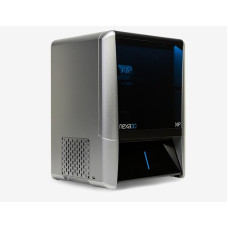
 Nexa3D XiP 3D Printer
Price on request
In Stock
Pixel pitch
52 µm
Build volume
195 x 115 x 210 mm
Technology
LSPc
View add-ons & extras
Request a quote
Talk to an expert
The Nexa3D XiP is a desktop LSPc (Lubricant Sublayer Photo-curing) 3D printer aimed at rapid and sim..
Nexa3D XiP 3D Printer
Price on request
In Stock
Pixel pitch
52 µm
Build volume
195 x 115 x 210 mm
Technology
LSPc
View add-ons & extras
Request a quote
Talk to an expert
The Nexa3D XiP is a desktop LSPc (Lubricant Sublayer Photo-curing) 3D printer aimed at rapid and sim..
-
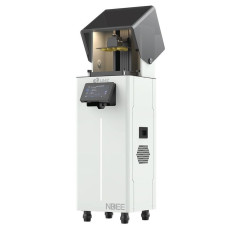
 Uniz NBEE 3D printer
$11,000.00
In Stock
Build volume
192 × 120 × 180 mm
Layer Height
0.025–0.15 mm
Technology
Liquid cooling LCD stereolithography
View add-ons & extras
Add to Cart
Talk to an expert
The Uniz NBEE is an LCD 3D printer designed specially for the dental industry. Claimed as the world&..
Uniz NBEE 3D printer
$11,000.00
In Stock
Build volume
192 × 120 × 180 mm
Layer Height
0.025–0.15 mm
Technology
Liquid cooling LCD stereolithography
View add-ons & extras
Add to Cart
Talk to an expert
The Uniz NBEE is an LCD 3D printer designed specially for the dental industry. Claimed as the world&..
- 1
- 2
What Types of Dental 3D Printers Are Available?
Dental 3D printers fall into two categories: resin-based systems that cure liquid photopolymer with UV light, and metal systems that fuse powder with a laser. Resin printers account for the majority of dental applications and are available in three technologies — SLA, DLP, and MSLA — each differing in how UV light is delivered to the resin.
| Technology | How It Works | XY Resolution | Key Tradeoff |
|---|---|---|---|
| SLA (stereolithography) | UV laser traces each layer point-by-point | 25–50 µm | Highest detail per point; slower on multi-part batches since the laser traces each part sequentially |
| DLP (digital light processing) | Digital projector cures entire layer at once via DMD (digital micromirror device) | 50–75 µm | Cures full layers regardless of part count; resolution is highest at center and decreases toward edges of the build area, which limits practical build size. Projector light source lasts approximately 10,000 hours |
| MSLA (masked stereolithography) | UV LED array shines through an LCD mask to cure full layer | 35–75 µm | Uniform resolution across the entire build area since each pixel is directly mapped; enables larger build sizes than DLP. The LCD screen is a consumable with approximately 2,000 hours of service life and requires periodic replacement |
| SLM (selective laser melting) | Laser fuses metal powder layer-by-layer | High | Produces dense metal parts in biocompatible alloys such as cobalt-chrome and titanium; highest equipment and material cost |
SLA is the most widely used technology for implant surgical guides due to its surface accuracy. DLP and MSLA offer faster batch throughput, making them preferred in orthodontic labs producing high volumes of aligner models. SLM metal printers produce prosthetic components in biocompatible alloys such as cobalt-chrome and titanium.
Shop dental 3D printers by technology: SLA dental printers (10), DLP dental printers (4), MSLA / LCD dental printers (30).
Which Dental Applications Does Each 3D Printer Support?
Dental 3D printers produce surgical guides, orthodontic models, clear aligner molds, occlusal splints, crowns, bridges, dentures, custom impression trays, indirect bonding trays, and casting patterns. Material compatibility and regulatory certification — such as ISO 10993 for biocompatibility — determine which applications a specific printer and resin combination supports for clinical use.
Resin-based printers produce both extraoral parts (models, trays) and intraoral appliances (splints, crowns, dentures) depending on the resin's biocompatibility certification:
- Diagnostic and restorative models — physical replicas of patient dentition for treatment planning and case presentation
- Orthodontic models and clear aligner molds — used for aligner thermoforming; require dimensional consistency across the full arch
- Surgical guides and implant guides — single-use biocompatible appliances that guide drill direction, angle, and depth during implant surgery; require the highest accuracy class
- Occlusal splints and night guards — custom appliances to protect teeth from bruxism; printed in dedicated splint resins
- Temporary crowns and bridges — provisional same-day chairside restorations; material must meet temporary contact biocompatibility standards
- Permanent crowns and bridges — possible with advanced composite and ceramic-hybrid resins; still emerging as milling remains preferred for zirconia
- Denture bases and full dentures — removable prosthetic appliances; second and third-generation denture resins now support definitive-use dentures
- Custom impression trays — patient-specific trays replacing stock trays for more accurate impressions
- Indirect bonding trays — transfer bracket positions from a model to the patient's teeth in orthodontics
- Casting and pressing patterns — burnout resin patterns used as wax alternatives for metal casting and pressable ceramic workflows
SLM metal printers produce load-bearing prosthetic components in cobalt-chrome and titanium alloys:
- Crown and bridge substructures — metal copings underneath ceramic restorations
- Removable partial denture (RPD) frameworks — metal clasp structures
- Custom implant abutments — connectors between implant and crown
Each application requires a specific resin or alloy validated for that indication. For surgical guides — the highest-accuracy application — shop printers with validated surgical guide resin profiles: Phrozen Sonic CS+, Phrozen Lumii DLP, DWS XFAB 2500PD. For high-volume orthodontic model production, see Phrozen Sonic MEGA 8K S and Phrozen Sonic XL 4K Plus.
How to Choose a Dental 3D Printer for a Dental Practice vs. a Lab?
Dental practices and dental labs have different requirements when selecting a 3D printer. Five factors determine which system fits your workflow: daily print volume, application mix, material system, post-processing, and software integration.
For dental practices (chairside use)
Chairside printers serve same-day workflows — surgical guides, temporary crowns, and splints printed between patient appointments. A typical practice prints 5–10 parts per day on a single unit, so speed per part matters more than batch capacity. The application mix is usually narrow — most practices focus on one or two indications such as surgical guides or splints — which means a closed material system with manufacturer-validated print profiles is often sufficient and simpler to operate. Post-processing adds time to every print: automated wash and cure stations keep this under 15 minutes with minimal hands-on effort. Finally, the printer must accept standard file formats (STL, 3MF) from your intraoral scanner and CAD/CAM platform — whether exocad, 3Shape, Medit, or CEREC.
Shop chairside dental 3D printers: Phrozen Lumii DLP, Phrozen Sonic CS+, Emake3D Stellar Mini Pro.
For dental labs
Labs batch-produce models, dentures, aligner molds, and casting patterns across multiple cases per day — typically 50–100+ parts per shift — so build platform size and batch throughput drive the selection. A wider application mix means labs often run multiple dedicated printers to avoid frequent resin changes, and an open material system reduces per-unit resin cost while allowing flexibility across different resin brands. Post-processing equipment must match this throughput — high-volume labs need dedicated wash and cure stations separate from the printer. Software compatibility with lab CAD platforms and the ability to nest multiple cases on a single build plate are essential for efficient production scheduling.
Shop dental lab 3D printers: Phrozen Sonic MEGA 8K S, Phrozen Sonic XL 4K Plus, Emake3D Stellar I Pro, Raise3D DF2.
What Is the Price Range for Dental 3D Printers?
Dental 3D printers range from under $700 for entry-level MSLA systems to over $40,000 for industrial SLA units. Hardware cost is only part of the investment — total cost of ownership also includes resin ($50–$300+ per liter depending on indication), wash and cure equipment, consumable replacements such as LCD screens for MSLA printers, and software subscriptions.
| Tier | Price Range | Examples from Our Catalog |
|---|---|---|
| Entry-level | $699–$2,500 | Phrozen Sonic 4K 2022 [CLEARANCE] — $699, Phrozen Sonic MEGA 8K S — $1,170, Emake3D Stellar Mini Pro — $1,399 |
| Mid-range | $2,500–$7,000 | Phrozen Lumii DLP — $2,999, Phrozen Sonic XL 4K Plus — $3,499, Emake3D Stellar I Pro — $3,599, SprintRay MoonRay — $4,430 |
| Professional | $7,000–$12,000 | Raise3D DF2 — $7,999, Emake3D Stellar III — $7,999, Emake3D MegaLabs M1 — $9,900 |
| Enterprise | $14,000+ | DWS XFAB 2500PD — $14,290, DWS XFAB 3500PD — $28,290, DWS DW 028XLHR — $40,090 |
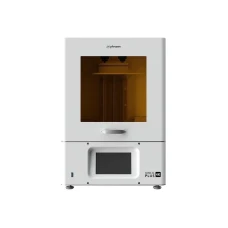
Clearance and open-box units offer a way to access higher-tier systems at entry-level prices. The Phrozen Sonic 4K 2022 [CLEARANCE — $699] is a professional-grade 4K dental resin printer equipped with DS Slicer and preset profiles for major dental resins — originally $3,299.
What Accuracy and Resolution Are Required for Dental 3D Printing?
Two specifications define a dental 3D printer's detail capability: XY resolution (pixel size in the horizontal plane) and Z resolution (layer height in the vertical axis). XY resolution ranges from 25 µm on high-end SLA systems to 75 µm on entry-level MSLA printers and determines surface smoothness and fine feature reproduction. Z resolution — typically adjustable between 10 µm and 300 µm — controls vertical detail; thinner layers produce smoother surfaces but increase print time.
Clinical research establishes less than 100 µm mean error as the threshold for clinically acceptable accuracy across most dental applications, with the best-performing printer and resin combinations achieving overall trueness under 35 µm. Surgical guides and restorations demand the tightest tolerances, while diagnostic and orthodontic models allow broader margins.
No specific printing technology — SLA, DLP, or MSLA — is inherently more accurate than others. The individual printer and resin combination, along with post-processing variables (wash time, cure energy, build orientation), determines the final part accuracy. Always evaluate accuracy with real scan data and test prints rather than relying solely on manufacturer specifications.
In our catalog, the highest XY resolutions are available on SLA systems such as the DWS XFAB 2500PD and the Phrozen Sonic CS+. Compare full specifications on each product page.
What Resins and Materials Are Compatible with Dental 3D Printers?
Dental 3D printing materials fall into two categories: photopolymer resins for resin-based printers (SLA, DLP, MSLA) and metal powders for SLM printers. Resins intended for intraoral use must carry biocompatibility certification — ISO 10993 (international) and ISO 7405 (dental-specific). In the United States, intraoral resins also require FDA 510(k) clearance, which is granted per resin and printer combination, not per printer alone.
Photopolymer resins used in dental 3D printing include:
- Model resin — for diagnostic and orthodontic models; not for intraoral contact; typically the most affordable resin category
- Surgical guide resin — transparent, biocompatible, and autoclavable for implant surgical guides and drilling templates; must meet ISO 10993 and ISO 7405
- Splint resin — biocompatible and flexible for occlusal splints and night guards; designed to withstand cyclic loading
- Temporary crown and bridge resin — cleared for short-term intraoral contact for provisional same-day chairside restorations
- Permanent crown and bridge resin — ceramic-composite hybrids for definitive restorations; still gaining clinical adoption as milling remains preferred for zirconia
- Denture resin — tissue-colored base resins and tooth-colored resins for removable prosthetics; must meet long-term intraoral biocompatibility standards
- Casting and pressing resin — burnout patterns that leave minimal ash residue for metal casting and pressable ceramic workflows
SLM metal printers use powdered alloys — primarily cobalt-chrome for crown substructures and RPD frameworks, and titanium for implant abutments.
Material availability depends on whether the printer uses an open or closed system. Open-material printers accept third-party resins from any manufacturer, reducing per-unit cost and offering flexibility — but the user must validate resin settings and ensure regulatory compliance independently. Closed-system printers require the manufacturer's own validated resins, which carry guaranteed print profiles and regulatory traceability at a higher per-unit cost.
If your practice requires a single resin type — such as surgical guide or splint resin — a closed-system printer with validated profiles offers the simplest workflow. If your lab works across multiple indications, an open-material system like the Phrozen Sonic MEGA 8K S or Phrozen Sonic XL 4K Plus accepts resins from Phrozen, Nextdent, Harzlabs, and other manufacturers. Check individual product pages for each printer's validated resin library and certifications.