Dentek was looking for an affordable metal 3D printer that could still deliver high-quality results. After testing machines from other manufacturers, they found HBD printers offered the best balance of stability, print quality, and cost-efficiency.
Metal 3D Printing in Dental Industry: HBD SLM 3D Printers in Dentek Lab [CASE STUDY]

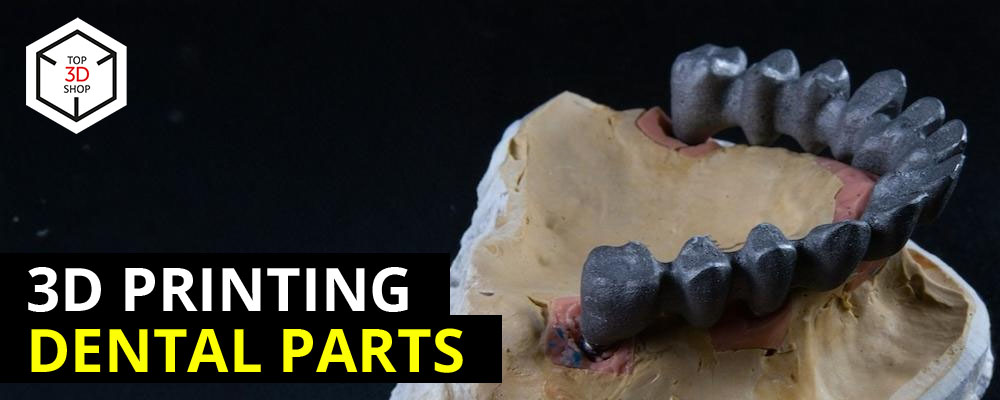
Izmir, Turkey is a major hub for dental outsourcing, serving clients across Europe and the Middle East. Modern dental labs here rely heavily on additive manufacturing, especially selective laser melting (SLM) 3D printers. In the past two years, labs in Izmir have acquired over 80 HBD SLM printers, with projections exceeding 100 units soon.
About Dentek
Founded in 1983, Dentek is one of Europe’s largest dental labs, with 300+ specialists working in a 3,000 m² facility. The lab serves about 60,000 dentists across 12 countries, including Germany, France, and the Netherlands.
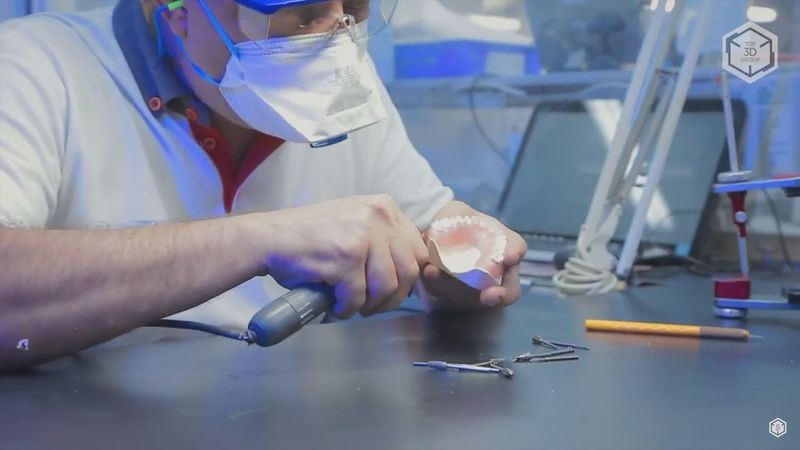
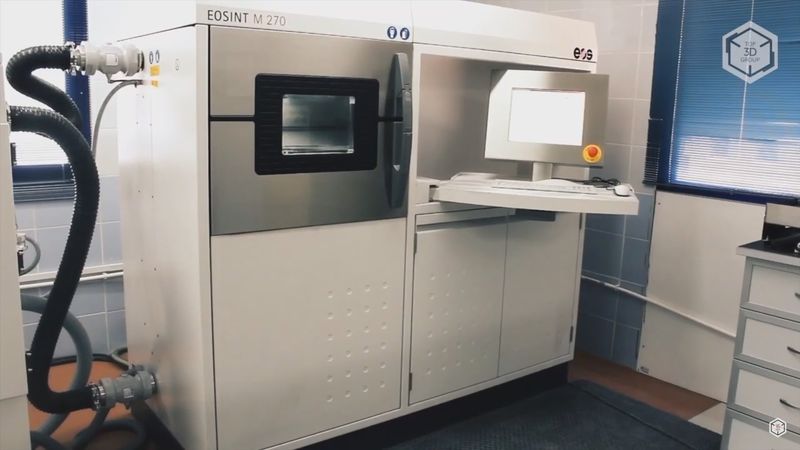
Dentek adopted SLM technology in 2007, starting with two EOS machines used to produce crowns and bridges.
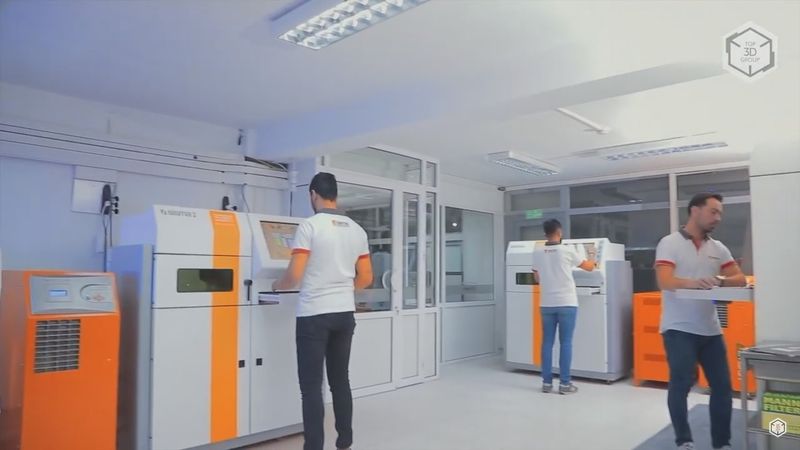
As Dentek expanded production, they needed metal 3D printers with a larger build volume at a more reasonable price. At the time, EOS didn’t offer systems meeting those requirements, so the company turned to Sisma. Their machines not only fit the size and budget criteria but also came equipped with dual lasers, which significantly accelerated the printing of dental structures. Today, Dentek operates four Sisma units.
However, with growing production demands and unsatisfactory support from the local Sisma distributor, Dentek sought a more reliable and scalable solution.
Switching to HBD for Cost-Effective Production
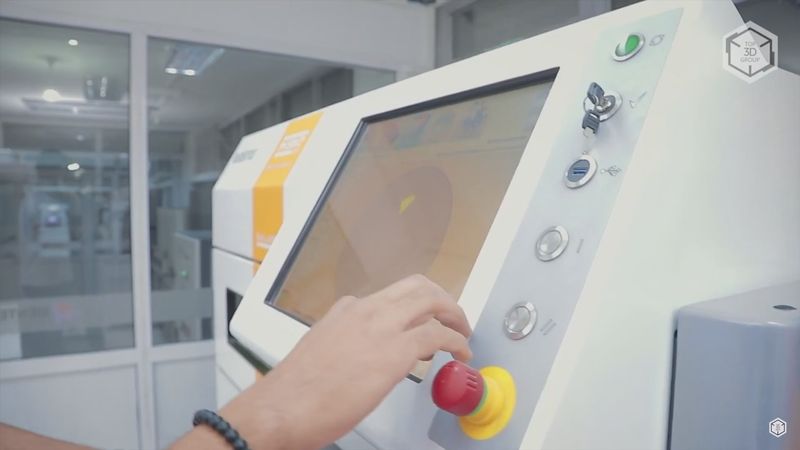
Denture frameworks are labor-intensive and costly to produce. To cut costs, Dentek evaluated other metal 3D printing options and selected HBD’s SLM systems for their affordability and performance.
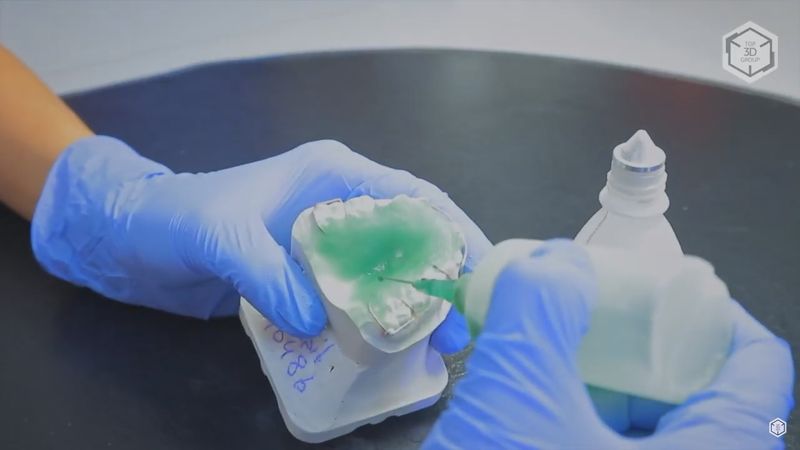
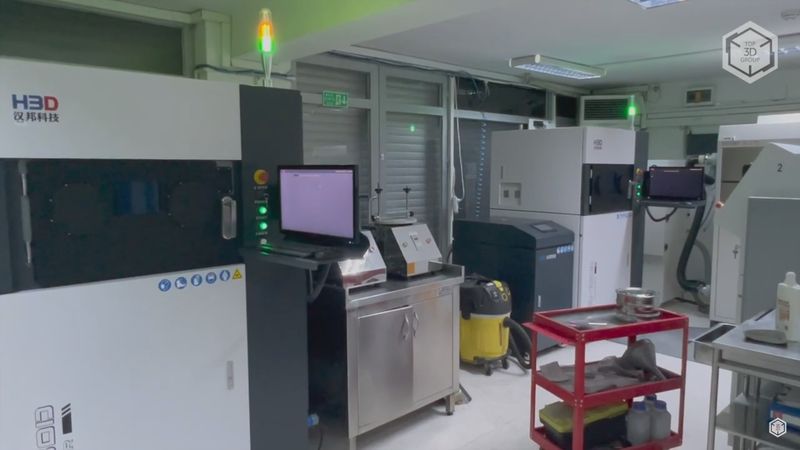
After just a few weeks with the first HBD printer, Dentek ordered three more, then added two additional units.
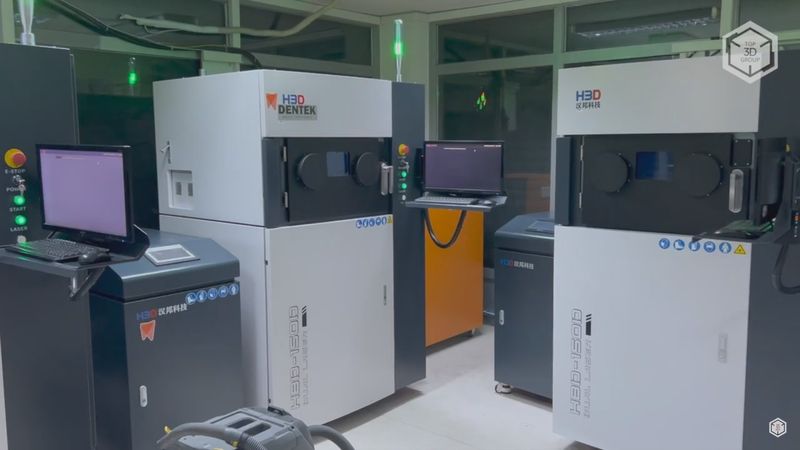
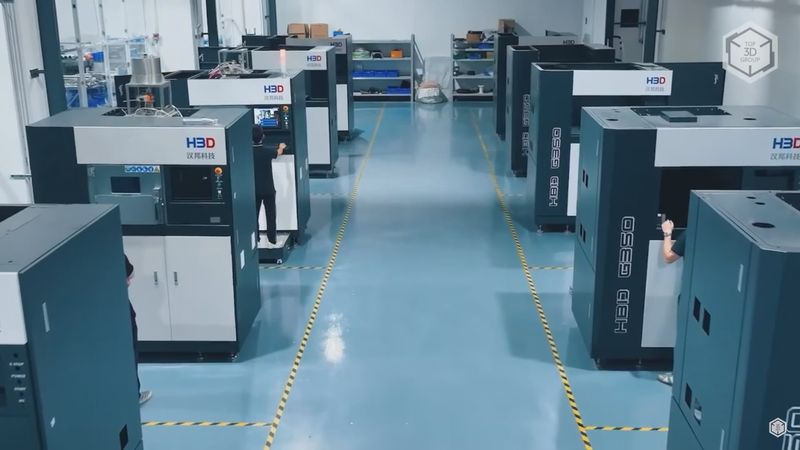
HBD, a Chinese company active in metal 3D printing since 2007, offers a range of SLM systems. Their lineup includes machines from the compact HBD-80 (120×80 mm build chamber) to the large-format HBD-1500 (460×460×1500 mm).
HBD-150D in Dental Applications
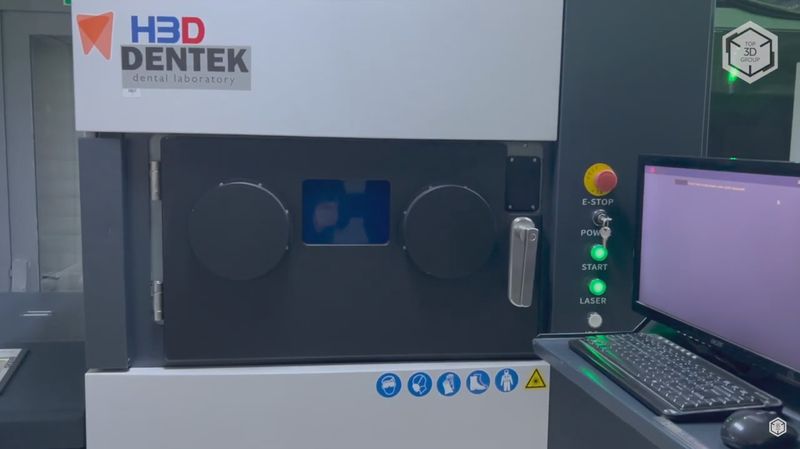
The HBD-150D, widely used in medical 3D printing, especially dentistry, features:
-
Cylindrical build volume: 150 × 100 mm
-
One or two 200W lasers
-
Laser spot size: 40–80 microns
-
Layer thickness: 10–40 microns
-
Compatible materials: titanium, aluminum, CoCr, nickel alloys, stainless/tool steels
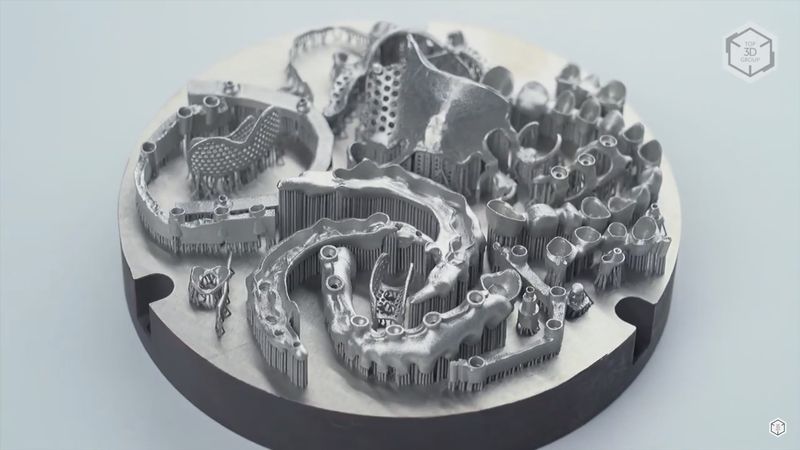
These specifications make it well-suited for dentures, crowns, and jaw implants.
Why Dentek Chose HBD
According to Berkan Öztaş, Deputy GM of Sales at Dentek, HBD printers stood out for:
-
Easy integration and setup
-
Reliable, stable operation
-
High-quality prints
-
Open powder compatibility
-
40% faster print speeds than Sisma machines
-
Responsive and qualified support from HBD
Conclusion
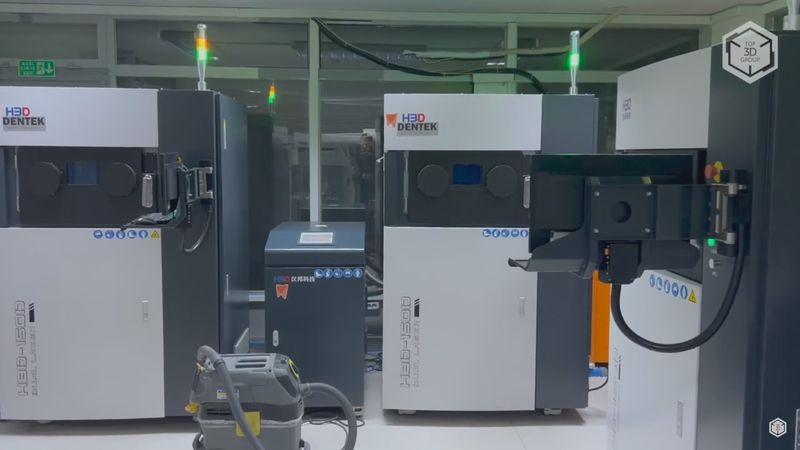
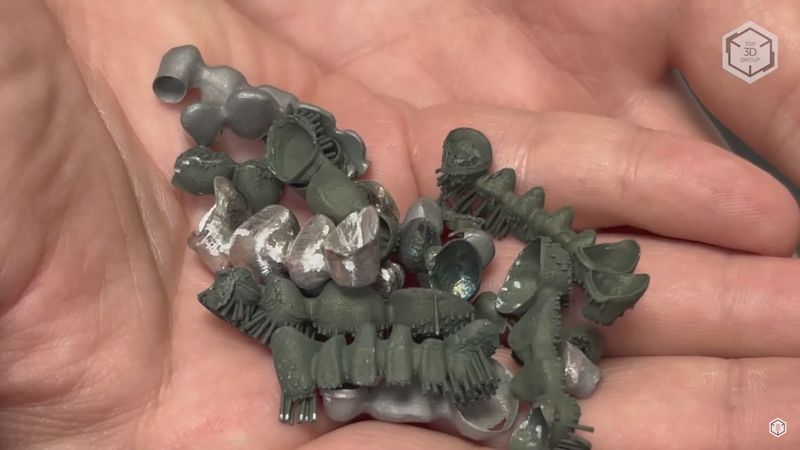
HBD SLM 3D printers help Dentek streamline dental production by eliminating waxing, embedding, and casting. These systems cut hidden costs and reduce turnaround time, making them ideal for high-volume dental labs.
Beyond dentistry, HBD’s printers are suitable for automotive, R&D, jewelry, prototyping, and other applications requiring precision metal parts.

Write a comment